
I like to think about the people who occupied a place before I did. Sometimes, it is easy to forget that we aren’t the first ones here.
The National Hotel
I work at the Newseum, the museum of the news and the First Amendment, which stands at Pennsylvania Avenue and Sixth Street NW in Washington on the former site of the National Hotel. That means I spend my days in a place where Presidents Andrew Jackson (1767-1845), James K. Polk (1795-1849) and Abraham Lincoln (1809-1865) once stayed.
Statesman Henry Clay (1777-1852) lived at the hotel while he was in Washington and died there in 1852. The hotel also became entwined with Lincoln’s assassination. Actor John Wilkes Booth (1838-1865) stayed there, including on the night he assassinated Lincoln, and a 1930 “Washington Post” retrospective reported that Booth and his fellow conspirators had planned the crime within its walls.1

John F. “Jack” and Barbara Hasey
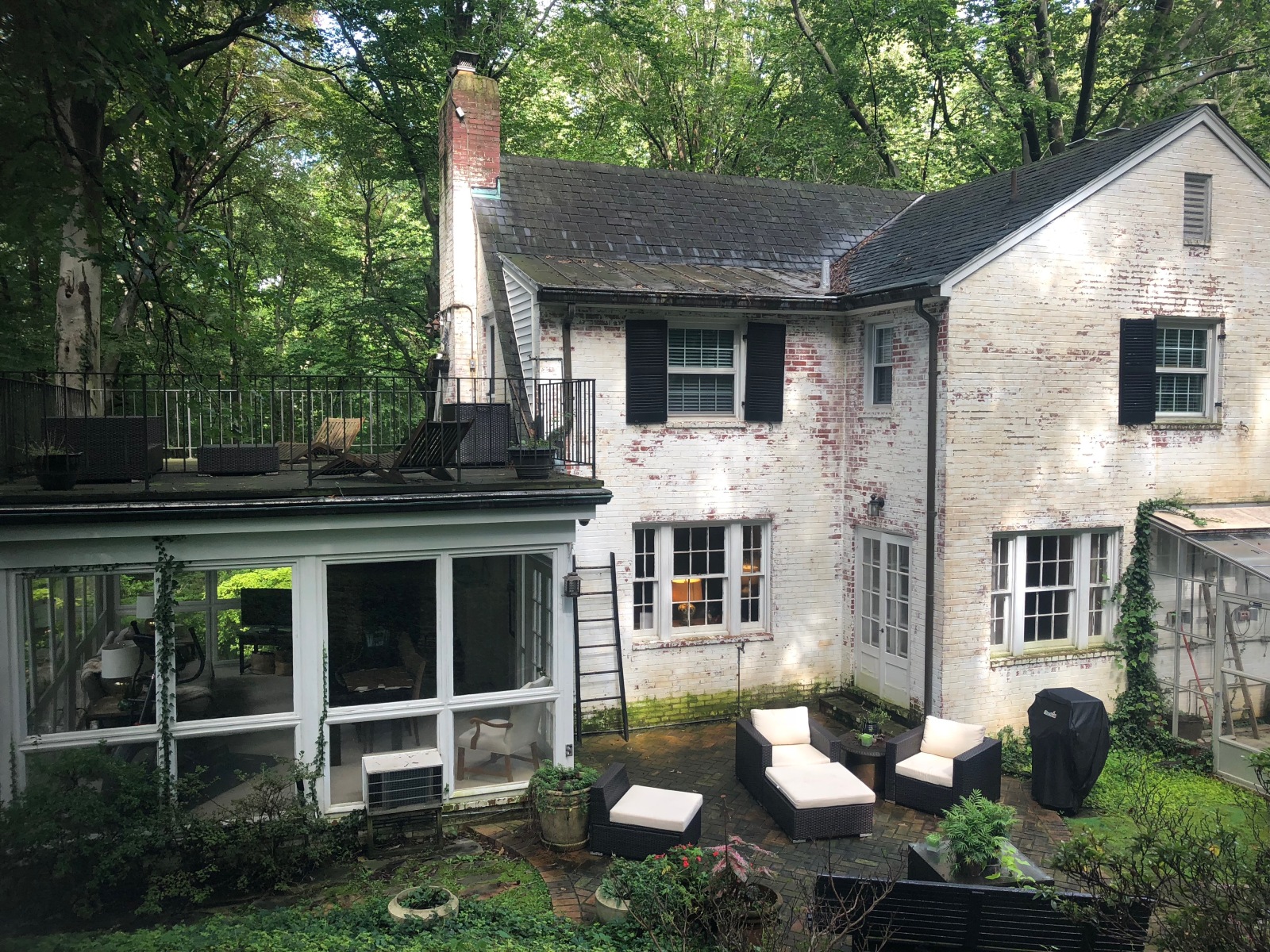
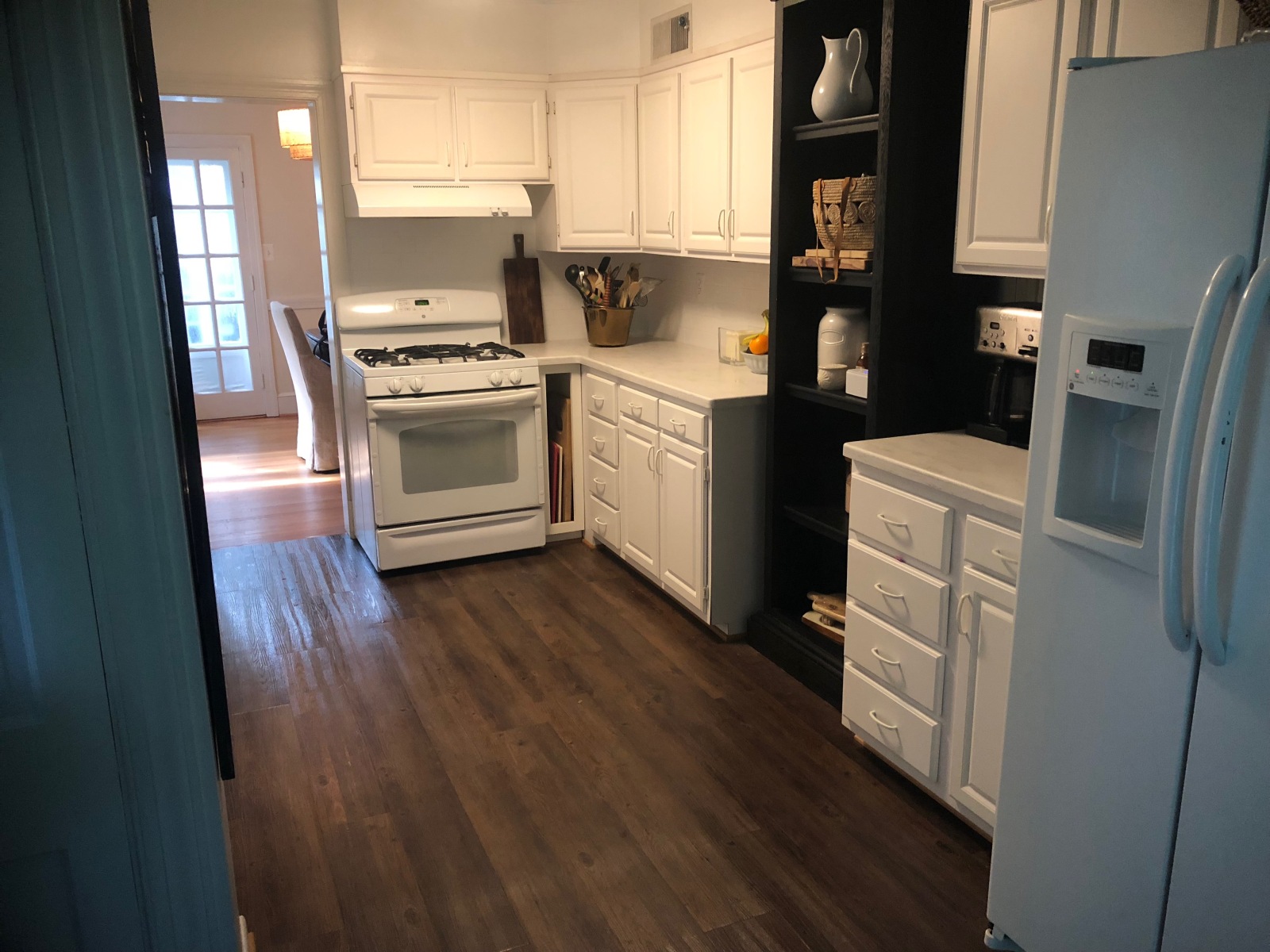
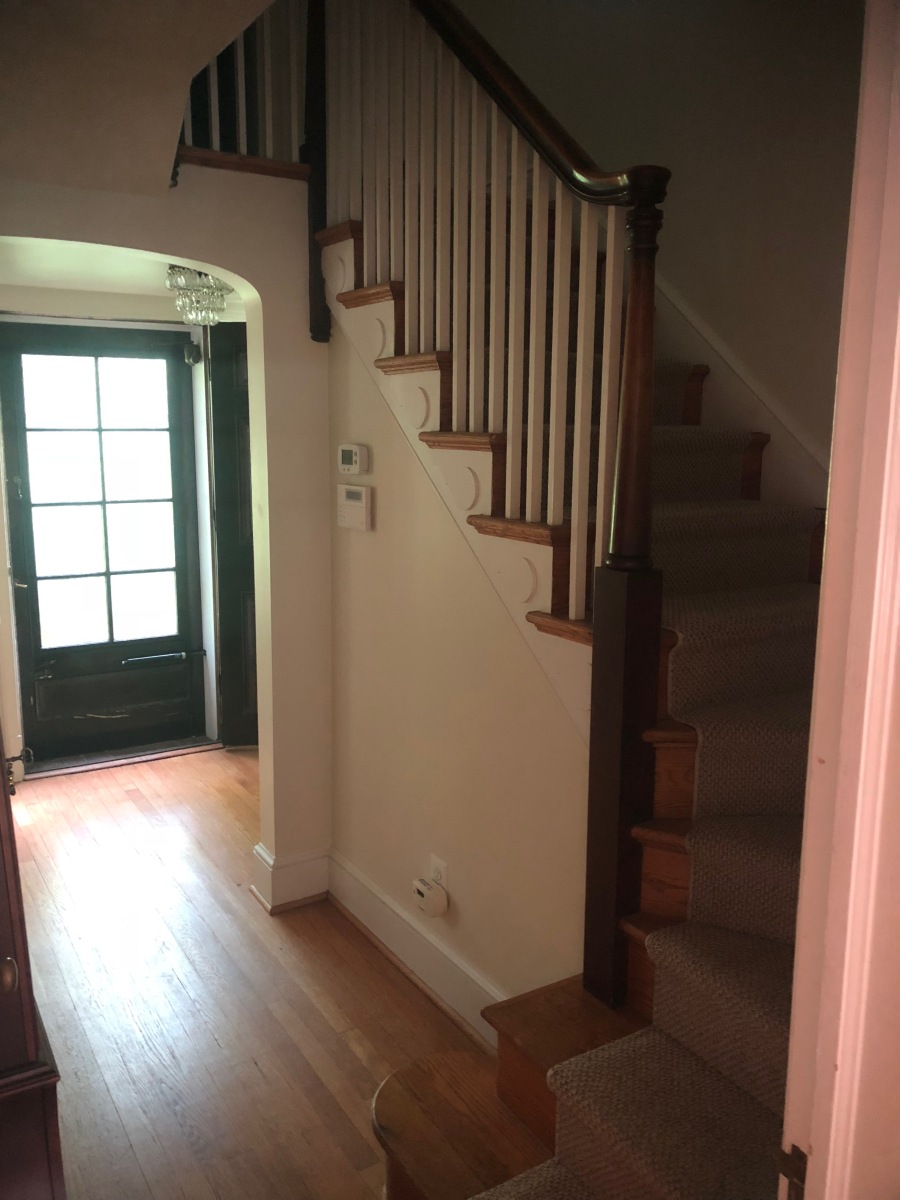
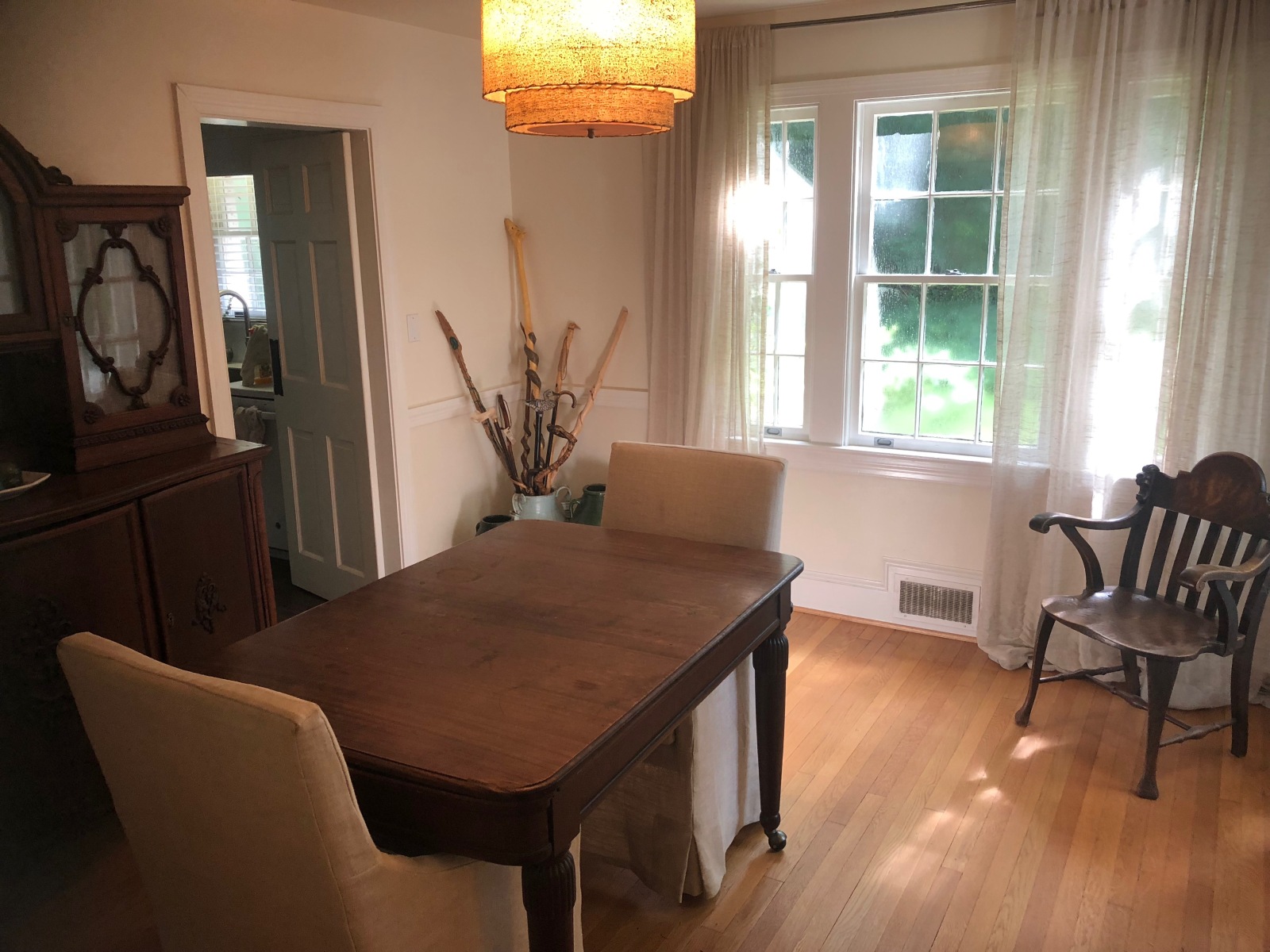
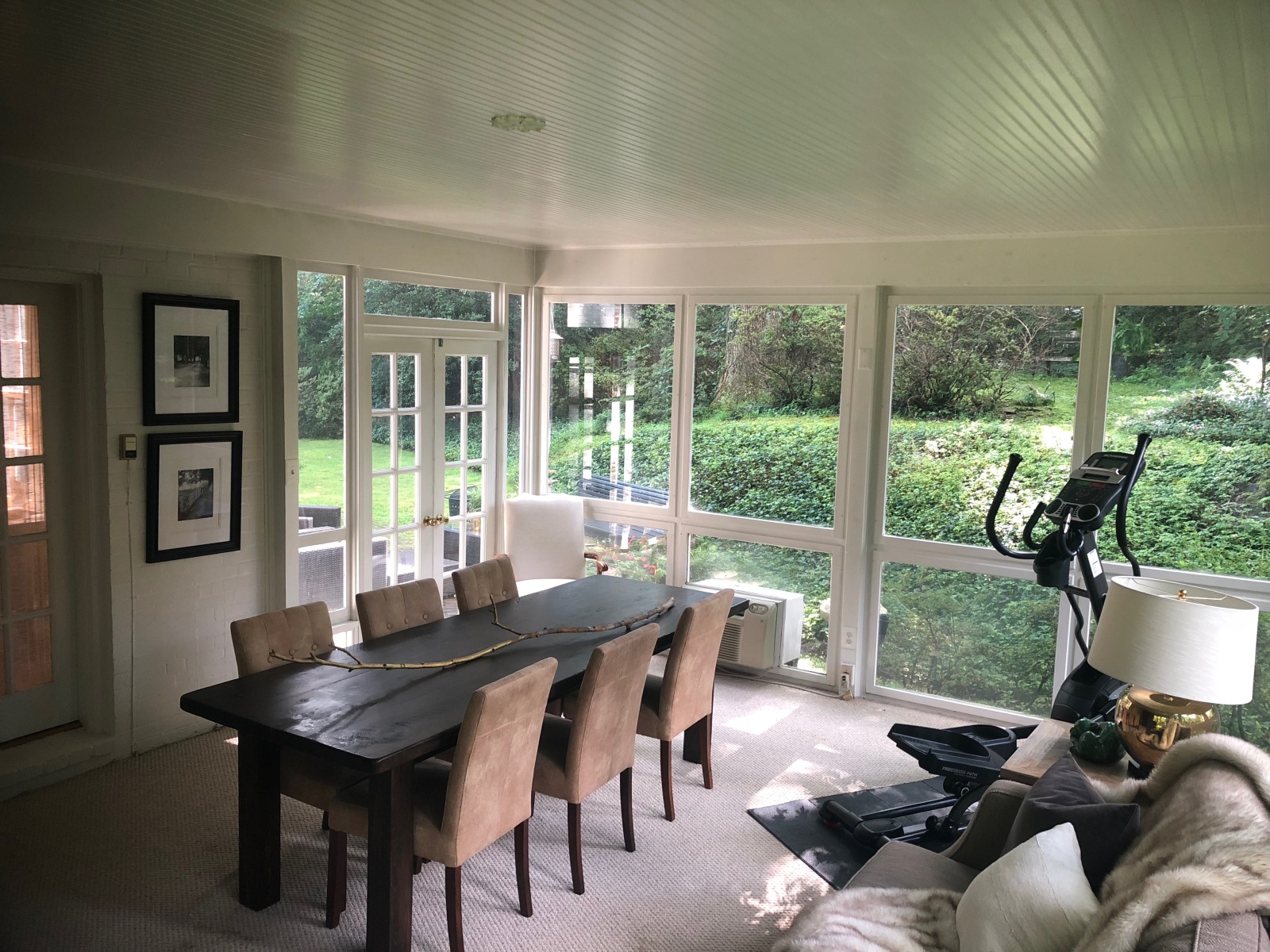
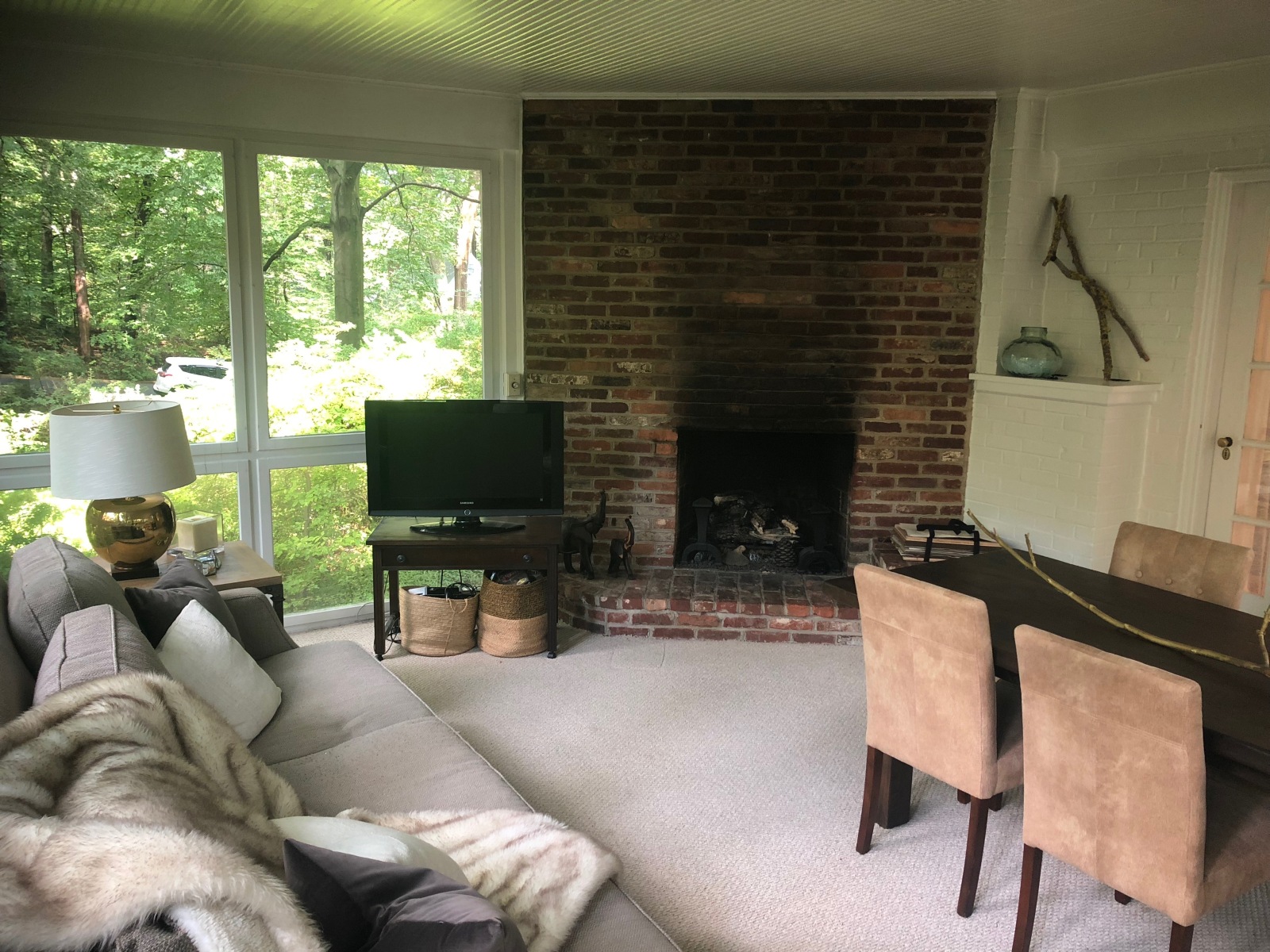
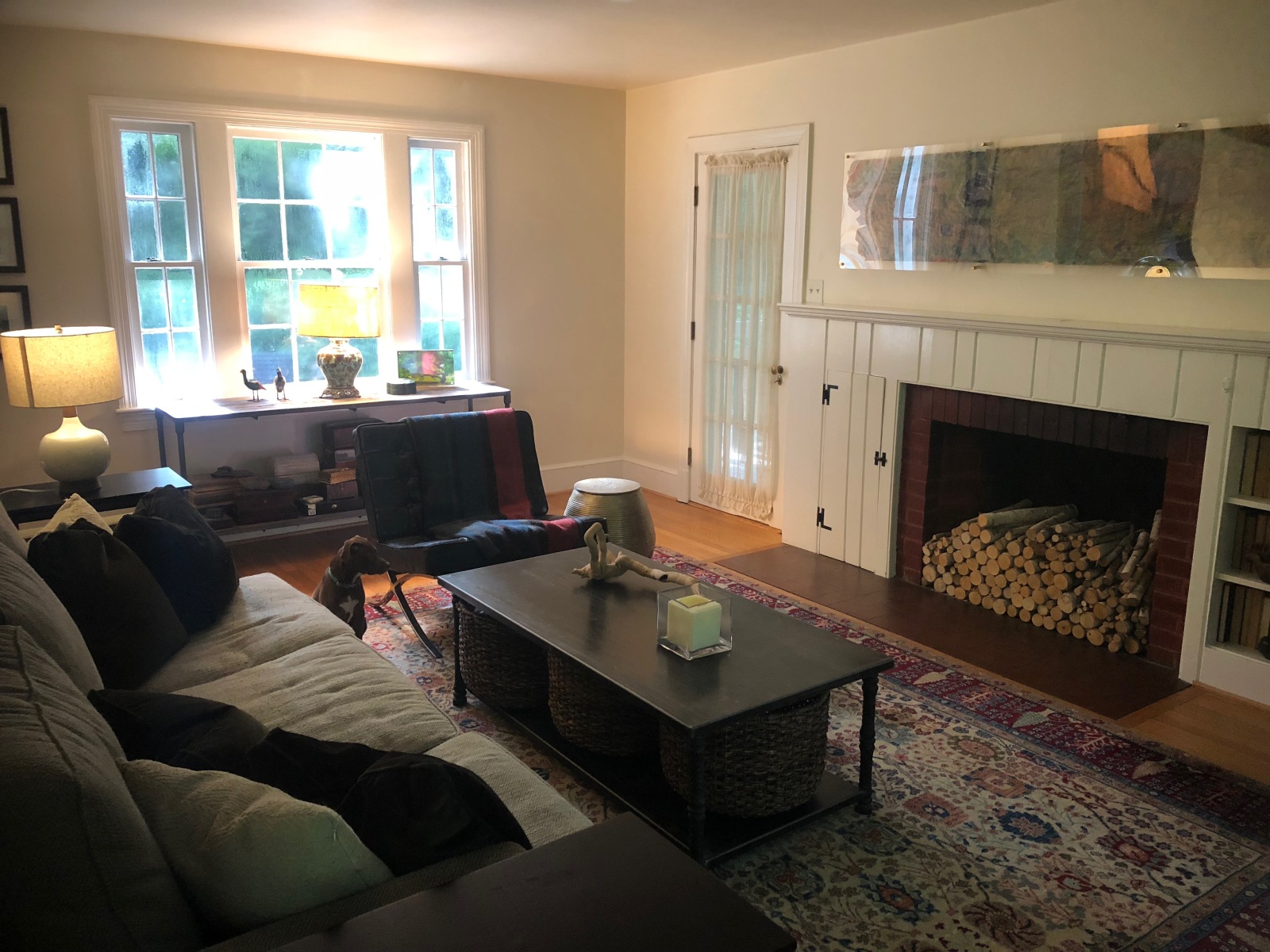
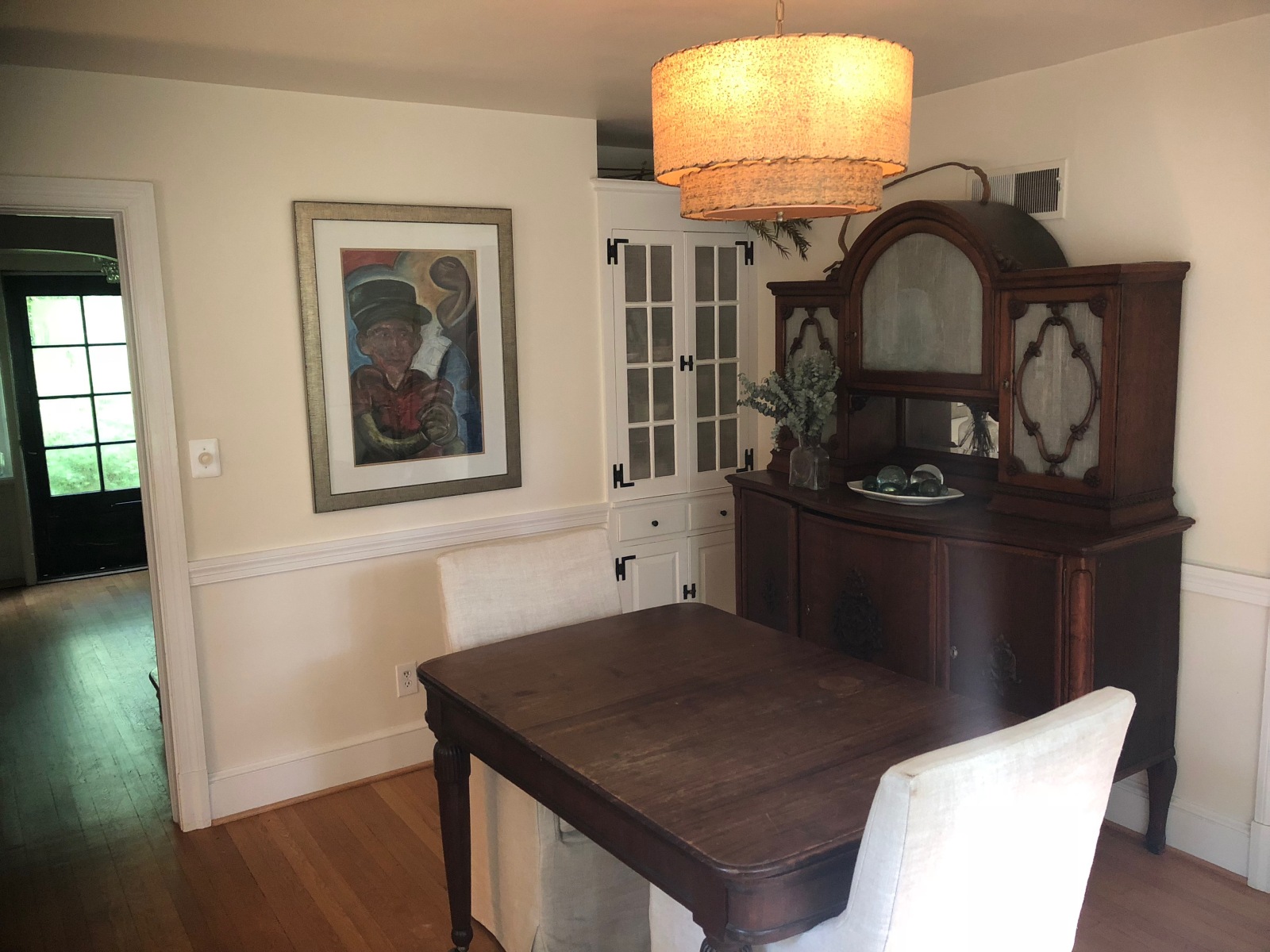
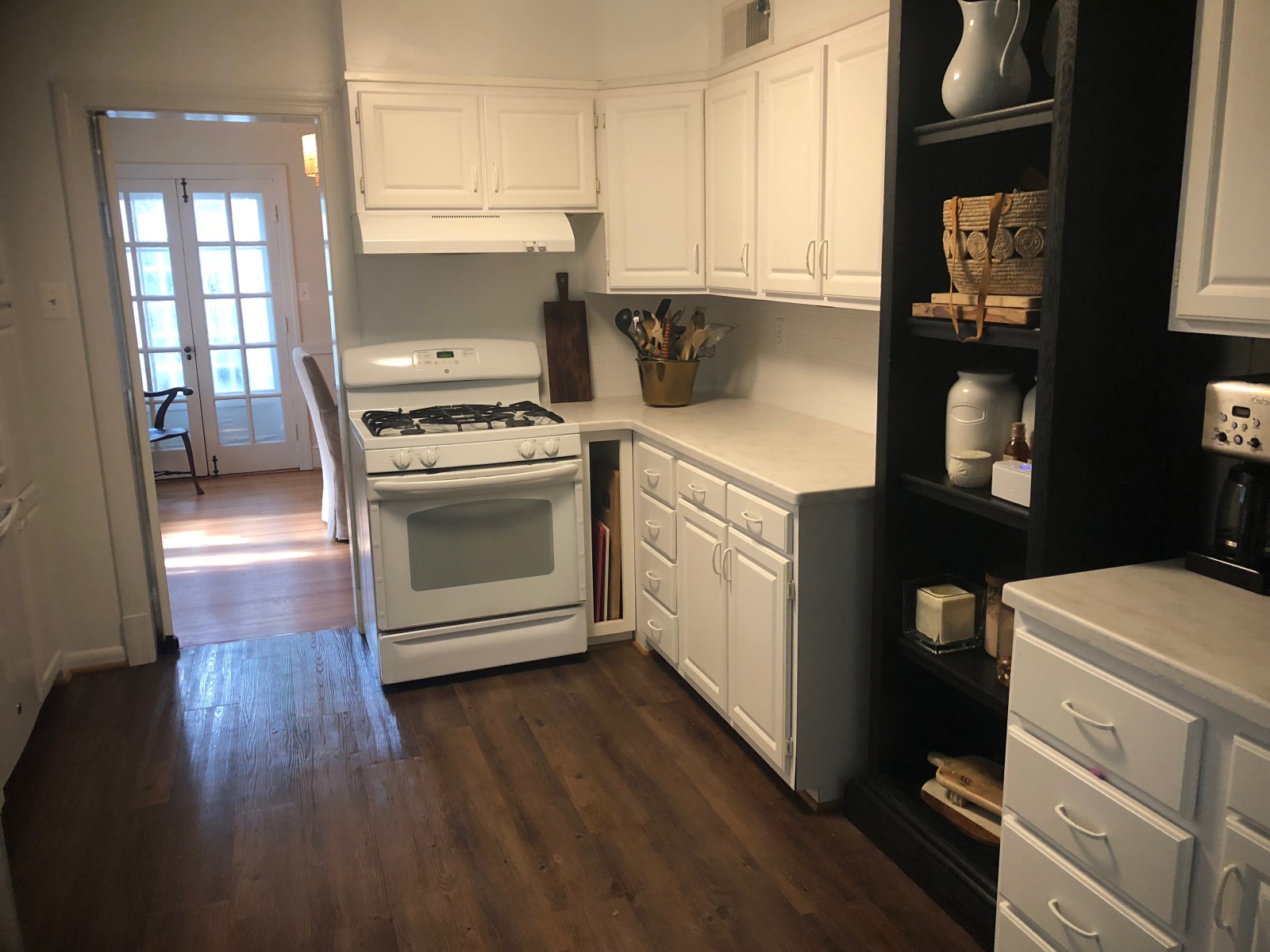
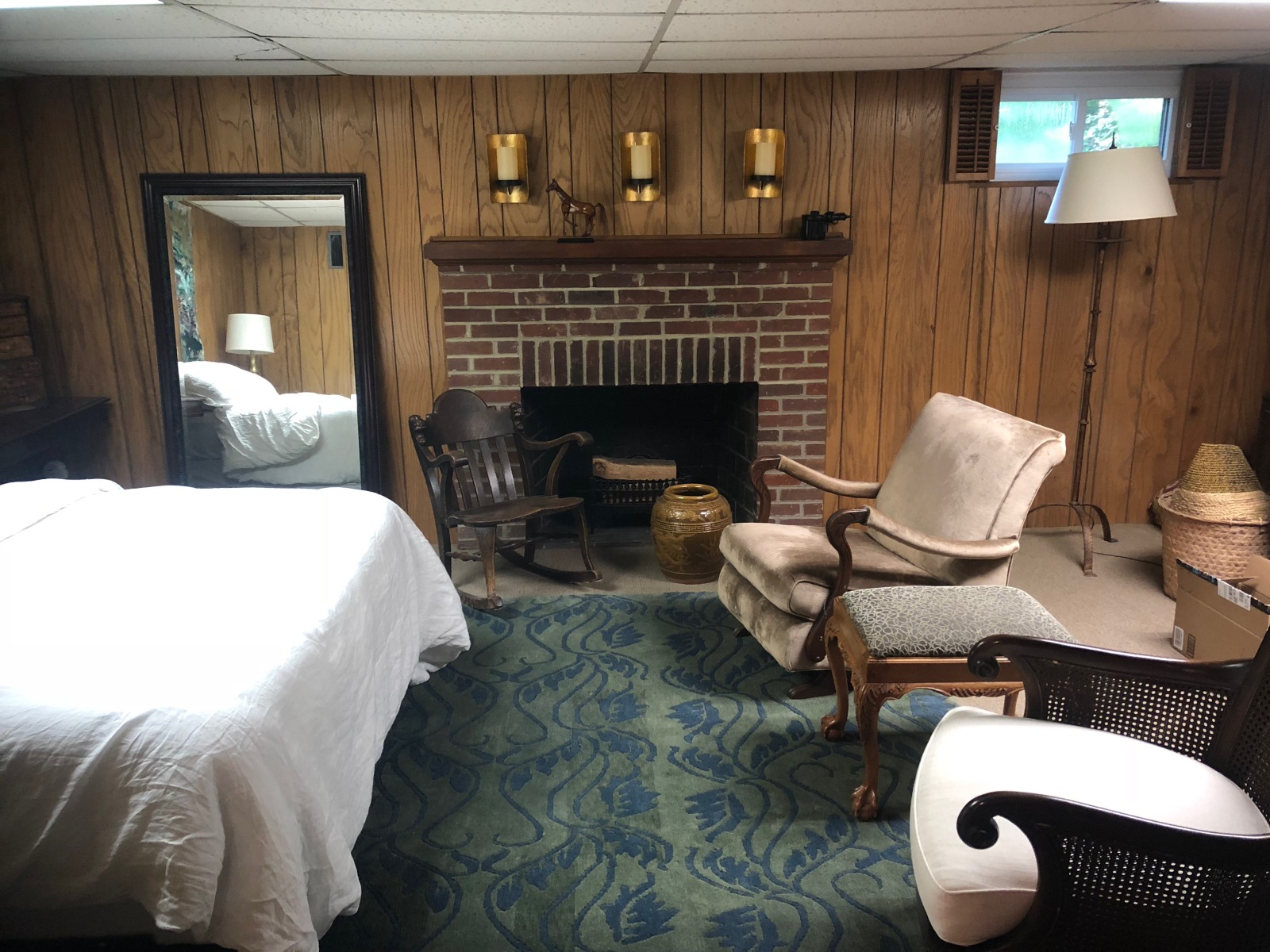
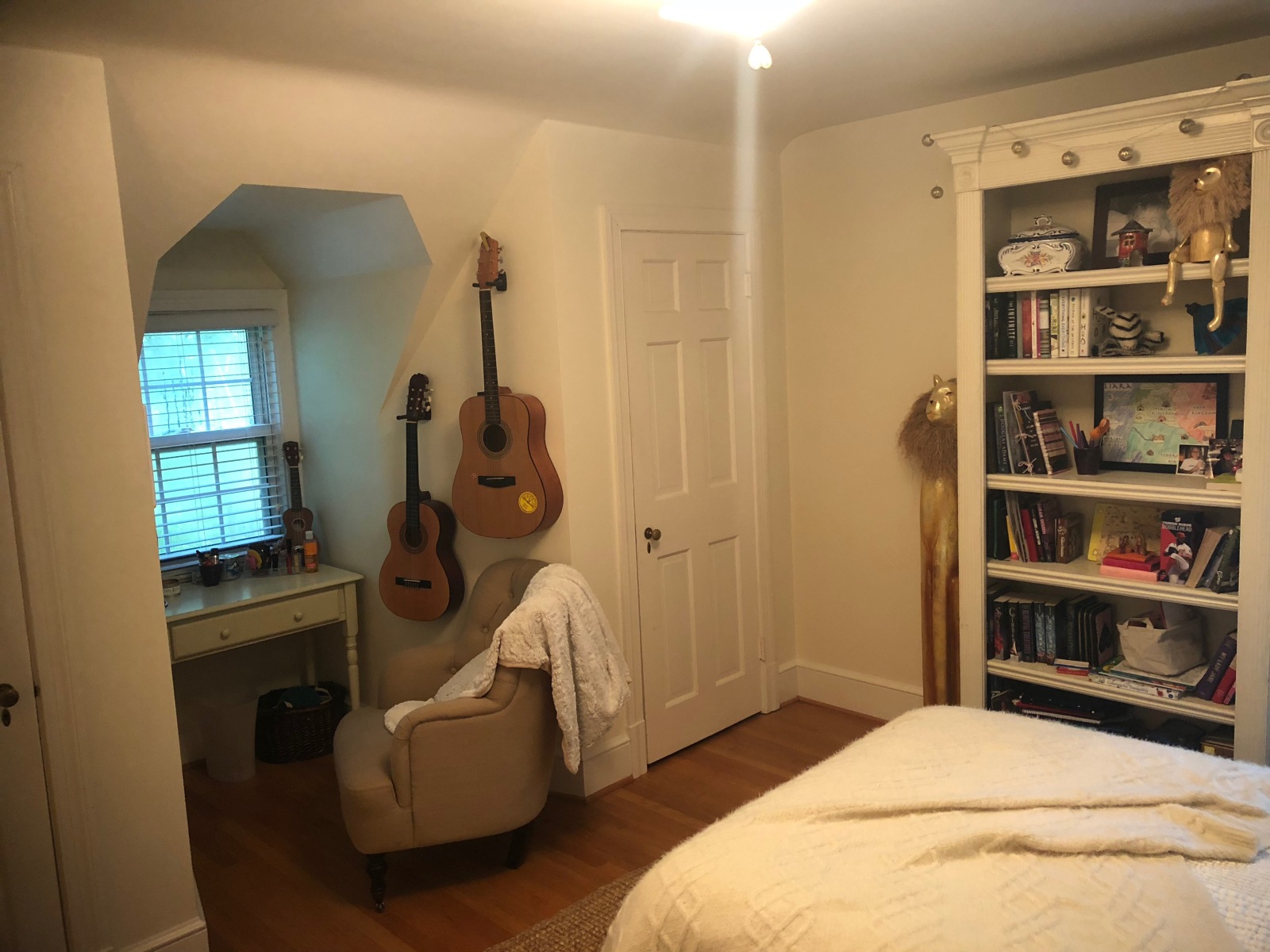
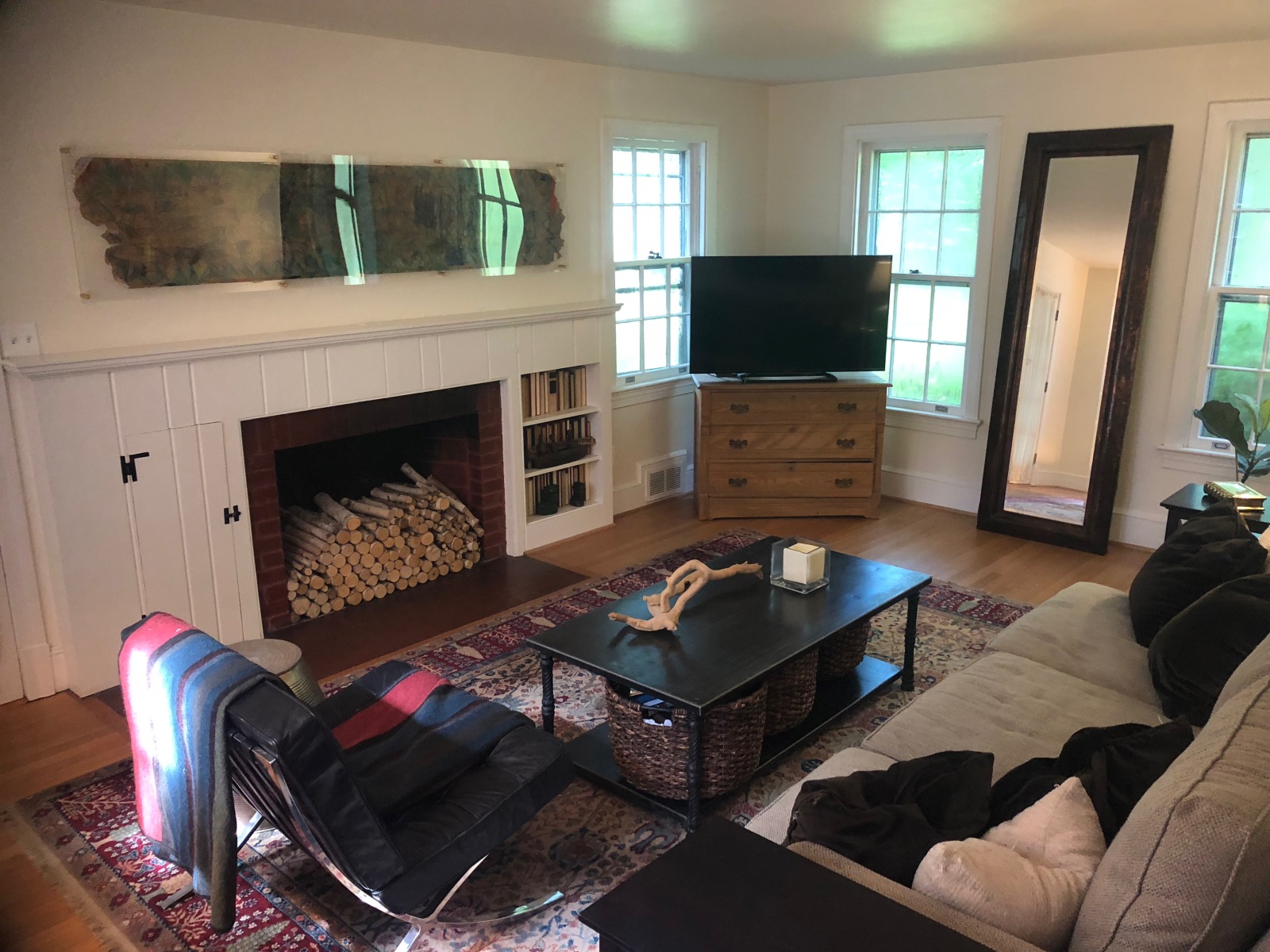
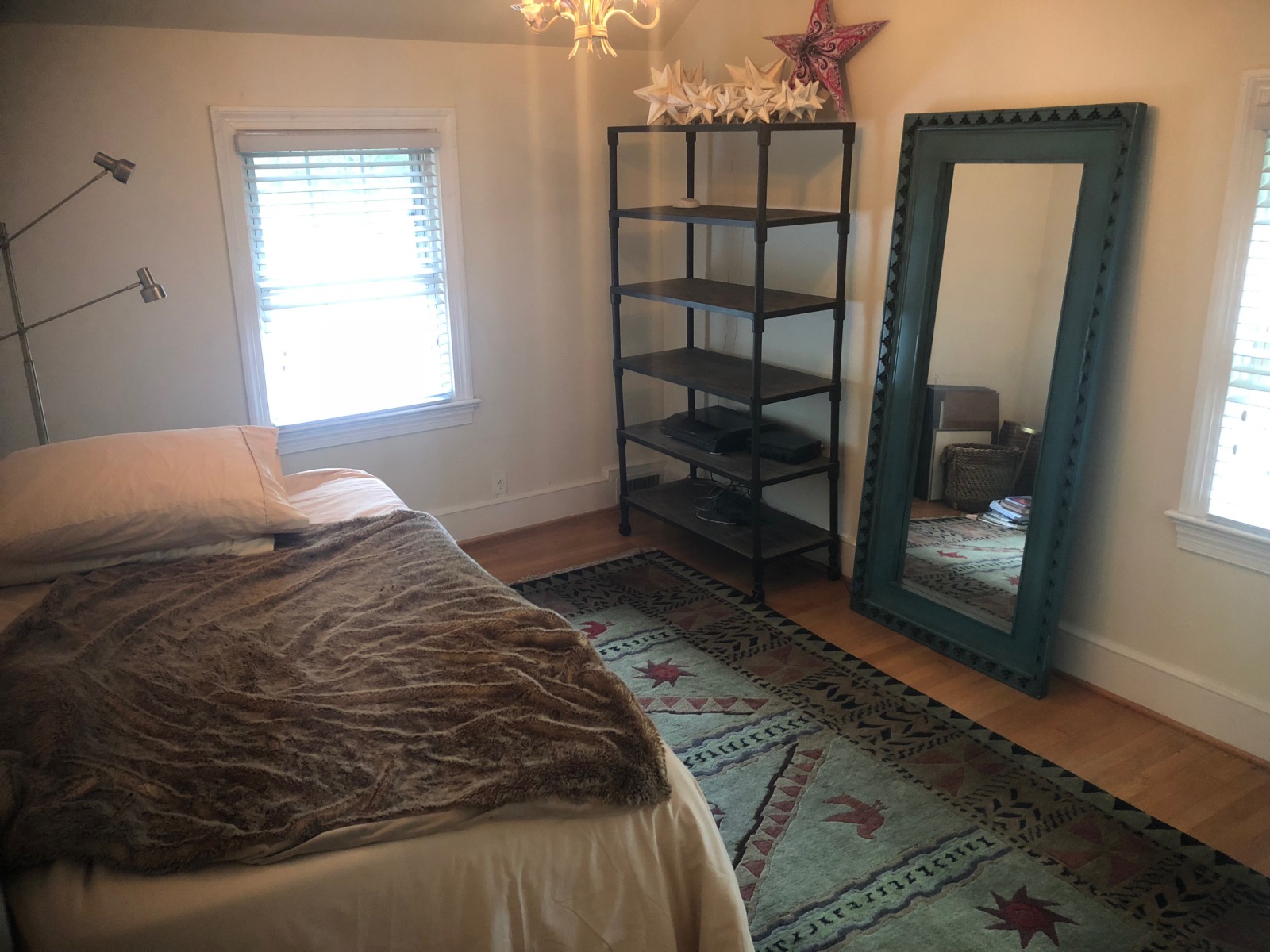
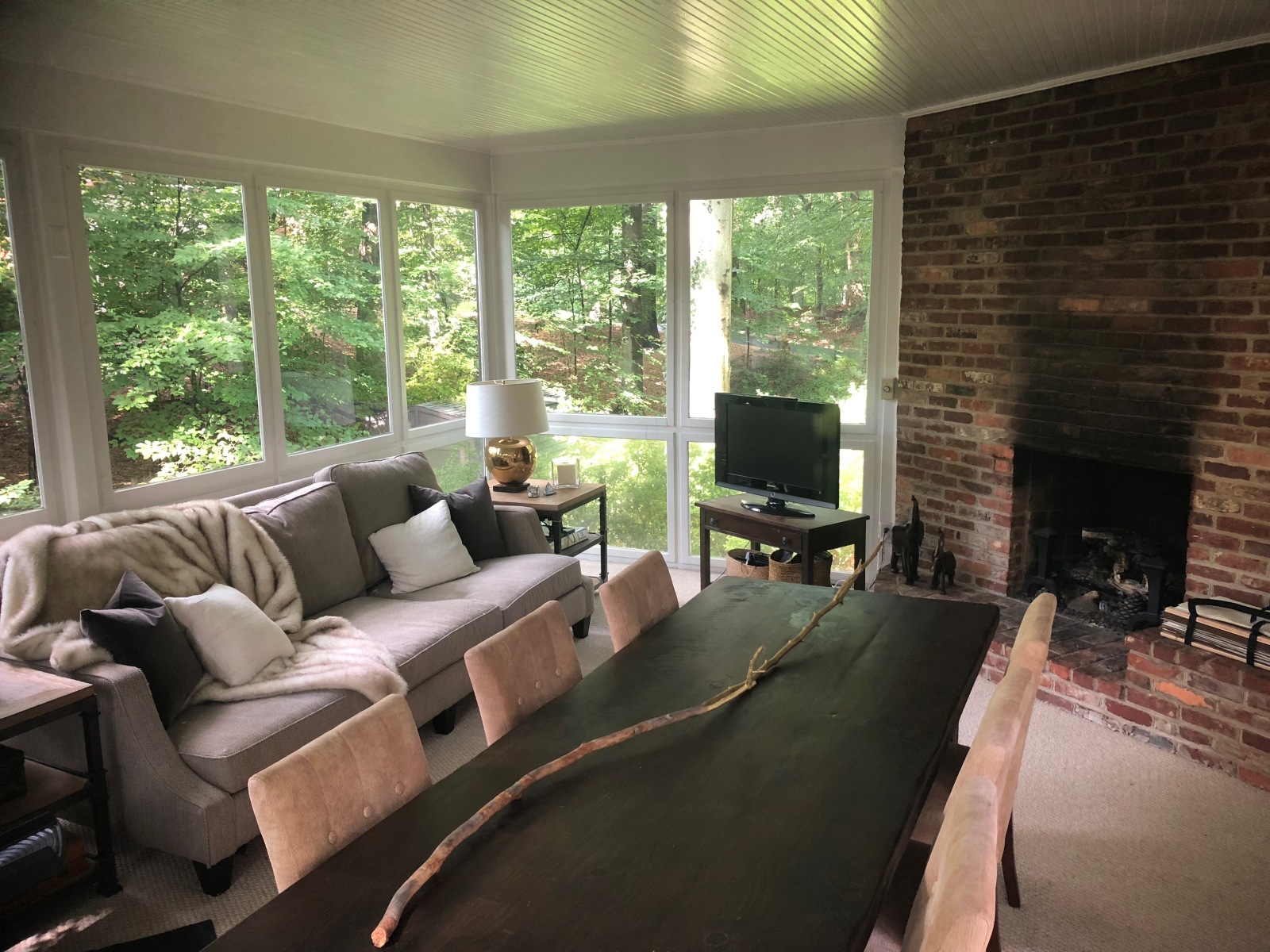
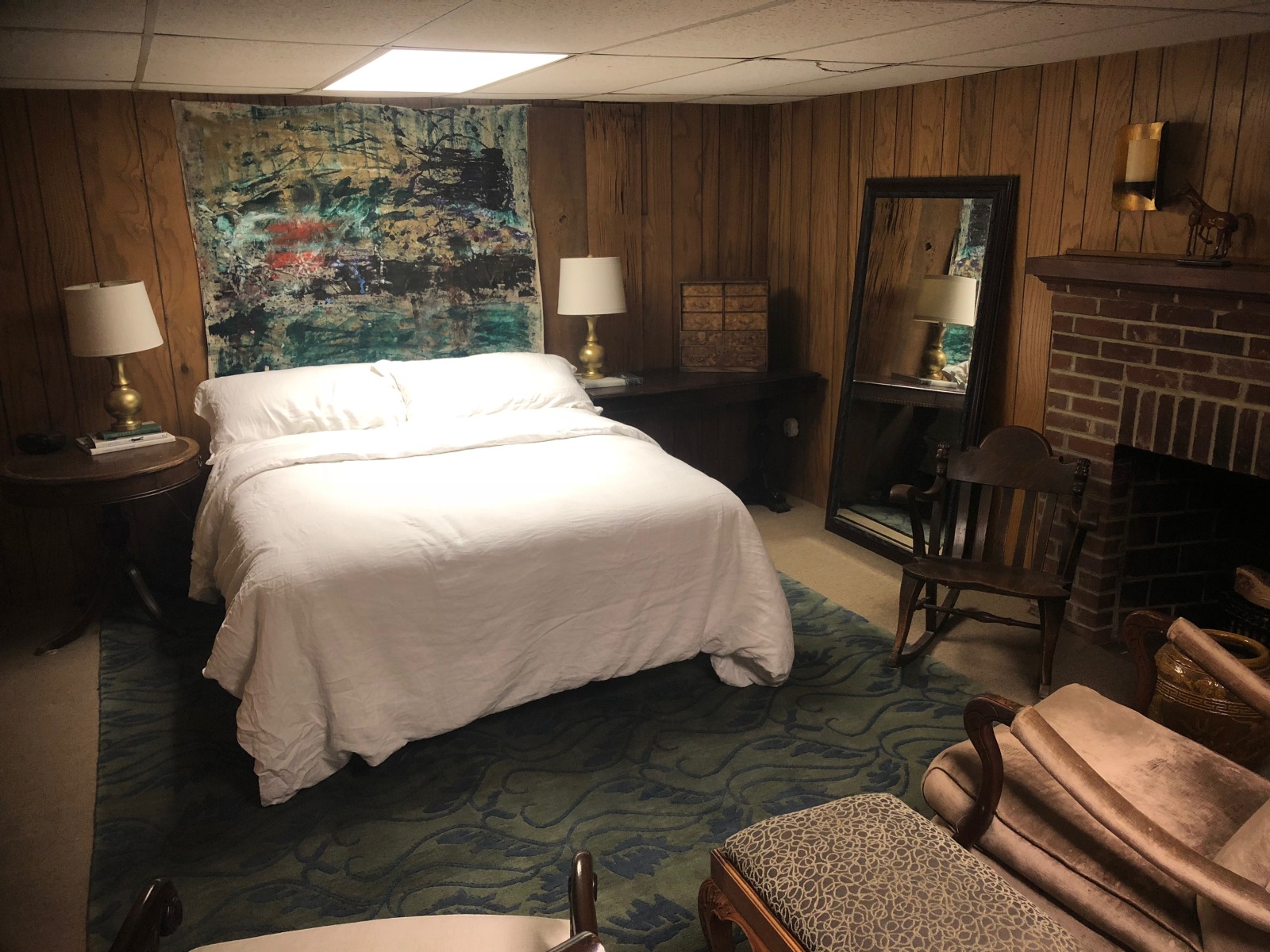
As fascinating as that history is, I have an even more personal connection to the past. My family and I live in the Arlington, Virginia home of the late John F. “Jack” Hasey (1916-2005) and Barbara Trood Hasey (1930-2013).
John Hasey lived a fascinating life. He worked as a Cartier salesman, drove an ambulance during the Winter War—fought between the Soviet Union and Finland—served as an officer with the Free French, became a decorated World War II hero, worked as a CIA operations officer and wrote a bestselling memoir.
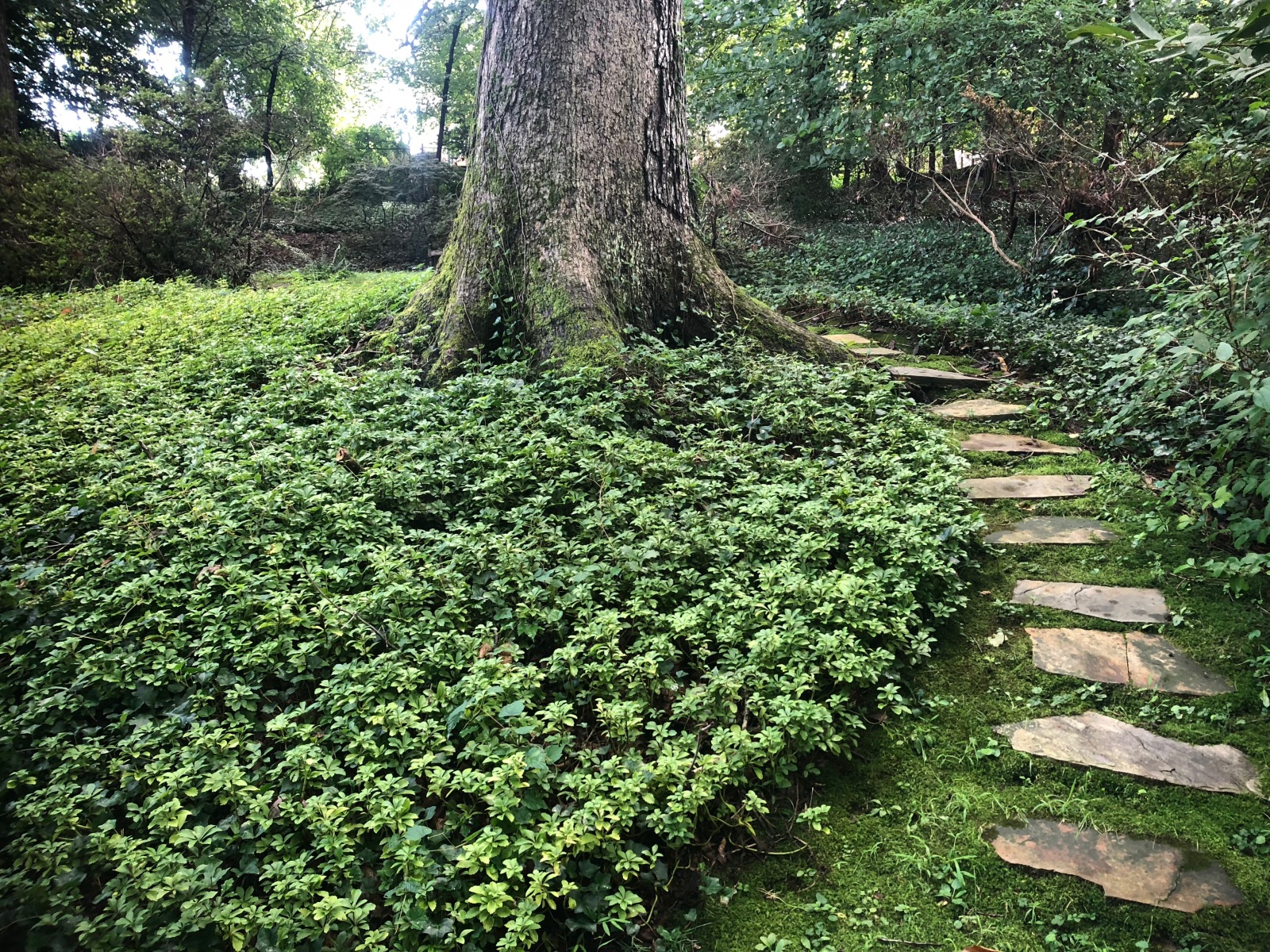
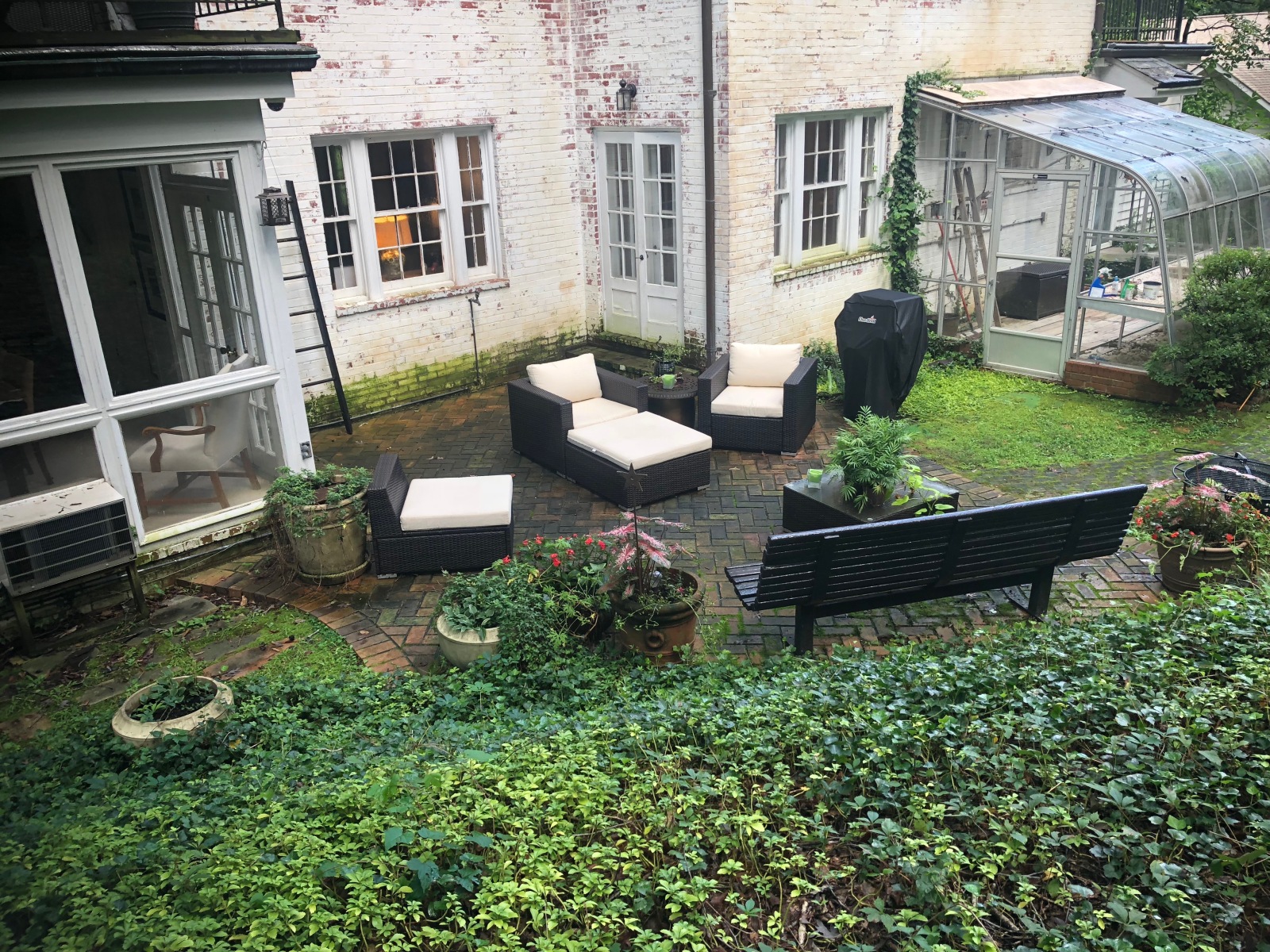
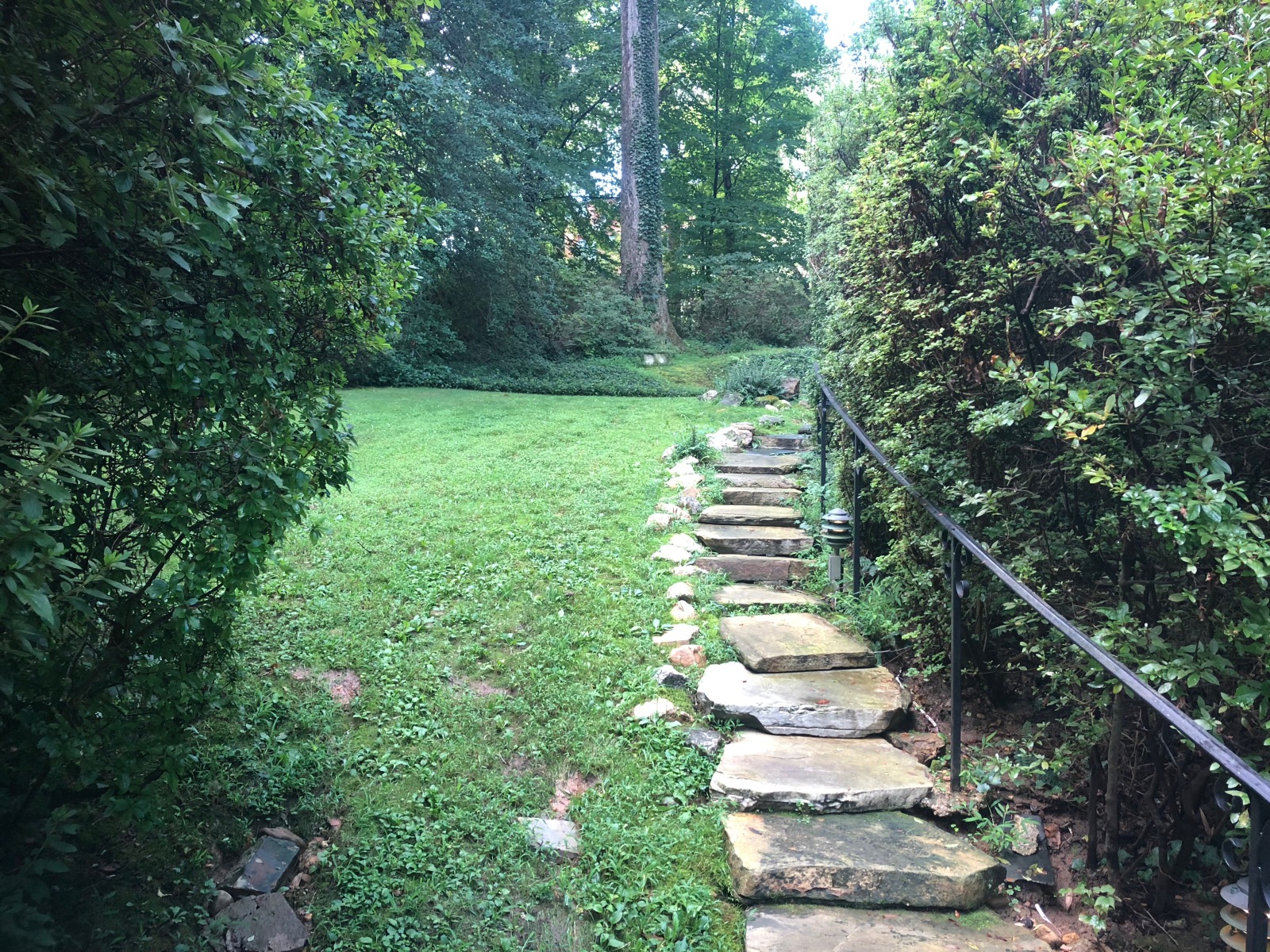
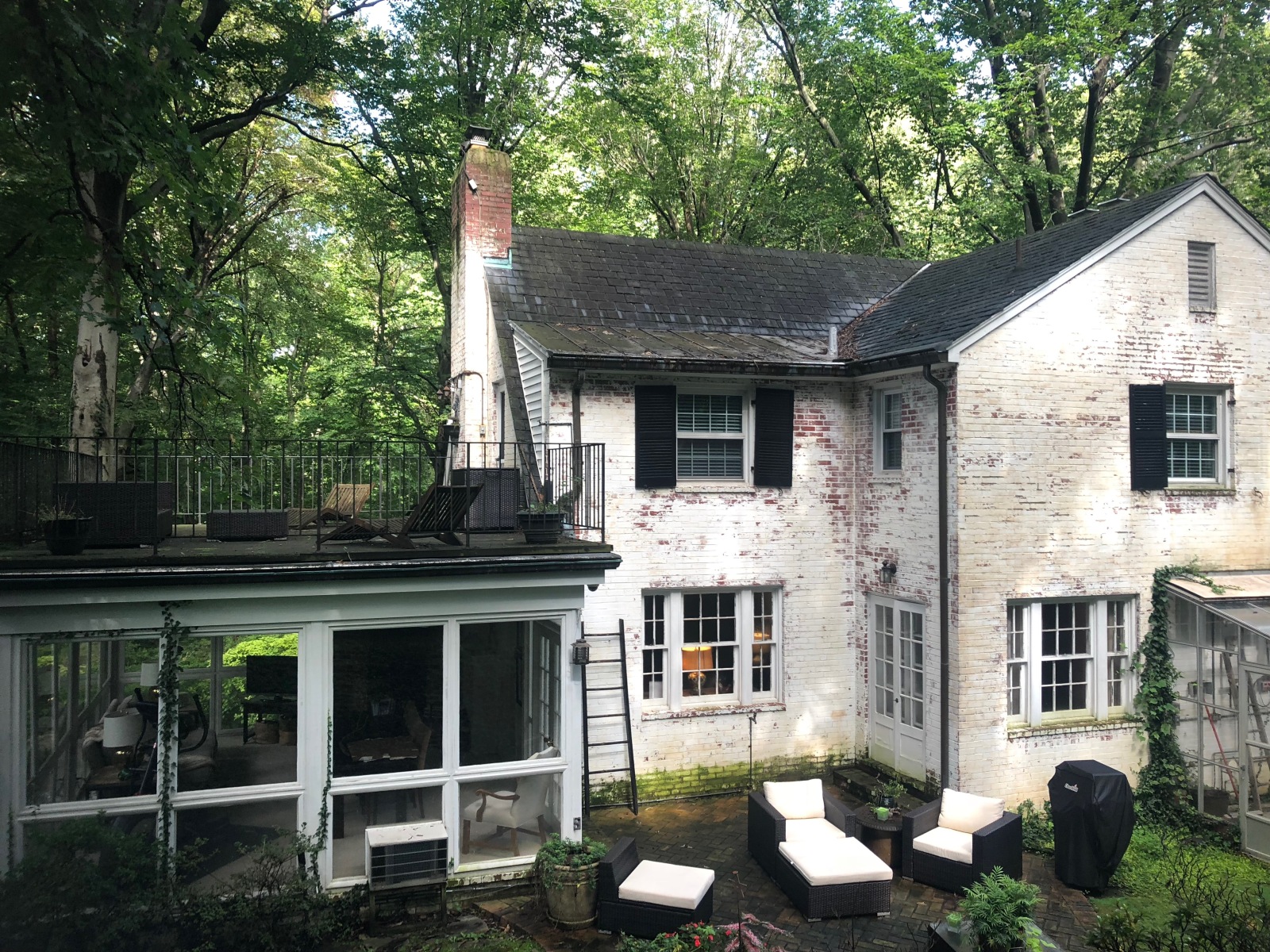
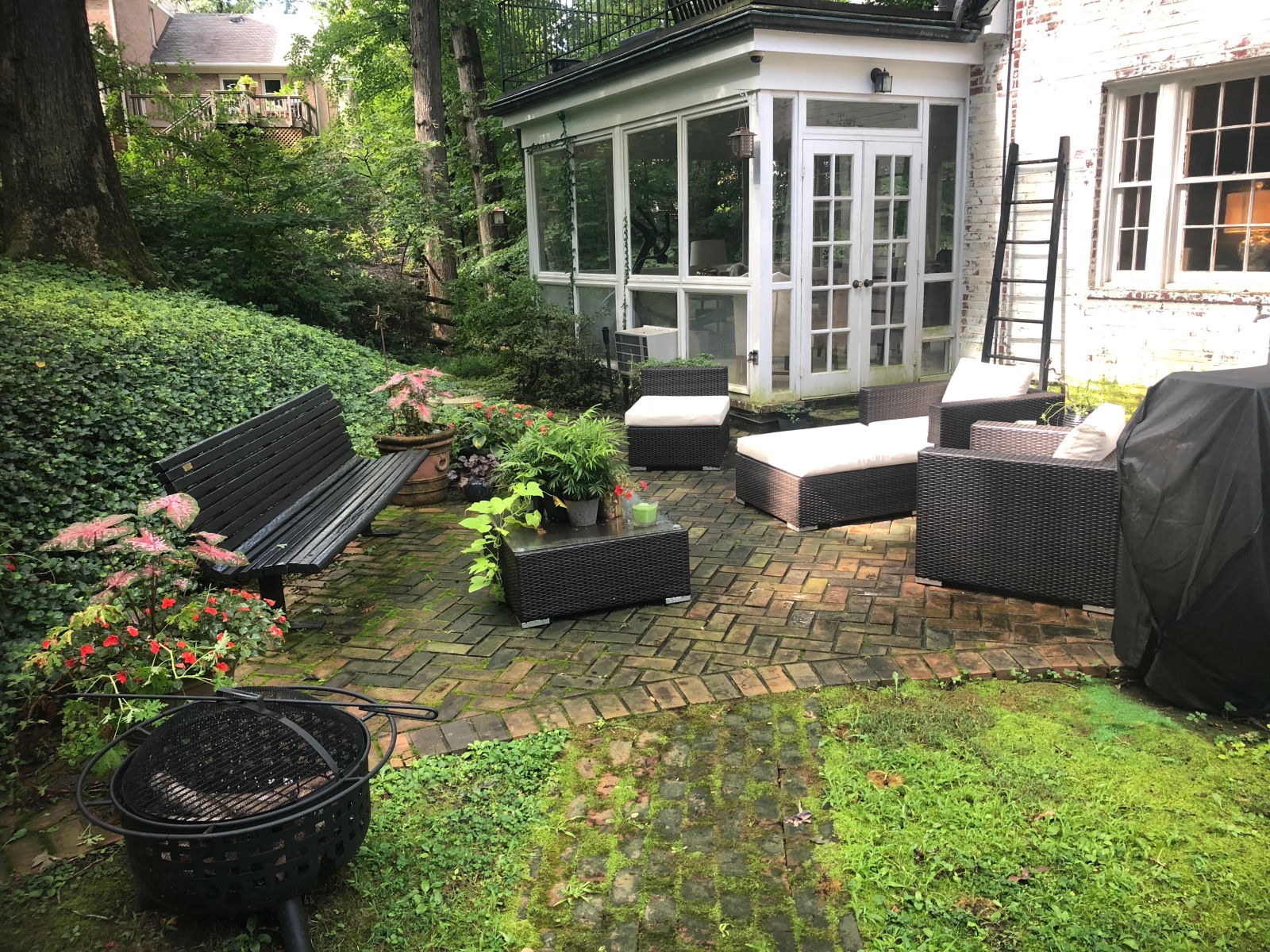
He also possessed a remarkable talent for gardening. More than two decades after his death, the results of his work remain visible in our backyard.

Our backyard where we get to enjoy John Hasey’s green thumb
Born in Brockton, Massachusetts, Hasey attended Columbia University before sailing for France in 1937. He briefly considered continuing his education at the Sorbonne but decided instead to find a job and remain in Paris.
Hasey approached the American Chamber of Commerce and the U.S. Embassy in search of work. Someone at the chamber told him Cartier wanted an American salesman who could speak English. Hasey presented himself at the company’s Paris store and persuaded its managers to hire him. He eventually sold expensive jewelry to wealthy clients in Paris, Cannes, Deauville and Monte Carlo.2
Among his customers were Edward VIII, Duke of Windsor (1894-1972), and Wallis Simpson, Duchess of Windsor (1896-1986), whose relationship and marriage had created an international sensation.
Yankee Fighter
In his 1942 memoir, “Yankee Fighter: The Story of an American in the Free French Foreign Legion,” Hasey recalled examining jewelry Wallis sent to Cartier for cleaning. Several pieces carried the inscription “Wallis from David,” using the name by which Edward’s family and close friends knew him. Inside a sapphire-and-diamond ring, Hasey found another message: “W — really forever — D.”3

Cover of John F. Hasey’s 1942 memoir, “Yankee Fighter”
Hasey’s life changed dramatically as Europe moved toward war. He joined an American ambulance organization in Paris in August 1939. After the Soviet Union invaded Finland on Nov. 30, 1939, beginning what became known as the Winter War, Hasey and other Americans organized an ambulance mission to support the Finns.
Much of the planning took place at Harry’s New York Bar in Paris. Hasey and his companions raised enough money to purchase two ambulances and traveled to Finland. During an air raid near the front in February 1940, an explosion shattered his right forearm.4

John F. Hasey after his first wartime injury
Free French Forces
After recovering, Hasey returned to France in June 1940 as the German military completed its conquest of the country. He eventually made his way to Britain and joined Gen. Charles de Gaulle’s (1890-1970) Free French Forces on Aug. 24, 1940.

Hasey first served in a medical unit but later requested a transfer to the 13th Demi-Brigade of the French Foreign Legion. He participated in campaigns in Africa and the Middle East.
On June 20, 1941, during fighting near Damascus, Syria, six machine-gun bullets struck Hasey. One destroyed part of his jaw and larynx, leaving him gravely wounded and permanently altering his speech.
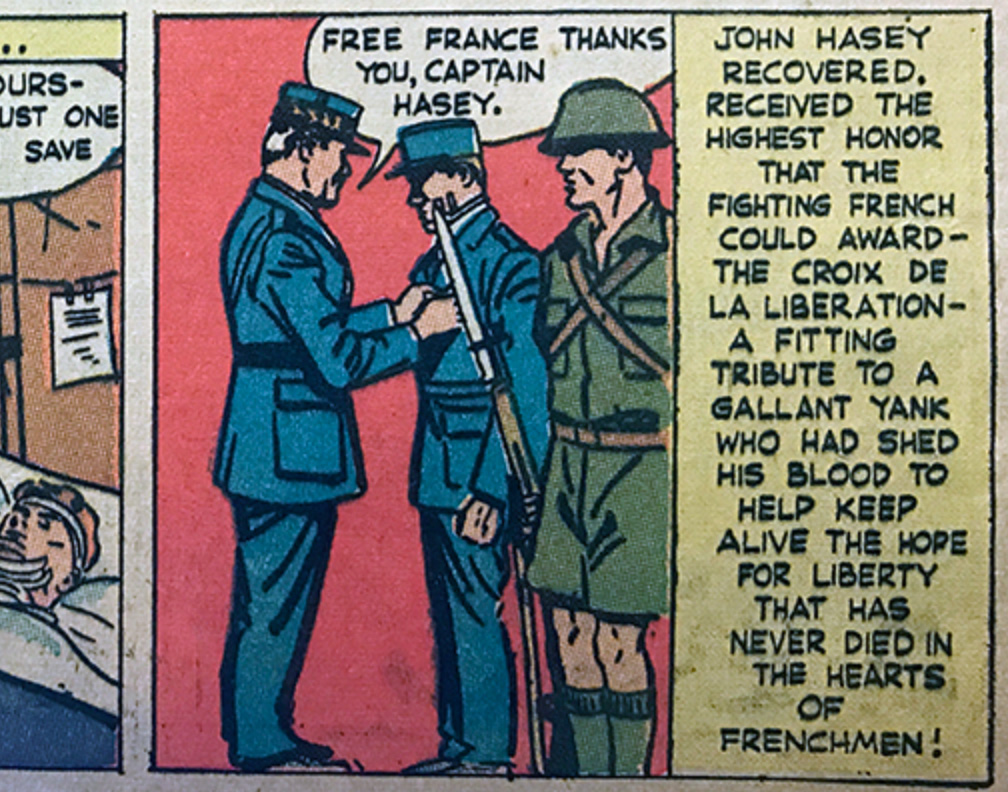
In April 1942, de Gaulle named Hasey a Companion of the Order of Liberation, making him the first American to receive the honor. De Gaulle publicly praised him as the first American to shed his blood for Free France.
Only four Americans ultimately became Companions of the Liberation. Another was Gen. Dwight D. Eisenhower (1890-1969).5
The U.S. military later rejected Hasey as medically unfit for service, but he refused to remain on the sidelines. He returned to the Free French and became an instructor with the Antilles Battalion. In 1943, he became an aide-de-camp to Gen. Marie-Pierre Kœnig (1898-1970), one of de Gaulle’s most important commanders.
Hasey also served as a liaison among French, British and American military leaders, including de Gaulle and Eisenhower. He remained with Kœnig after the liberation of Paris, when Kœnig became the city’s military governor.
Yank with the Fighting French
Hasey’s exploits made him a celebrity in the United States. In 1943, Parents’ Magazine Press featured him in “Real Heroes,” a comic-book series that told young readers the stories of actual wartime figures. The six-page feature, “Yank with the Fighting French,” appeared in the February-March issue.6

Cover of “Real Heroes” No. 9, featuring “Yank with the Fighting French”
After the war, Hasey briefly returned to Cartier. He moved back to the United States in 1949 and soon joined the CIA where he eventually became a station chief and senior operations officer.
Hasey married Barbara Trood in 1953 while she was attending school in London. They eventually settled in Arlington, where they raised their family.
Hasey’s wartime relationship with Charles de Gaulle made him particularly valuable to the agency. Hasey later recalled that he met privately with de Gaulle about once a month, reported the French leader’s political views to CIA Director Allen Dulles and supplied him with unclassified materials for the memoirs he was writing.7
CIA
Hasey later served in Laos as the CIA’s liaison and adviser to Gen. Phoumi Nosavan, a powerful anti-communist military leader. During the 1960 political crisis, Hasey advocated American financial and political support for Phoumi, including the release of funds to pay his troops.8 His close association with the general eventually placed him at odds with the Kennedy administration’s effort to create a neutral coalition government in Laos, and he was reassigned in 1962. Hasey later worked briefly in the Congo and held other assignments in Europe, the Middle East and Asia before retiring from the CIA in 1974.9
Hasey worked for the CIA from 1949 to 1974. He then retired and enjoyed spending time with his children, grandchildren and in his garden. A greenhouse once stood in the backyard, and he cultivated flowers and vegetables throughout the year.10

Barbara and John Hasey
Hasey died in 2005 and Barbara in 2013. They are buried at Columbia Gardens Cemetery in Arlington, Virginia.
While researching this story, I discovered another connection between Hasey’s life and my own.
Harry’s New York Bar
Hasey and his fellow volunteers planned much of their Finnish ambulance project at Harry’s New York Bar. Years earlier, journalist O. O. McIntyre (1884-1938) had become closely associated with the same establishment and its International Bar Flies club. McIntyre spent time there with writers and artists, including F. Scott Fitzgerald (1896-1940), Ernest Hemingway (1899-1961) and others.
I wrote about that world in my biography of McIntyre, “An Odd Book: How the First Modern Pop Culture Reporter Conquered New York.”11
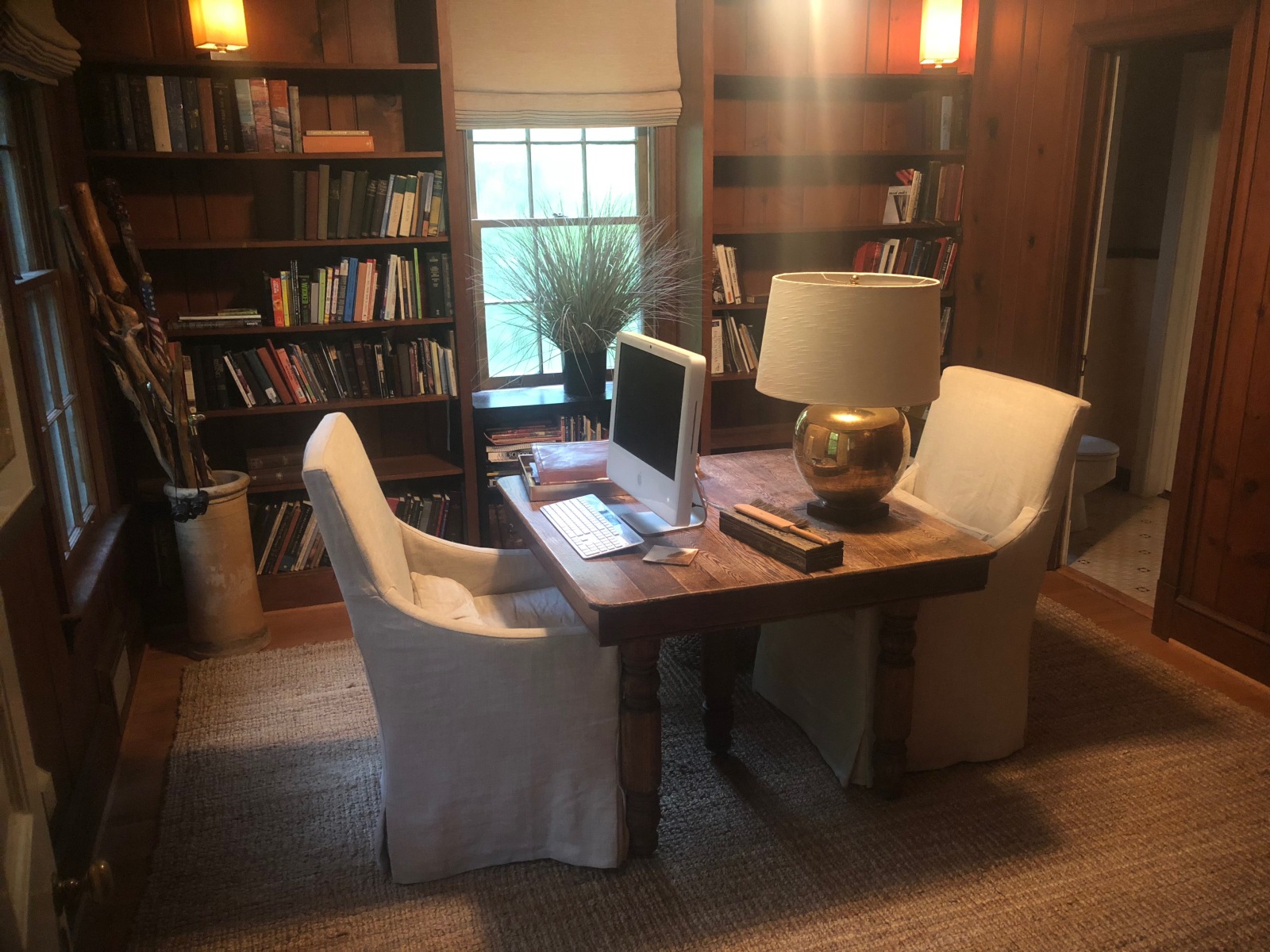
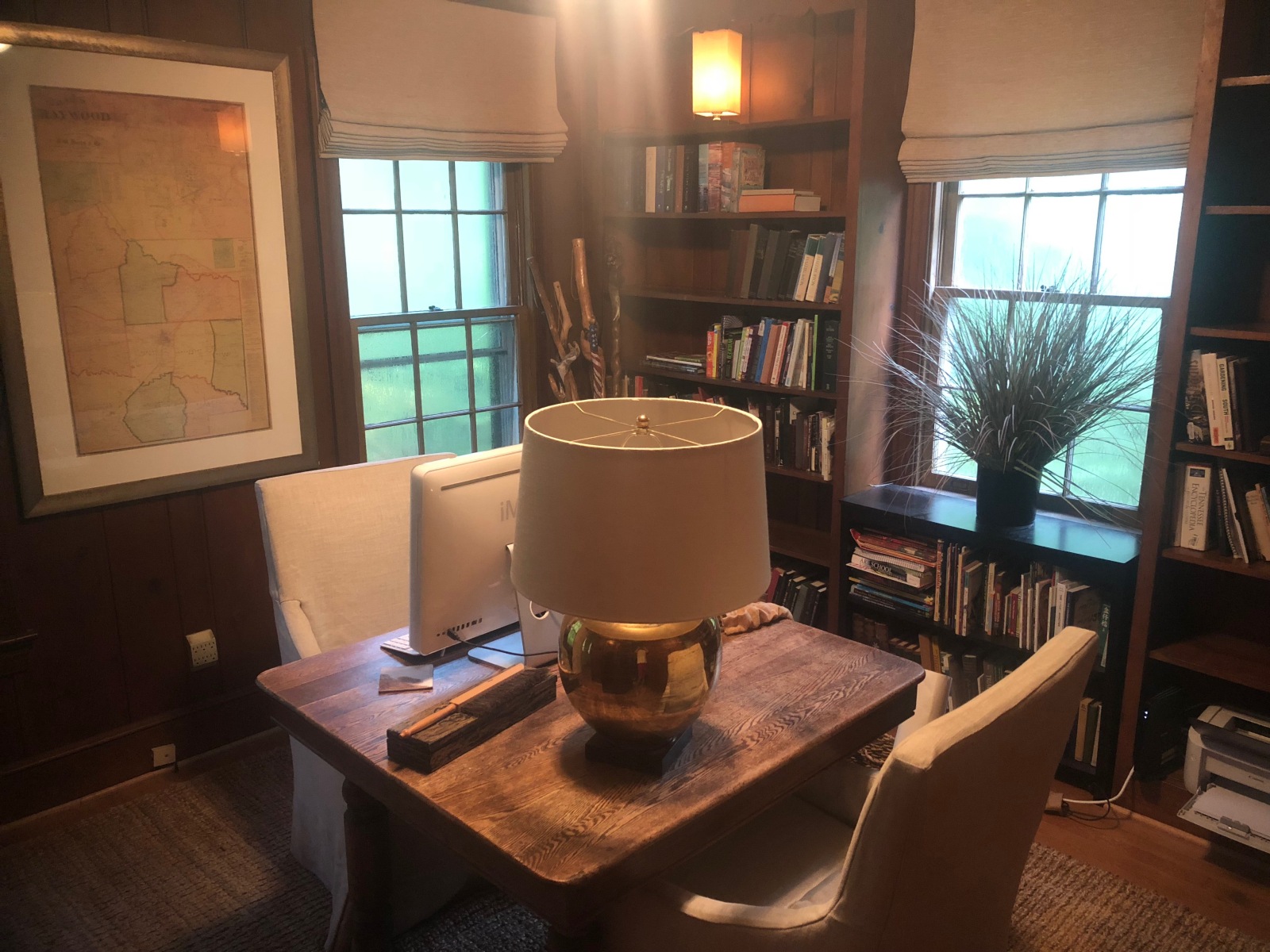
That means Hasey sat in a Paris bar where McIntyre once sat, and I later wrote about McIntyre while sitting in the study where Hasey once worked.
It is further proof that sometimes we are more connected to the people who came before us than we realize.
For more of my genealogy research, visit rscottwilliams.info.




Notes:
- “Lost Hotels of Pennsylvania Avenue, 1810 to 1942,” Ghosts of DC, February 14, 2014, quoting “National Hotel to Close Its Doors,” Washington Post, January 5, 1930. ↩︎
- John F. Hasey, Yankee Fighter: The Story of an American in the Free French Foreign Legion, as told to Joseph F. Dinneen (Boston: Little, Brown, 1942), 28-40; “John Hasey,” Ordre de la Libération. ↩︎
- Hasey, Yankee Fighter, 48-49. ↩︎
- oe Holley, “John Hasey Dies at 88; CIA Officer, War Hero,” Washington Post, May 10, 2005; Hasey, Yankee Fighter, 83-122. ↩︎
- “John Hasey,” Ordre de la Libération; Ministère des Armées et des Anciens Combattants, “Portraits des #CompagnondelaLibération: capitaine John Hasey,” June 13, 2024. ↩︎
- “Yank with the Fighting French,” Real Heroes, no. 9 (February-March 1943): 3-8; Michigan State University, Comic Art Collection index. ↩︎
- Stanley Karnow, “An Odd Bit of Hidden History: De Gaulle’s CIA Aide,” New Republic, June 29, 1974, Central Intelligence Agency Freedom of Information Act Electronic Reading Room. ↩︎
- James E. Parker Jr., “An Excellent Idea!”: A Memoir of the CIA’s Secret War in Laos (Washington, D.C.: Center for the Study of Intelligence, Central Intelligence Agency, 2022), 125, 131-32; U.S. Department of State, “Telegram From the Embassy in Laos to the Department of State,” May 16, 1961, document 92 in Foreign Relations of the United States, 1961-1963, vol. 24, Laos Crisis. ↩︎
- John Prados, Safe for Democracy: The Secret Wars of the CIA (Chicago: Ivan R. Dee, 2006); Joe Holley, “John Hasey Dies at 88: French Foreign Legion, CIA Operations Officer,” Washington Post, May 10, 2005. ↩︎
- Holley, “John Hasey Dies at 88”; “John Hasey,” Ordre de la Libération; “Barbara Hasey Obituary,” Dignity Memorial, January 2013. ↩︎
- Harry McElhone and Wynn, Barflies and Cocktails (Paris: Lecram Press, 1927); R. Scott Williams, An Odd Book: How the First Modern Pop Culture Reporter Conquered New York (2017). ↩︎


Leave a Reply