
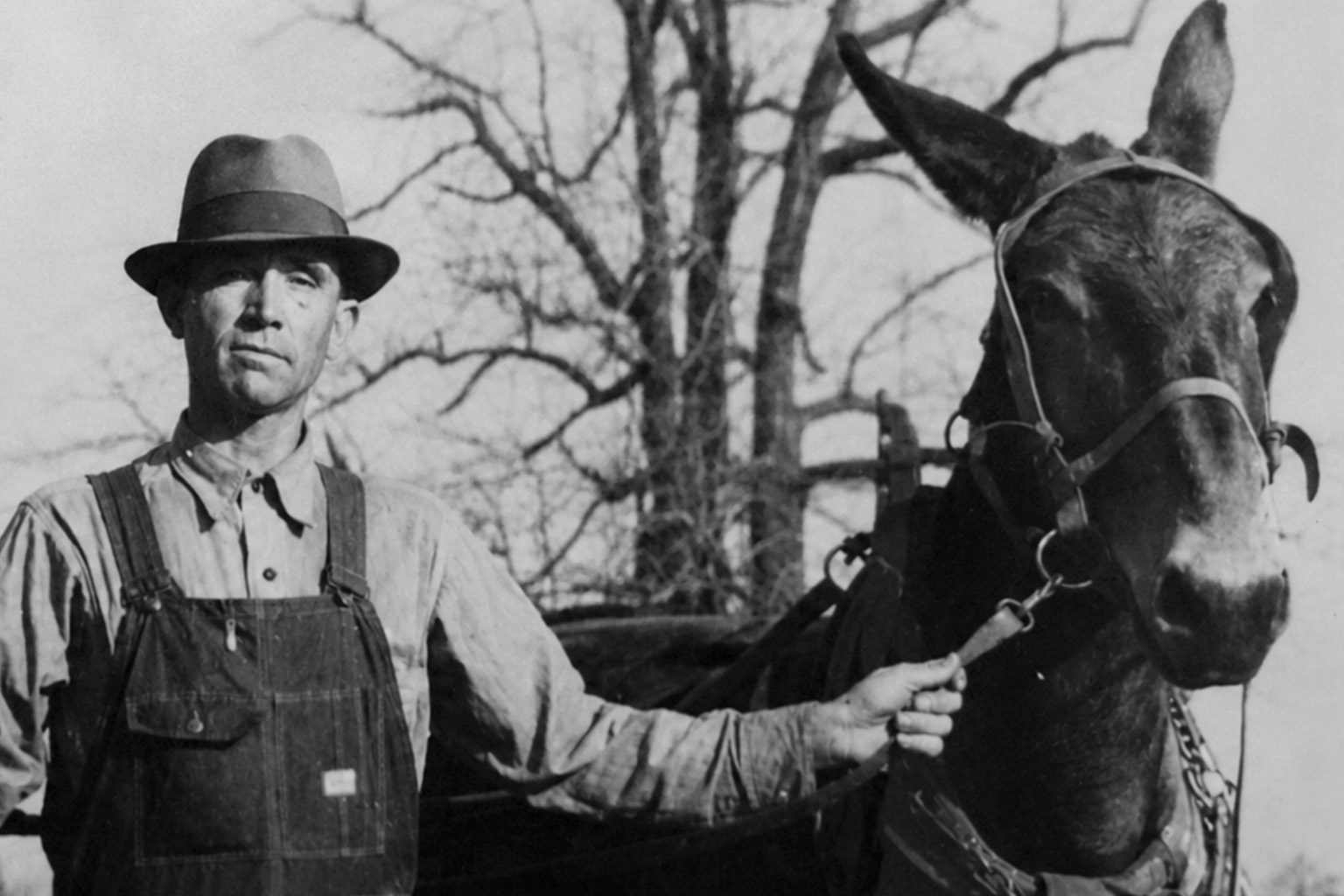
The last time I was in Haywood County, I stopped to say hello to my friends at the West Tennessee Delta Heritage Center and spent some time in its cotton exhibit.

The exhibit uses historic photographs, antique equipment, an old roller gin, baskets, sacks and scales to explain how cotton was planted, cultivated, harvested and prepared for market. The center now includes more than 8,000 square feet of exhibitions devoted to West Tennessee music, cotton and the Hatchie River, along with the Black Farm Experience. If you have not yet checked it out, I highly recommend a visit.
Here are a few cotton-related photographs from the center’s collection, along with some from my own family.
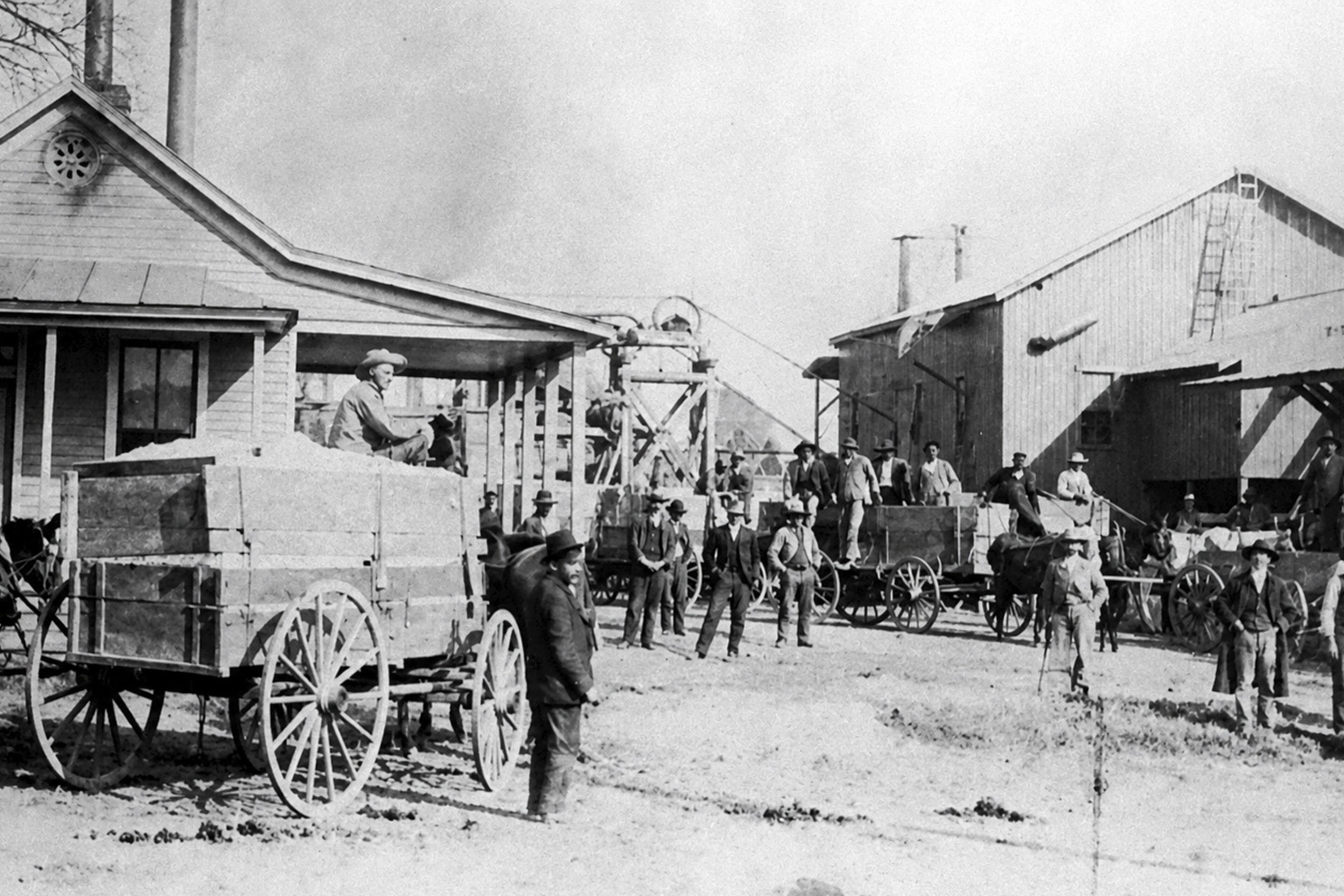
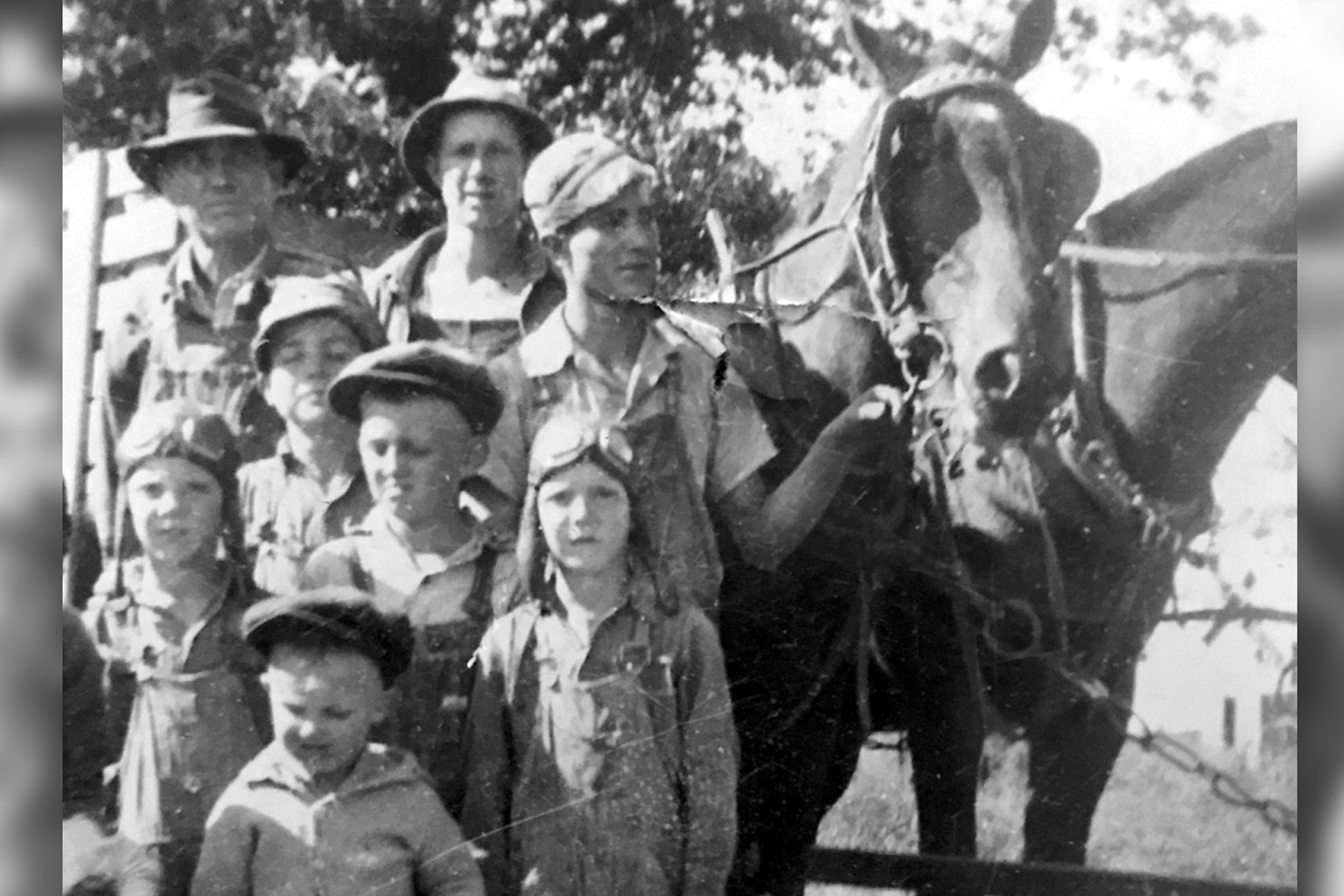
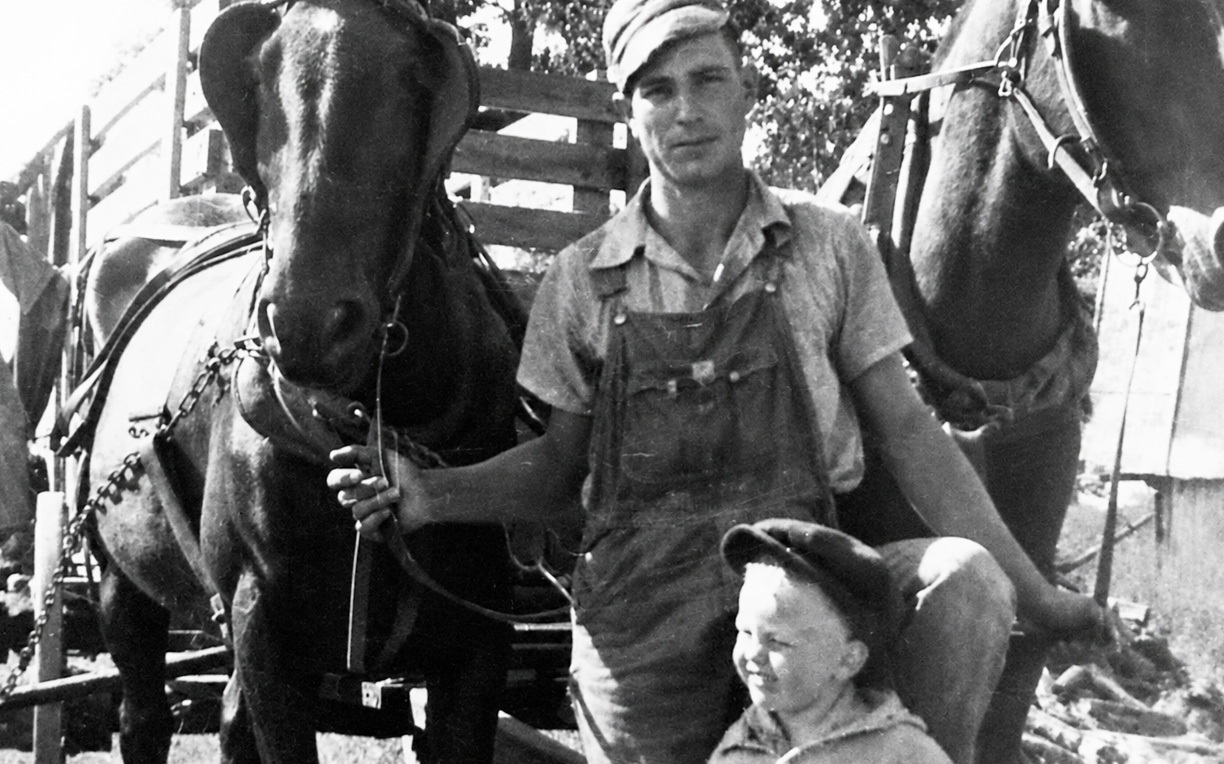
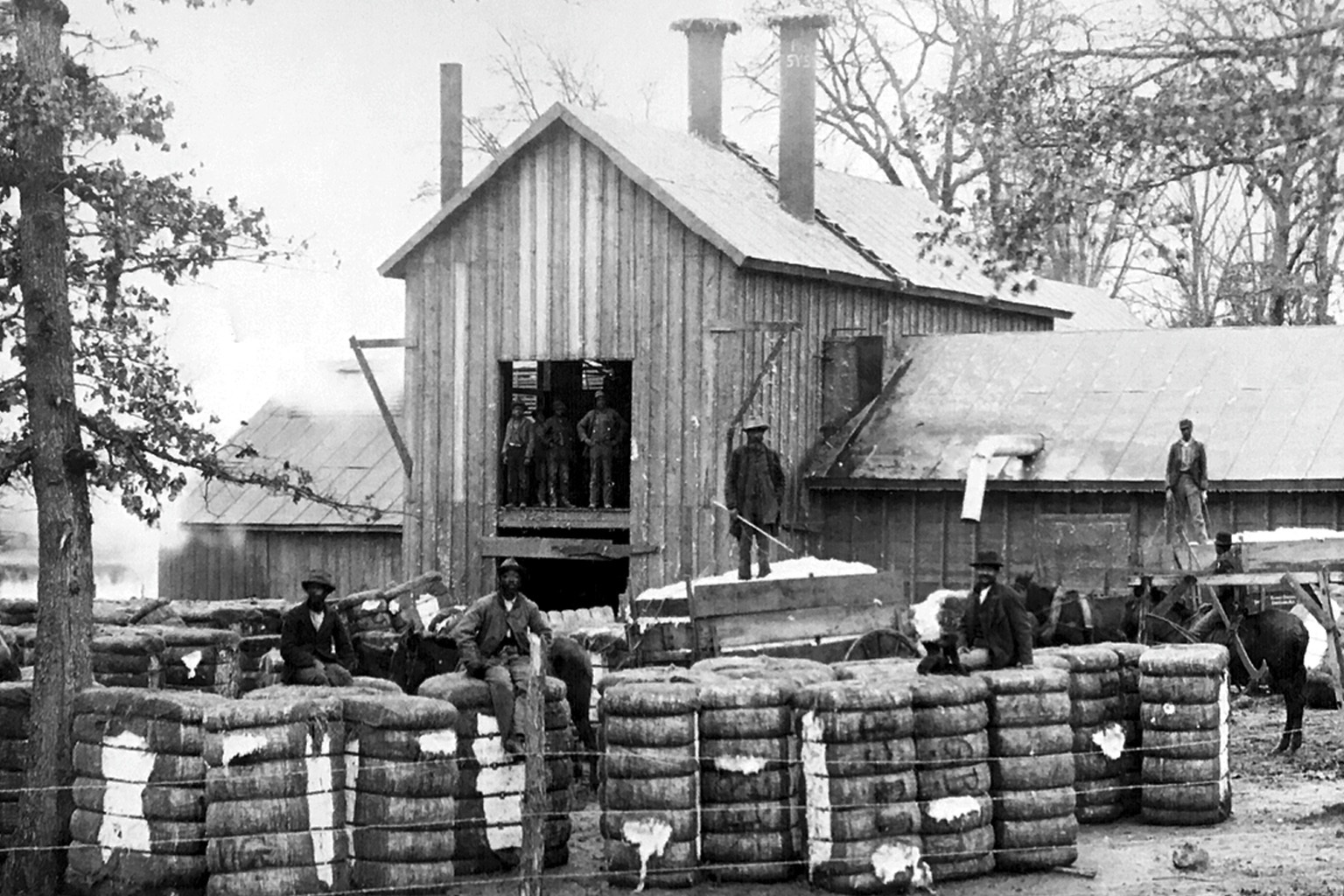
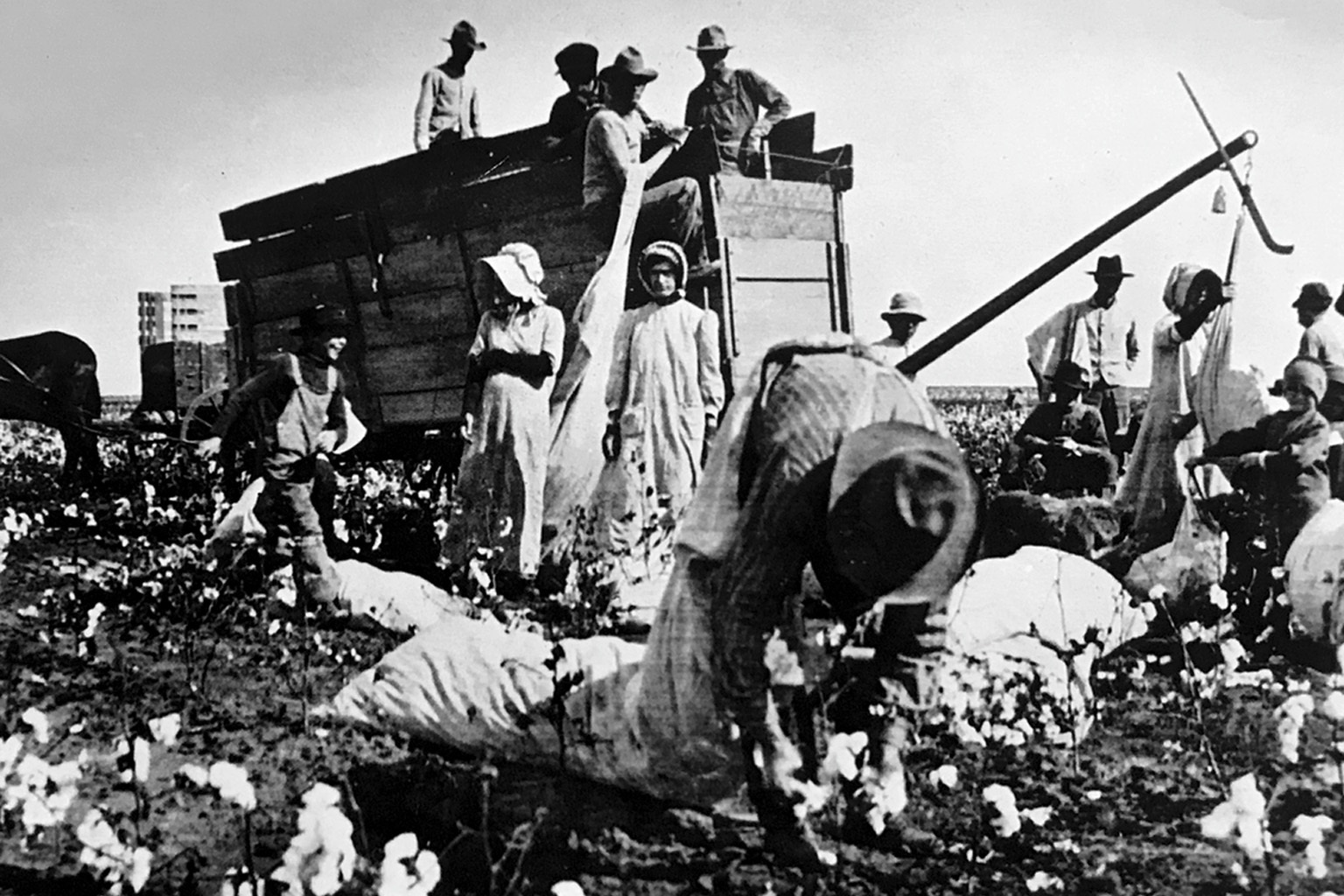
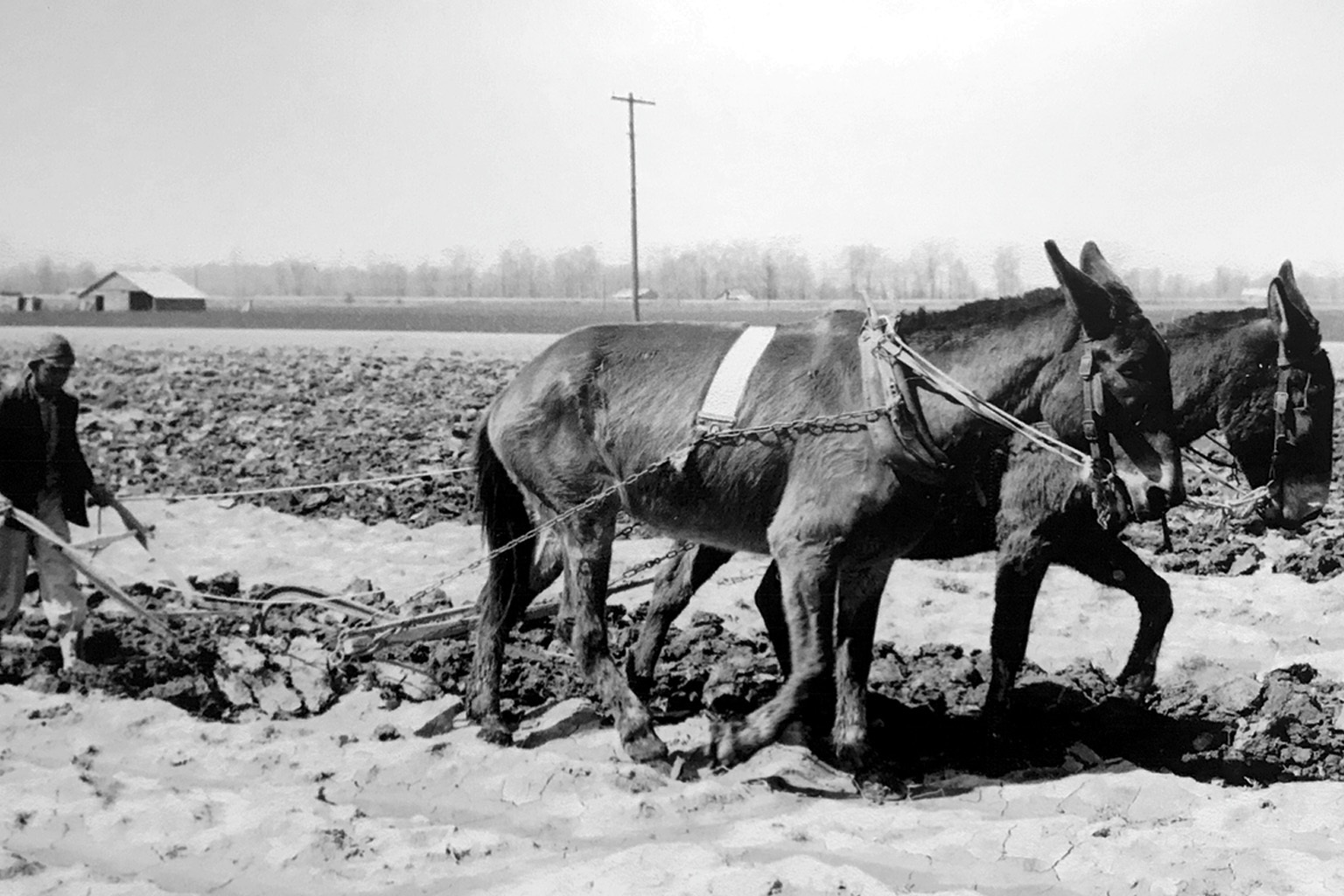
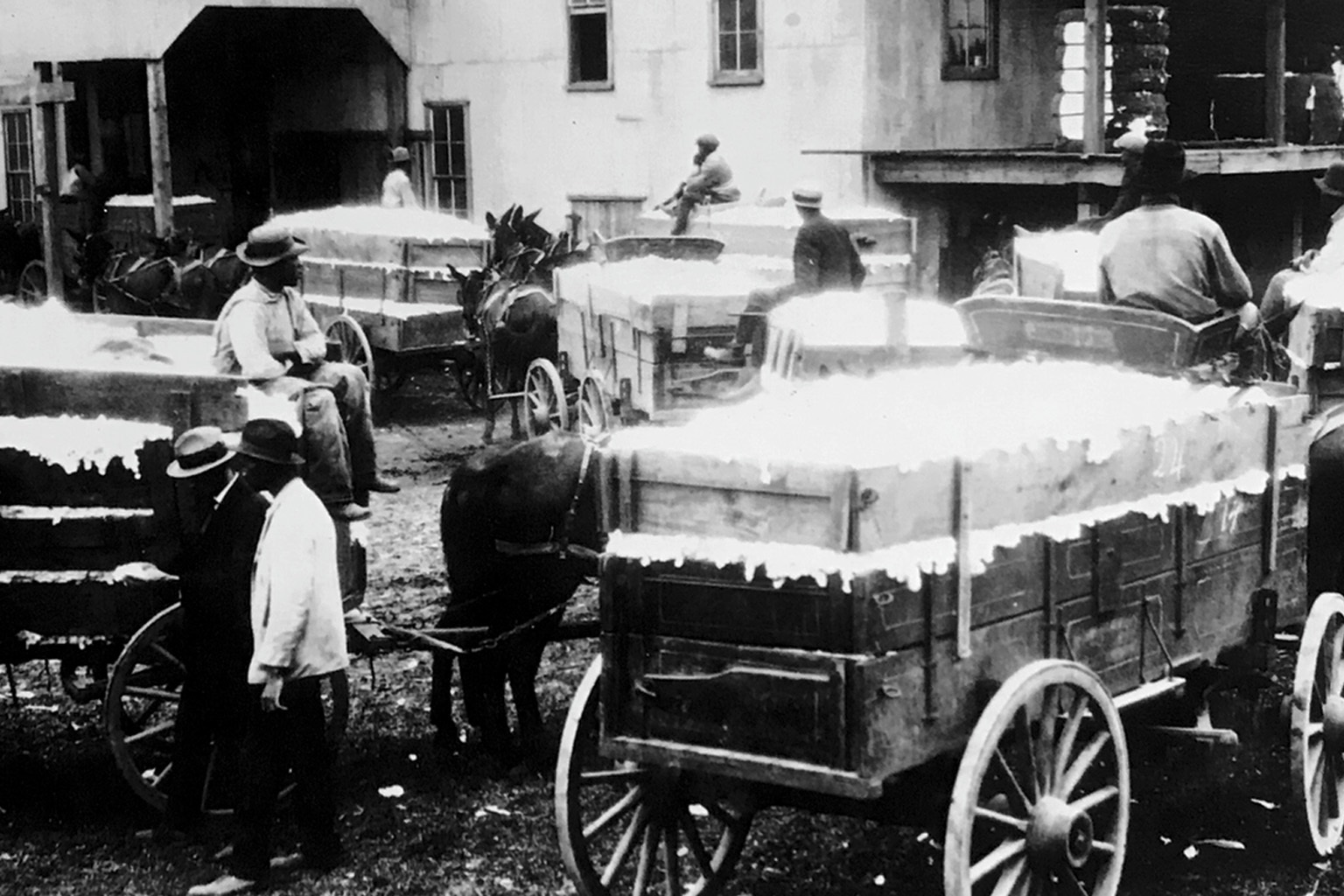
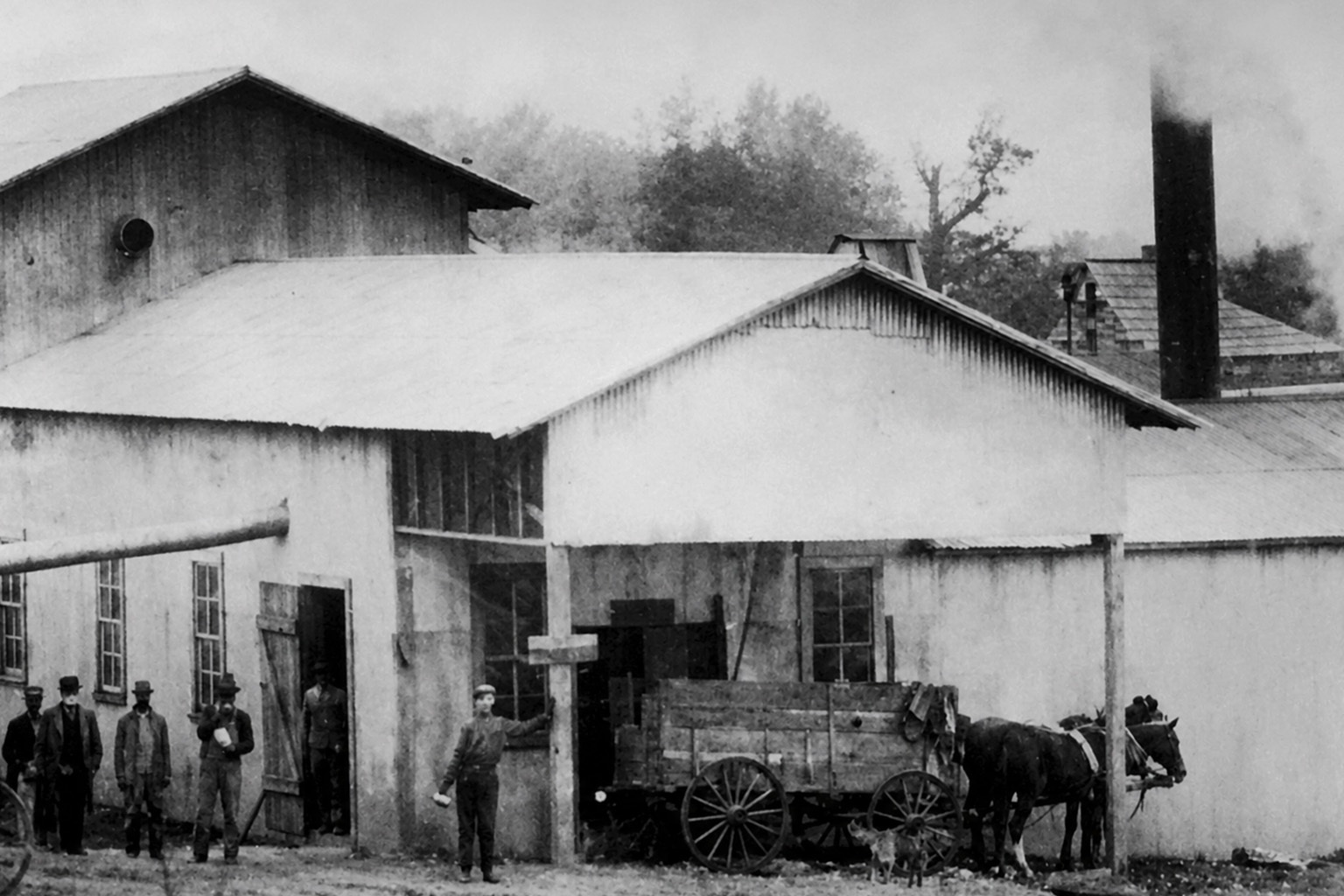
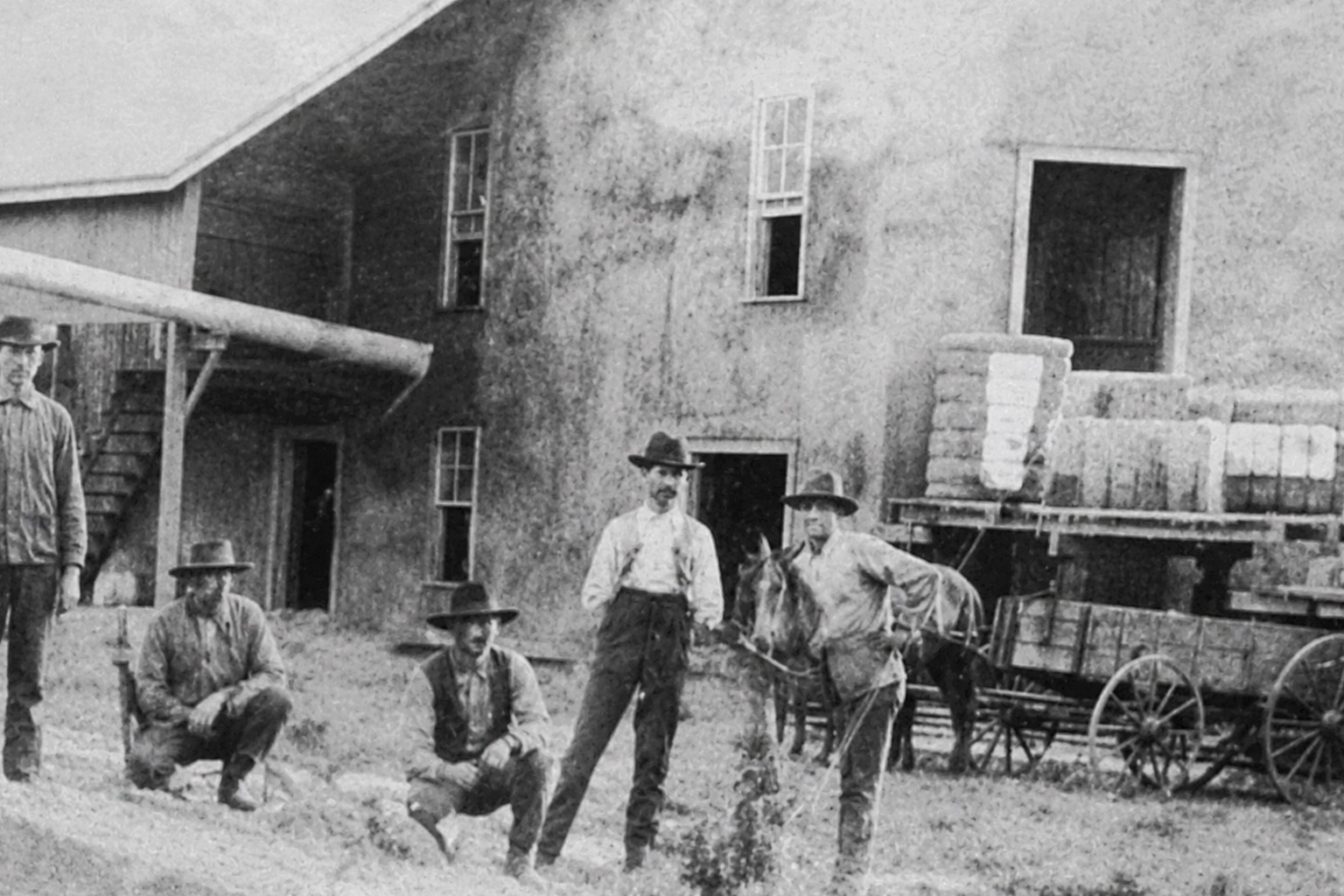
My visit got me thinking about this important crop that few Americans today know much about — and many have never seen growing in a field. Depending on a person’s background and experiences, cotton can evoke vastly different reactions.
Cultural lightning rod
Cotton has become a cultural lightning rod. In 2018, the Oklahoma City Thunder suspended a television announcer for one playoff game after he said a Black player was “out of his cotton-pickin’ mind.” The year before, the president of Lipscomb University apologized after Black students objected to cotton stalks used in centerpieces at a dinner at his home. A Texas woman reported receiving death threats after criticizing artificial cotton decorations sold by Hobby Lobby, while reality television personality Kendra Wilkinson was criticized online after posting photographs and videos of herself picking cotton in a Texas field.1
Those incidents had different circumstances, but all demonstrated how quickly cotton can open heated conversations about slavery, race and even the role of history

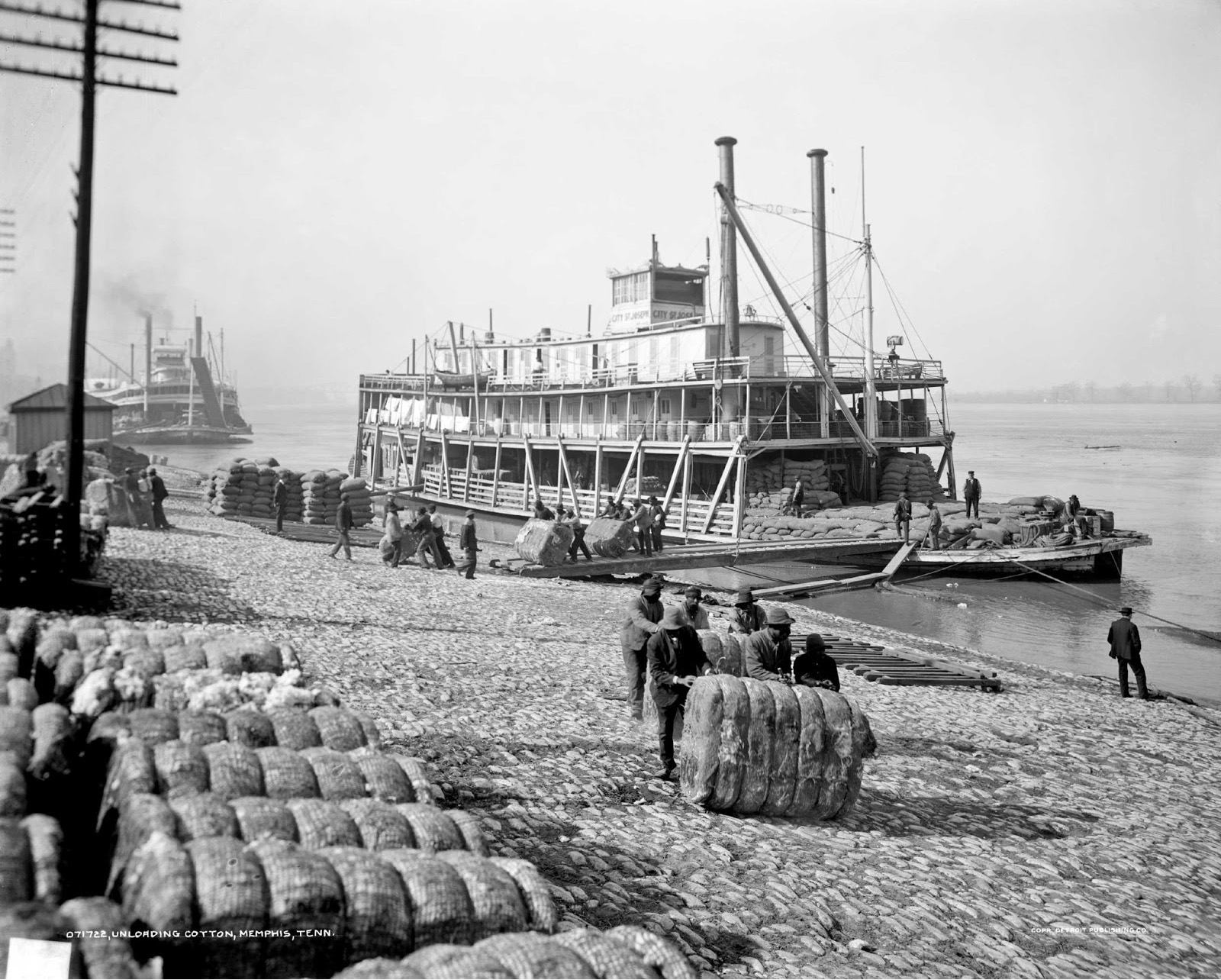
Cotton being unloaded along the Memphis riverfront, between 1900 and 1915; Photo: credit: Detroit Publishing Co. collection, Library of Congress. Download large version
Having grown up in Memphis, a cotton town, with deep family roots in Haywood County, I am familiar with what cotton looks like in its various stages. I also grew up hearing family stories about the misery of picking it by hand.
The work was grueling. Pickers endured heat, humidity, dust and insects while bending over or dragging heavy sacks through the rows. The sharp, dried burs surrounding the cotton could cut fingers and leave hands bloody and raw. Most of us living today would struggle to last a few hours under those conditions, much less work from morning until evening.
Cotton 101 from my father, Bob Williams, who picked his share of cotton by hand.
I have ridden in a giant mechanical cotton picker, and I have posed with my cousins for a family portrait in a field with open white bolls as the backdrop. Those are pleasant memories, but they exist alongside family stories about hard labor and alongside a much larger and more painful history.
The fertile soil of West Tennessee helped draw my ancestors and thousands of other white settlers to the region. That settlement followed the federal government’s acquisition of Chickasaw land and the removal of the Chickasaw people from most of West Tennessee. The cotton economy that followed depended heavily on land taken from Native people and labor extracted from enslaved Black people.2
Cotton connected Haywood County fields to Memphis merchants, Northern textile mills and factories in Britain and Europe. As demand increased, so did the demand for land and enslaved labor. Cotton did not create American slavery, but its profitability caused slavery to expand rapidly across the Deep South.
| From Farm to Fashion, Janice Person’s website is home for all things cotton. Cotton is a favorite fabric and a beautiful crop that dots our Southern landscape. All of that and more on HundredPercentCotton.com. |
When cotton was king
Sociologist Rupert Bayless Vance (1899-1975) captured the crop’s enormous influence in his 1929 book, “Human Factors in Cotton Culture.” Quoting a journalist, Vance wrote: “In the Belt — Black, Cotton, or Bible, as you prefer — cotton is Religion, Politics, Law, Economics, and Art.”3
Writer David L. Cohn (1896-1960) offered an even darker assessment in his 1956 book, “The Life and Times of King Cotton.” He described cotton as “the stuff of high drama and tragedy, of bloody civil war and the unutterable woe of human slavery.”4
There was a reason the crop became known as King Cotton. On the eve of the Civil War, raw cotton represented 61% of the value of all American products exported overseas. By the late 1850s, cotton grown in the United States supplied 77% of the cotton consumed in Britain, 90% of that used in France and more than 90% of the cotton manufactured in Russia.5
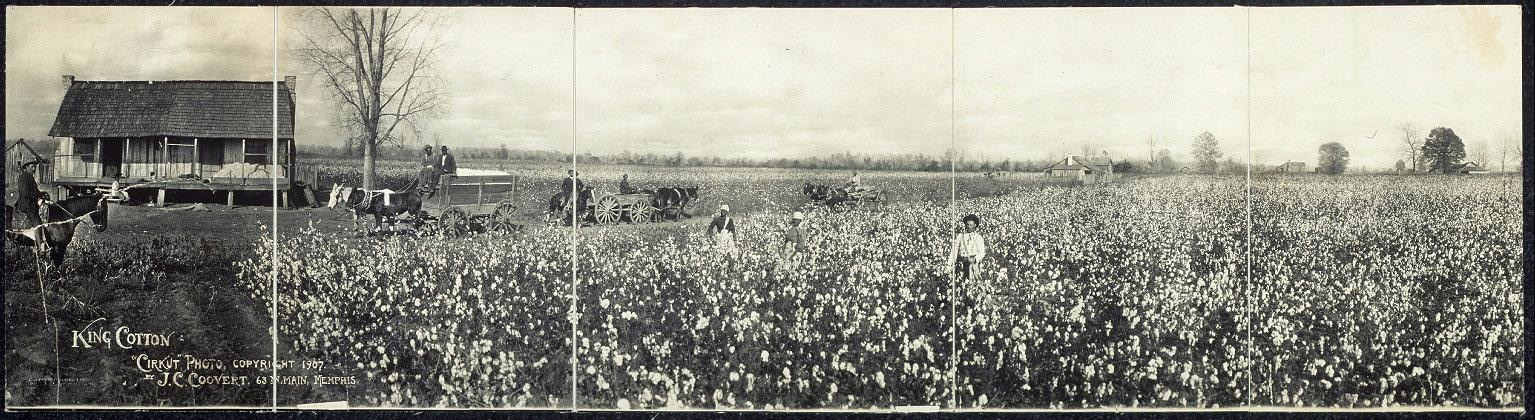
Memphis stood at the center of that trade. The city became the South’s leading inland cotton market and the principal commercial center for West Tennessee, northern Mississippi and eastern Arkansas. In 1860, Memphis shipped more than 360,000 bales and claimed nearly 10% of the total American cotton market.

“King Cotton,” a panoramic photograph made in Memphis in 1907 by John Calvin Coovert (1862-1937); Photo credit: Library of Congress. Download the complete image
The cotton gin and the expansion of slavery
Eli Whitney (1765-1825) received a patent for his cotton gin in 1794. The word “gin” is a shortened form of “engine.” The machine separated cotton fiber from its seeds, a slow and difficult process when performed by hand.
The familiar version of the story credits Whitney alone, but the history is more complicated. The National Archives notes that Whitney’s design built upon earlier machines and ideas contributed by others, including Catherine Littlefield Greene (1755-1814) and enslaved workers whose names were not preserved. Henry Ogden Holmes patented an influential saw-tooth gin in 1796, two years after Whitney received his patent.6
The gin did not pick cotton from the field. It processed the cotton after harvest. By making seed removal faster and less expensive, however, it made short-staple cotton far more profitable.
The result was devastating. Rather than reducing the need for enslaved labor, greater processing capacity encouraged planters to put more land into cotton and forced more enslaved people into the fields to plant, cultivate and pick it. Cotton production moved west from the Atlantic states into Alabama, Mississippi, Louisiana, Arkansas, Tennessee and Texas, carrying slavery with it.
Cotton after emancipation
The Civil War and emancipation ended legalized slavery, but they did not end the South’s dependence on cotton or the exploitation associated with it.
In the decades after the war, sharecropping and tenant farming spread throughout the region. Landowners allowed families to farm sections of their property in exchange for part of the crop, often one-half. Merchants advanced food, seed, tools and other supplies on credit, securing those debts with liens against the future harvest.
This system ensnared many Black families and poor white families in recurring debt. A bad crop, low cotton prices or inflated store accounts could leave a family owing more at the end of the year than it had owed at the beginning.

My father’s mule Beulah is supposedly nearly 30 years old.
Families plowed behind horses and mules, planted and cultivated long rows, then harvested the cotton by hand. Children, like both my parents and their siblings, worked alongside their parents because the success of the crop depended on gathering as much cotton as possible before rain and weather damaged it.
For much of the 20th century, mules were the backbone of American agriculture, especially across the South. Stronger, more sure-footed and generally longer-lived than horses, they pulled plows, planters, cultivators and wagons through countless acres of cotton, corn and other crops. Although tractors gradually replaced animal power after World War II, mules remained common on many farms into the 1950s and even the 1960s, marking the end of an era in which they quite literally helped build rural America.
The long search for a mechanical picker
Inventors spent more than a century trying to build a dependable cotton-picking machine.
Samuel S. Rembert and Jedediah Prescott of Memphis received an important early patent on Sept. 10, 1850, for a machine designed to remove cotton from open bolls while the plants were still standing in the field. Their machine never became a practical commercial solution, but the patent demonstrates how early inventors recognized the need to mechanize the harvest.7
International Harvester announced a production-ready spindle picker in 1942 and manufactured a small number of machines during World War II. Steel restrictions and wartime production needs delayed mass manufacturing. After the war, the company opened its Memphis Works plant and began producing mechanical cotton pickers commercially.
The transition was not immediate. Animals still supplied the only source of power on most cotton farms in 1949, and hand labor remained common through much of the 1950s. Mechanical harvesting gradually expanded as farmers purchased machinery, changed planting methods and adopted chemical defoliants that removed leaves before picking.
The machines relieved families of some of the most punishing physical labor in Southern agriculture. They also eliminated thousands of agricultural jobs, accelerated the collapse of sharecropping and contributed to the movement of rural people — especially Black Southerners — toward Memphis, Chicago, Detroit and other cities.
Are cotton-picking robots next?
Today, Cotton Incorporated researcher Ed Barnes and university partners are experimenting with a Cotton Harvest Autonomous Prototype, known as C.H.A.P. The concept involves replacing one enormous and extremely expensive picker with a group, or swarm, of smaller autonomous machines.

The robots would use cameras and image-recognition software to identify open bolls, remove the cotton and leave unopened bolls for a later trip through the field. Researchers envisioned machines making repeated passes during the season rather than harvesting almost everything at once.8
That vision has not yet replaced the giant commercial cotton picker.
Research has continued, but harvesting cotton one boll at a time has proved extraordinarily difficult. A 2021 review of experimental robotic systems reported that one prototype successfully harvested about 57% of cotton locks positioned within roughly one-half inch of its nozzle. Researchers continued experimenting with suction, rotating fingers, stripping mechanisms, artificial intelligence and different plant configurations.9
The technology behind robotic harvesting is still developing. Machine vision, autonomous navigation and smaller robotic platforms may eventually change cotton production, but the “army of small autonomous robots” imagined several years ago has not yet arrived.
Understanding what cotton represents
The cruelty of slavery can be difficult to comprehend from the distance of more than 150 years. Its consequences, however, did not disappear with emancipation. The wealth created by enslaved labor, the destruction of Black families, discriminatory laws, racial violence, economic exclusion and unequal access to land and education continued to shape American society long after slavery ended.
Its understandable on the surface why cotton evokes resentment for some people. At the same time, cotton can hold different meanings for people whose families depended upon it for survival or who grow it today as a sophisticated agricultural crop. For them, cotton may represent family farms, technological achievement, rural communities and a livelihood.
Museums like the West Tennessee Delta Heritage Center have important roles to play. They can preserve the plows, sacks, scales, gins and mechanical pickers while also telling the stories of the enslaved people, sharecroppers, tenant farmers, landowners, merchants and agricultural workers who made the cotton economy possible.
The answer is not to avoid cotton or pretend that our shared history is simple. The answer is information, communication and education.
For more of my genealogy research, visit rscottwilliams.info.
Notes:
- Cliff Brunt, “Oklahoma City Thunder Announcer Brian Davis Suspended for Comment,” Associated Press, April 13, 2018; Rick Seltzer, “More Than Cotton,” Inside Higher Ed, Sept. 18, 2017; Fernando Alfonso III, “Texas Woman Upset over Hobby Lobby’s Cotton Stems Receives Death Threats,” Houston Chronicle, Sept. 21, 2017; Emily Marcus, “Kendra Wilkinson Hits Back after Criticism over Photo Showing Her Picking Cotton,” Us Weekly, Nov. 22, 2017. ↩︎
- Carroll Van West, “Commerce and Urban Development,” Tennessee Encyclopedia of History and Culture, accessed Aug. 1, 2026. ↩︎
- Rupert B. Vance, Human Factors in Cotton Culture: A Study in the Social Geography of the American South (Chapel Hill: University of North Carolina Press, 1929), vii. ↩︎
- David L. Cohn, The Life and Times of King Cotton (New York: Oxford University Press, 1956). ↩︎
- Sven Beckert, “Empire of Cotton,” Weatherhead Center for International Affairs, Harvard University. ↩︎
- National Archives, “Eli Whitney’s Patent for the Cotton Gin,” updated Dec. 16, 2021; W. Stanley Anthony and William D. Mayfield, eds., “Cotton Ginners Handbook,” rev. ed., Journal of Cotton Science 20 (2016). ↩︎
- Samuel S. Rembert and Jedediah Prescott, “Improvement in Picking Cotton from the Bolls in the Field,” U.S. Patent No. 7,631, issued Sept. 10, 1850. ↩︎
- Cotton Incorporated, “Meet the Cotton Picker of the Future: Field Robots,” Cotton Today, 2018. ↩︎
- Edward Barnes et al., “Opportunities for Robotic Systems and Automation in Cotton Production,” paper presented at the 2021 Beltwide Cotton Conferences, Jan. 5-7, 2021, 307-8. ↩︎


Leave a Reply