
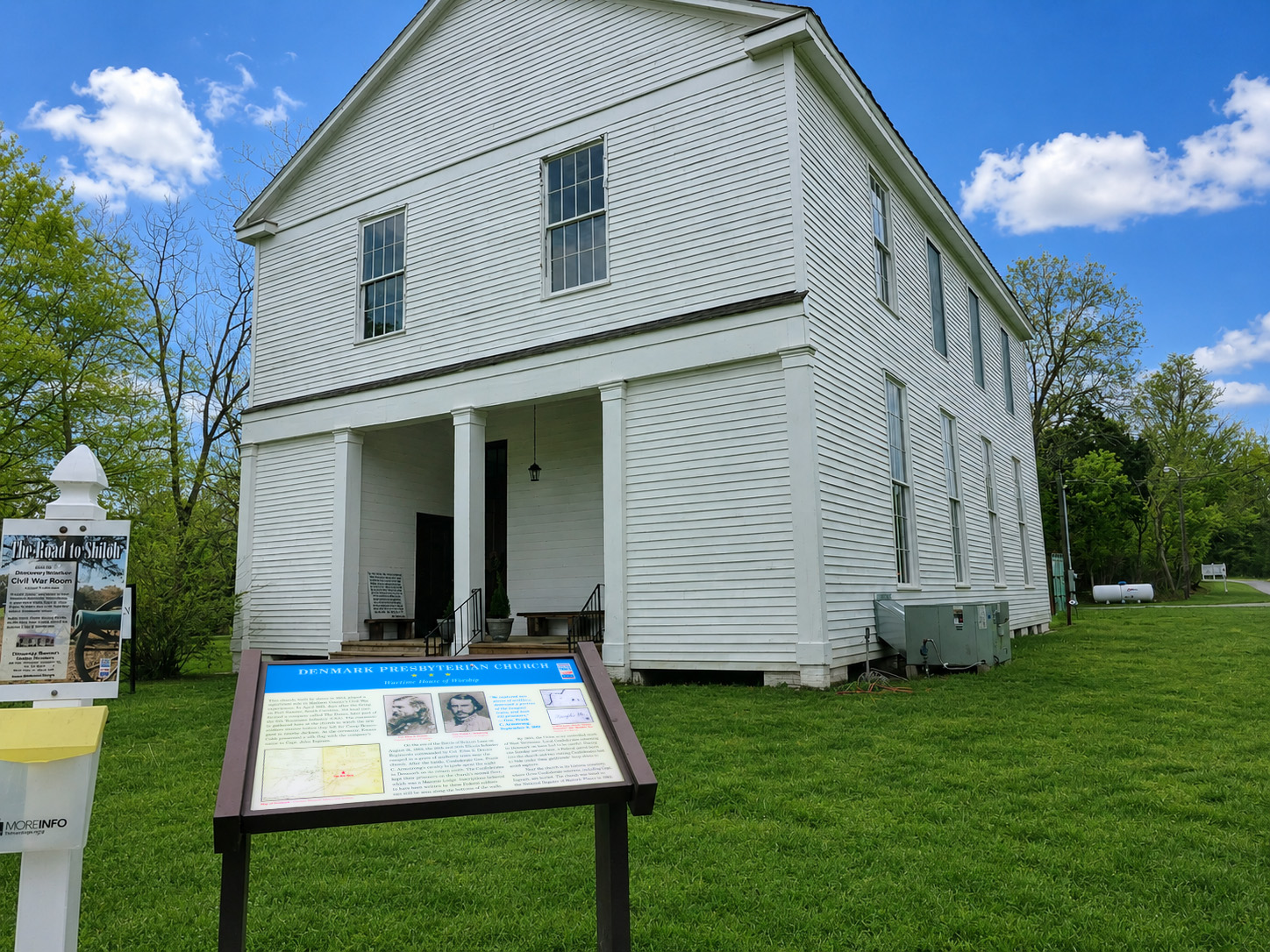
Last weekend I was in Amsterdam. This weekend I was in Denmark.
Denmark, Tennessee, that is.
Denmark is in Madison County, just north of Haywood County. I didn’t know much about it before this visit, but I quickly learned it is a historically significant small town with a strong commitment to preserving the history of West Tennessee.
Much of that work happens through the Big Black Creek Historical Association. In 2007, the organization began restoring Denmark Presbyterian Church. Its members have also worked to preserve several cemeteries and historic homes in the area.
Denmark Presbyterian Church is one of the oldest and most historically significant church buildings in West Tennessee. The congregation began in 1821 on Cub Creek, about five miles from the present church, and later moved into the village of Denmark, where Presbyterians first met in a log schoolhouse used by several denominations. 1
After conflict with the larger Baptist congregation, the Presbyterians built their own meetinghouse in only six days, then replaced it in 1854 with the present two-story Greek Revival church built by the Snipes brothers using enslaved labor. The church became a center of religious and community life during Denmark’s most prosperous years, and its second floor housed Masonic Lodge No. 154. During the Civil War, the church and its grounds became part of the region’s wartime history. Local men known as the “Denmark Danes” gathered there in 1861 before leaving to join the 6th Tennessee Infantry, and Federal soldiers captured after the Battle of Britton’s Lane were later held in the lodge room upstairs.2
The building was listed on the National Register of Historic Places in 1983 for its architectural and social history significance and remains one of Madison County’s most important historic landmarks.

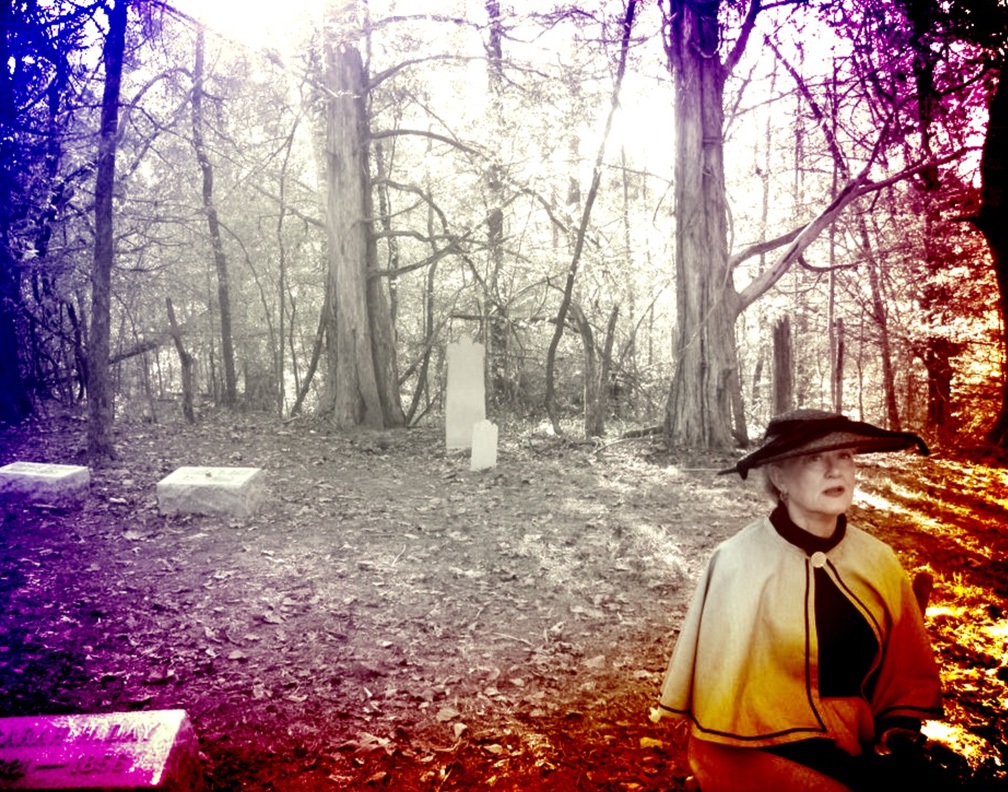
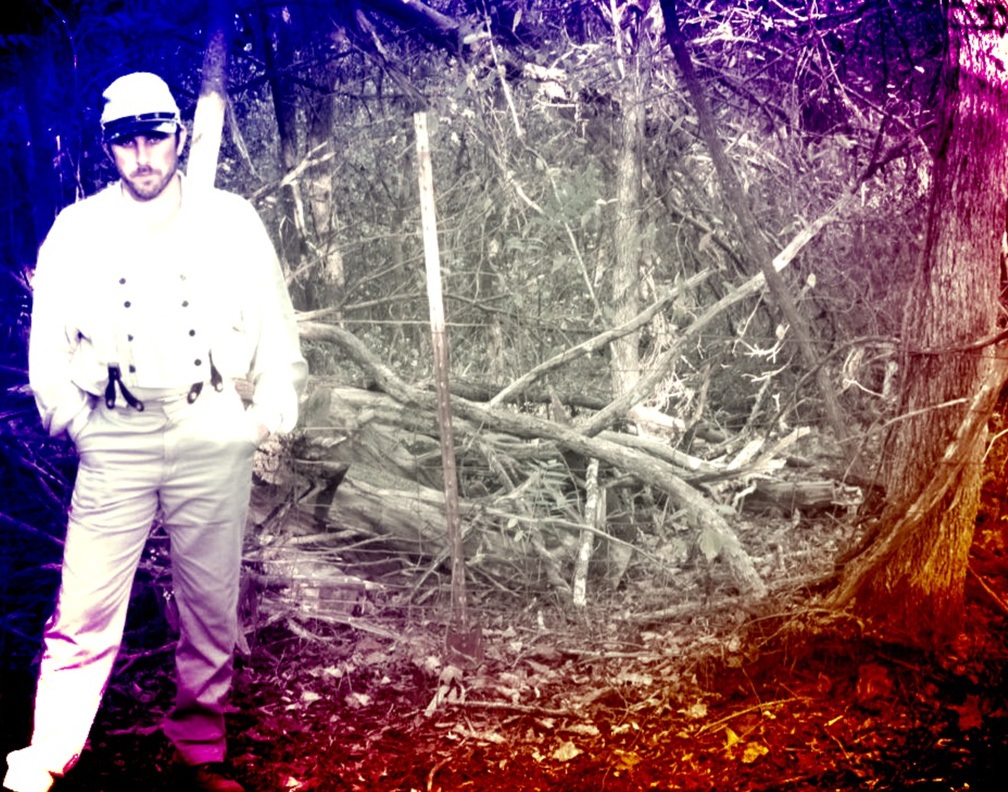
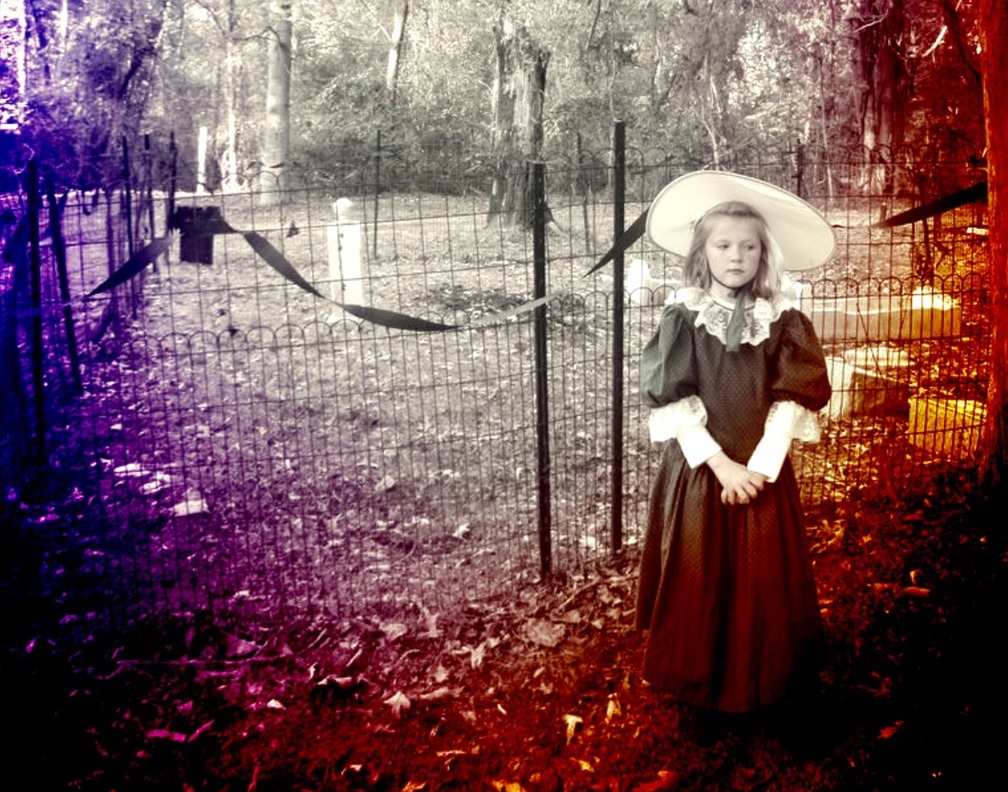
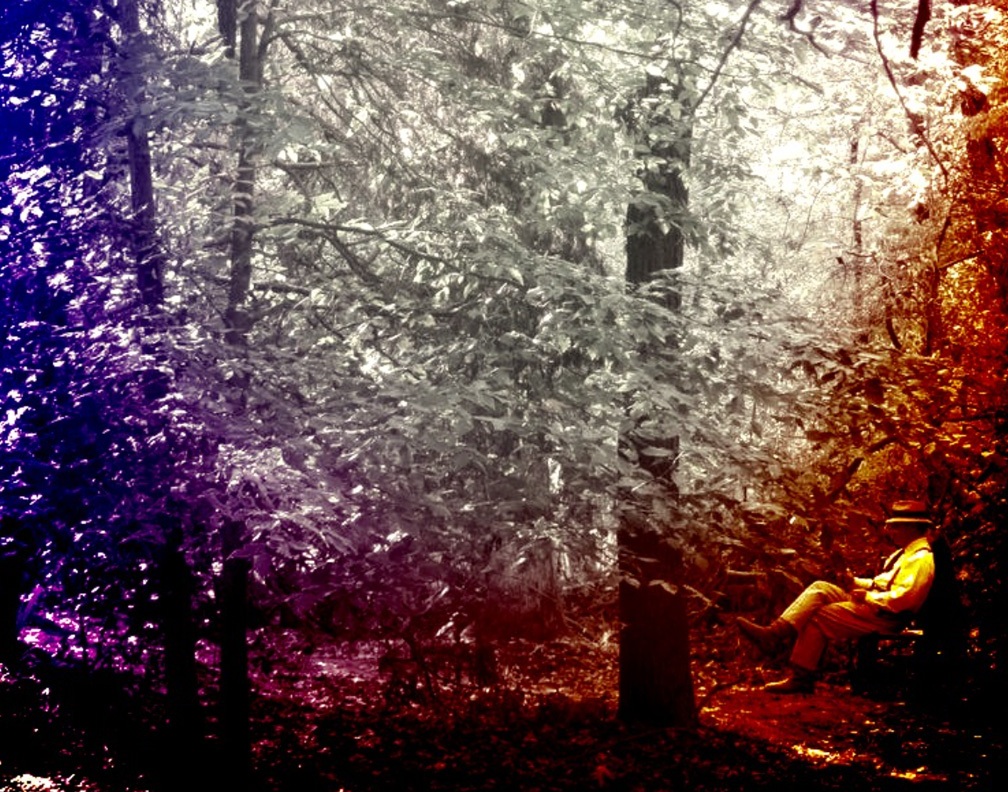
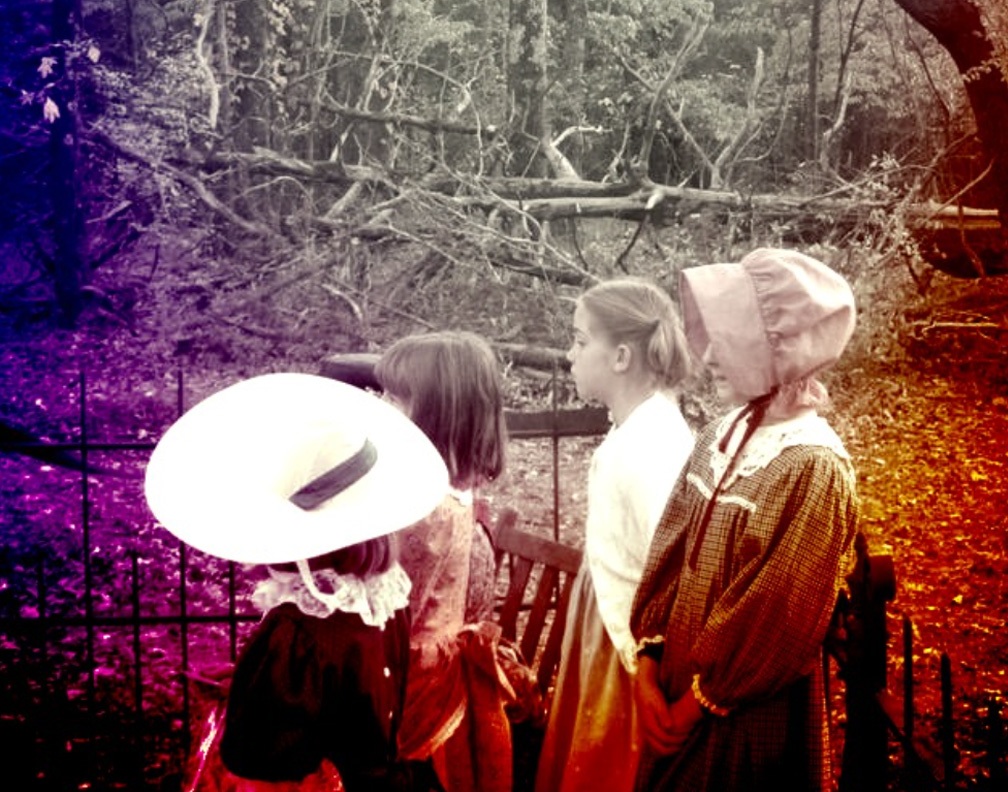
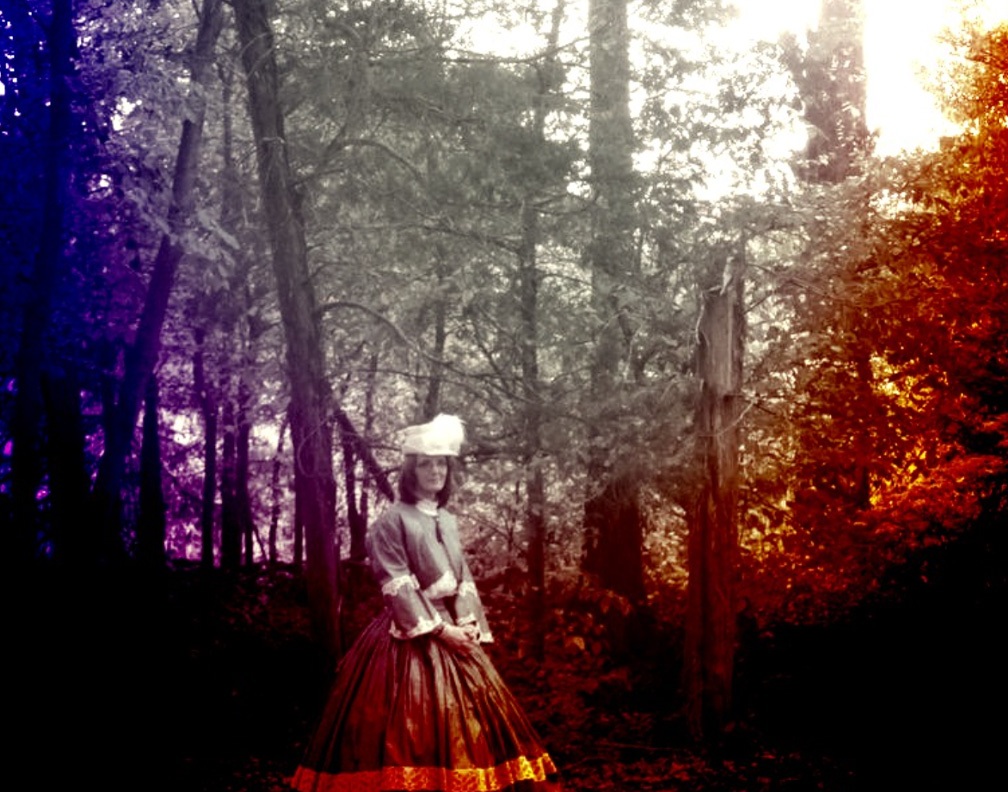
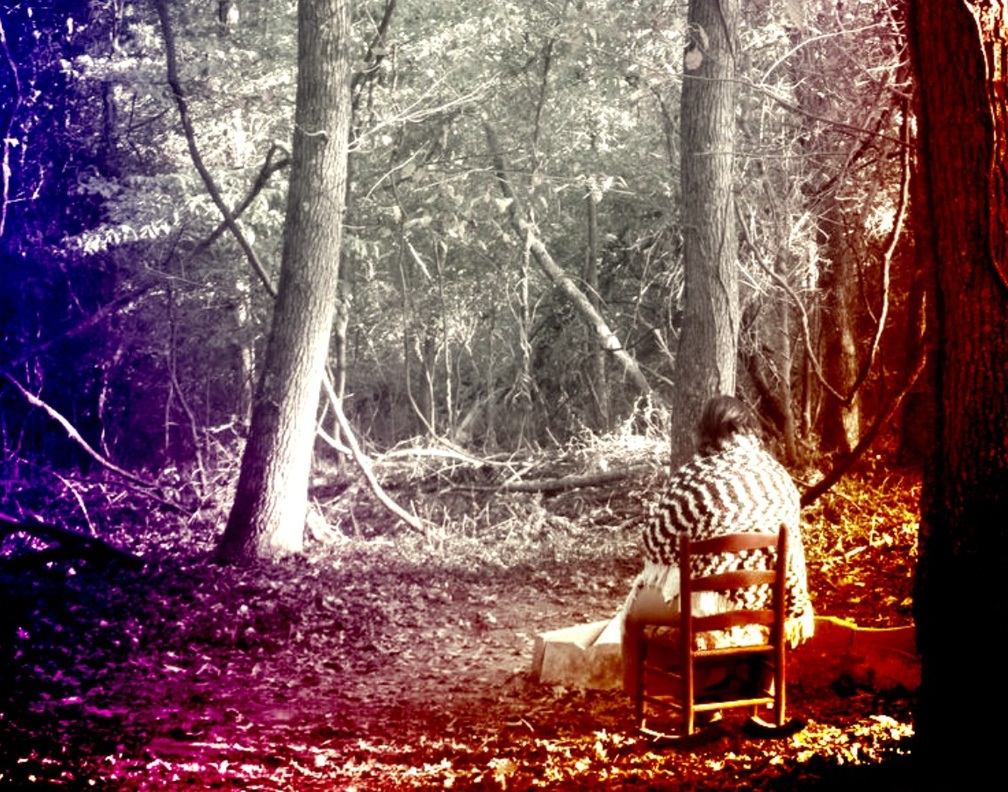
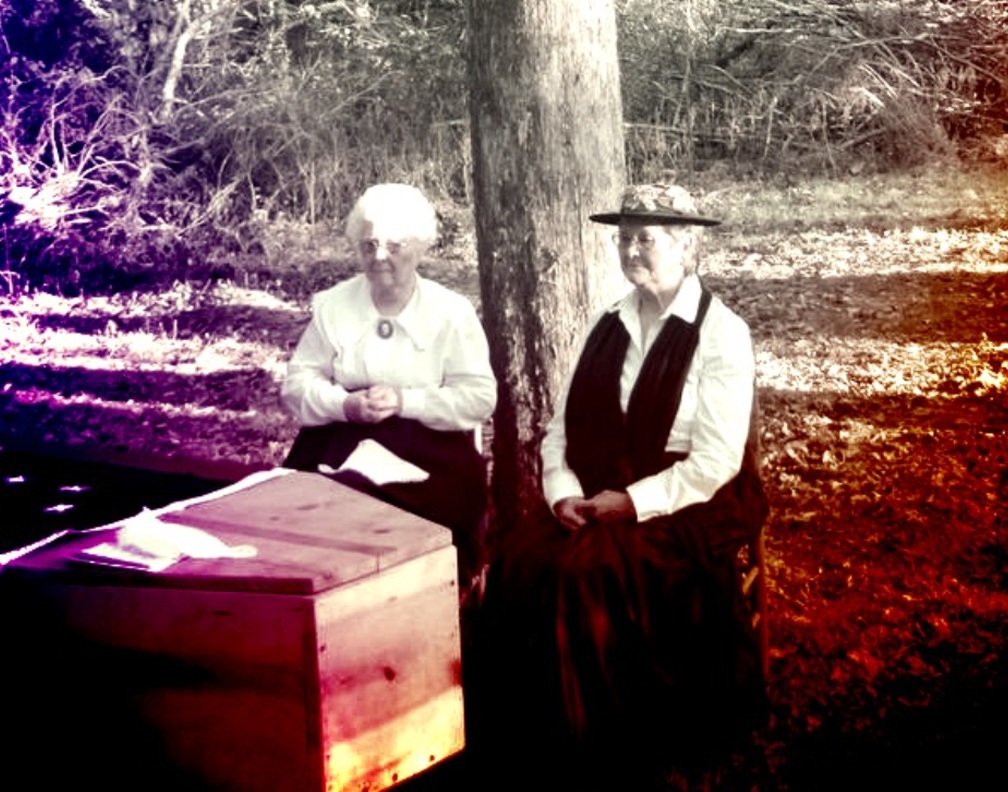
My family and I went to the 2011 Denmark Presbyterian Cemetery Walk, hosted by the Big Black Creek Historical Association at the cemetery beside Old Denmark Presbyterian Church. The event, which is timed pretty close to Halloween, features members of the community portraying some of those buried in the cemetery. They “come back” long enough to share stories about their lives and the lives of people who once lived in the community.
Many times, I have stood at the grave of someone who died more than 100 years ago and wished they could sit up for just a few minutes and tell me the things I have been trying to find in old records.
For one afternoon in Denmark, that pretty much happens.
Naturally, I could not resist taking a few photos. Just for fun, I ran them through a filter, and I like the way they turned out.
- Carroll Van West, “Denmark Presbyterian Church,” National Register of Historic Places Inventory/Nomination Form, Tennessee Historical Commission, 1983, National Park Service, 2. ↩︎
- Tennessee Department of Tourist Development, “Denmark Presbyterian Church,” Tennessee Civil War Trails, accessed May 17, 2026; Tennessee Civil War Trails Program, “Civil War Trails Installation Sites with Descriptions,” Tennessee Civil War National Heritage Area. ↩︎


Leave a Reply