
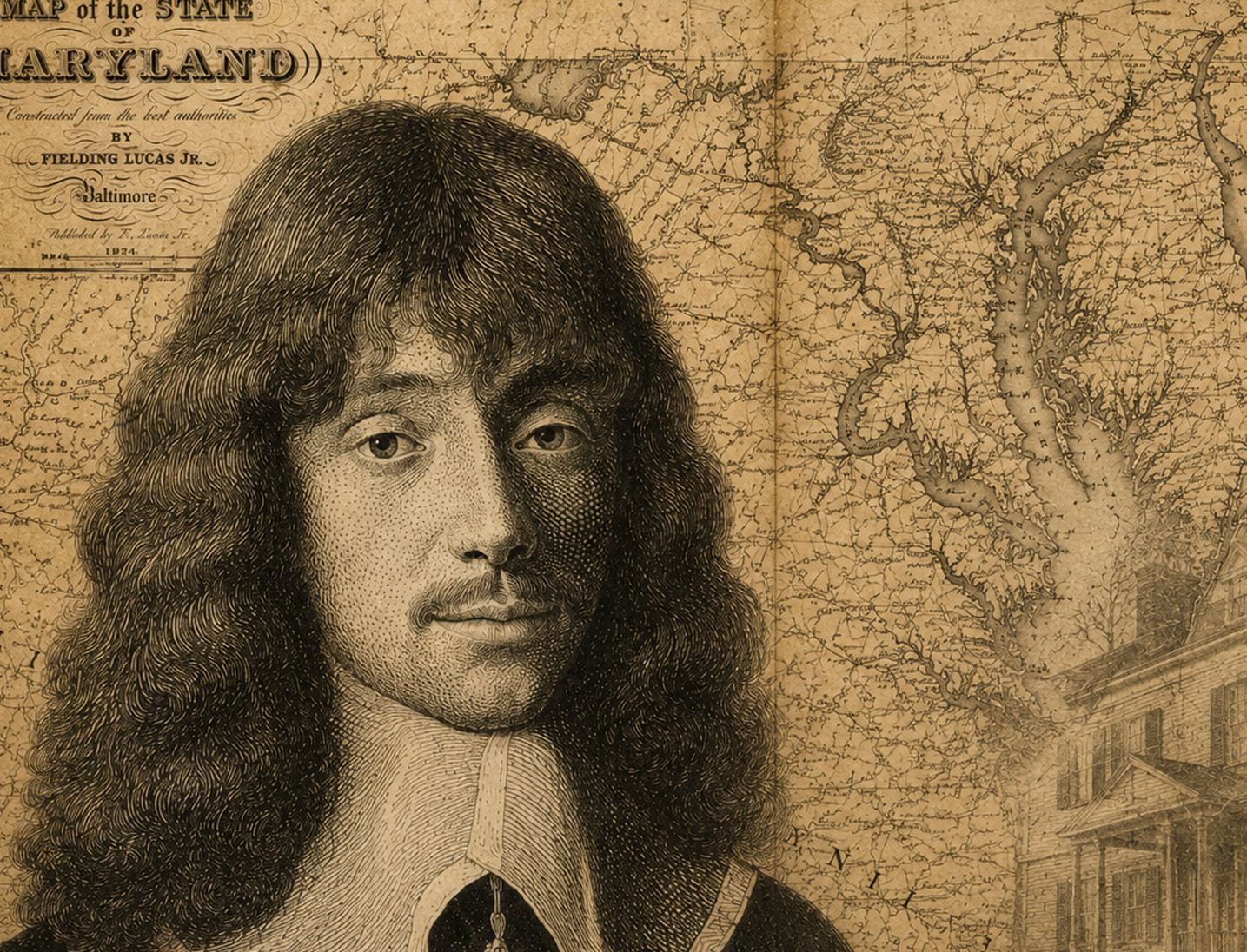

I love photos of my ancestors. However, the farther back I trace each line, the less likely I am to find portraits, letters or newspaper accounts. Instead, much of their story survives in land records, leases, surveys, deeds, quit-rent accounts and wills. In researching the Lovelace line and their beginnings in colonial Maryland, those documents can prove not only that an ancestor was there but something about where they lived, the names of family members, their place in society and what was important to them.
I’ve been spending some time with John Lovelace and his son, John Baptist Lovelace, my 7th and 6th great-grandfathers. It appears John was born, raised and spent his life in Maryland, as did his son, John Baptist Lovelace.
Researching Colonial Maryland land is challenging. A man might own one tract outright while leasing another for a term of years or a lease can last through multiple generations of one family. Acreages appearing in separate records cannot simply be added together because transactions sometimes involved the same land at different times.
With all that in mind, and after a week or so of research, the records reveal a Lovelace family that had established a meaningful foothold in Maryland by the first half of the 18th century. Within a generation, they were moving north from the older settlements of Charles County to new farmland along Rock Creek, in what was then Frederick County and is now Montgomery County, Md.
John Lovelace and Zachia Manor
The earliest substantial land trail I have found for John Lovelace, father of John Baptist Lovelace, is in Charles County, Md. south of present-day Washington D.C.

Credit: Library of Congress Geography and Map Division.
This cropped portion of Augustine Herrman’s 1673 map shows the waterways and settlements of Charles County, Md., including Zachia Swamp near the center of this tight crop (look just to the right of the word CHARLES). At upper left, Herrman labeled “Patowmeck Falls,” the landmark now known as Great Falls of the Potomac.
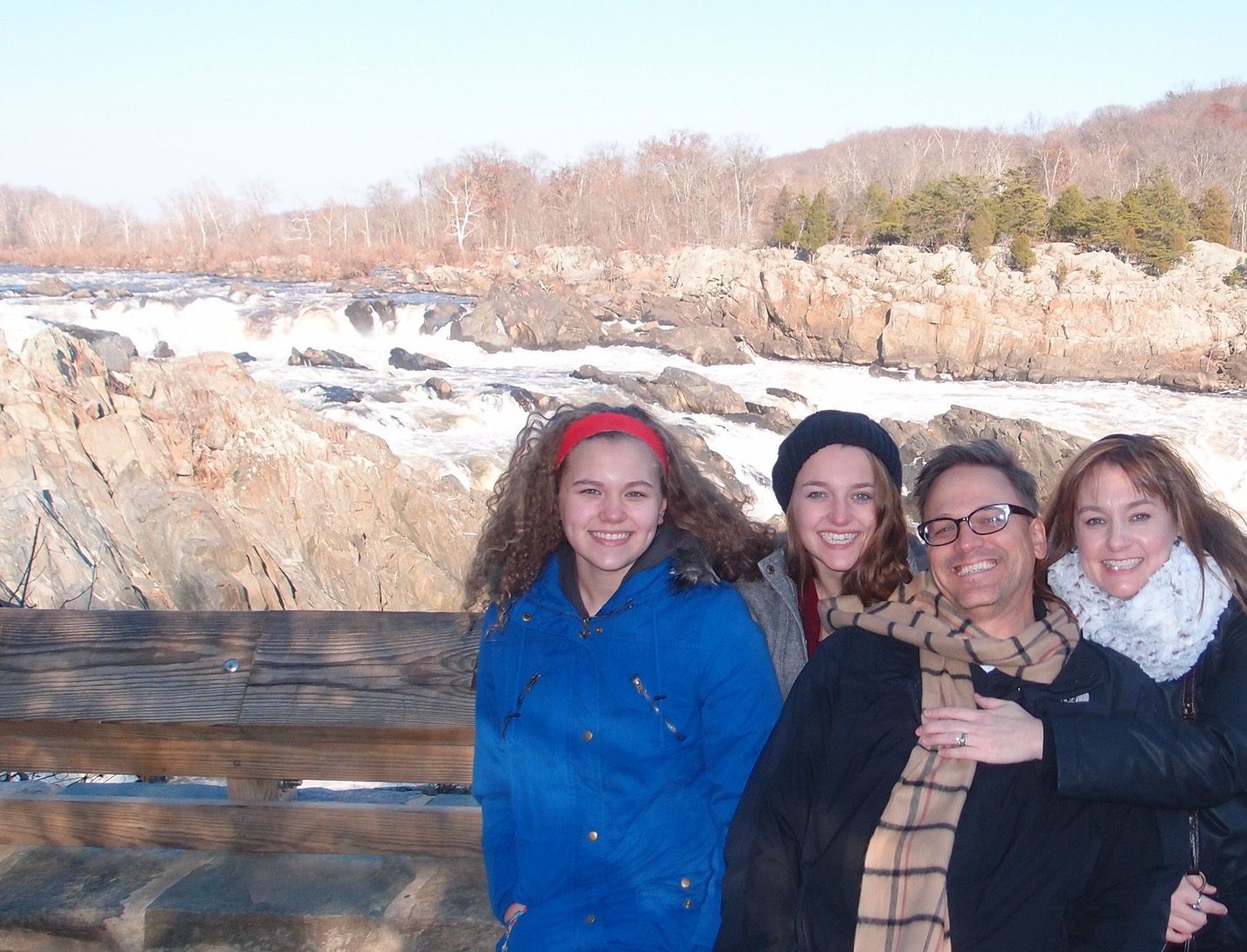
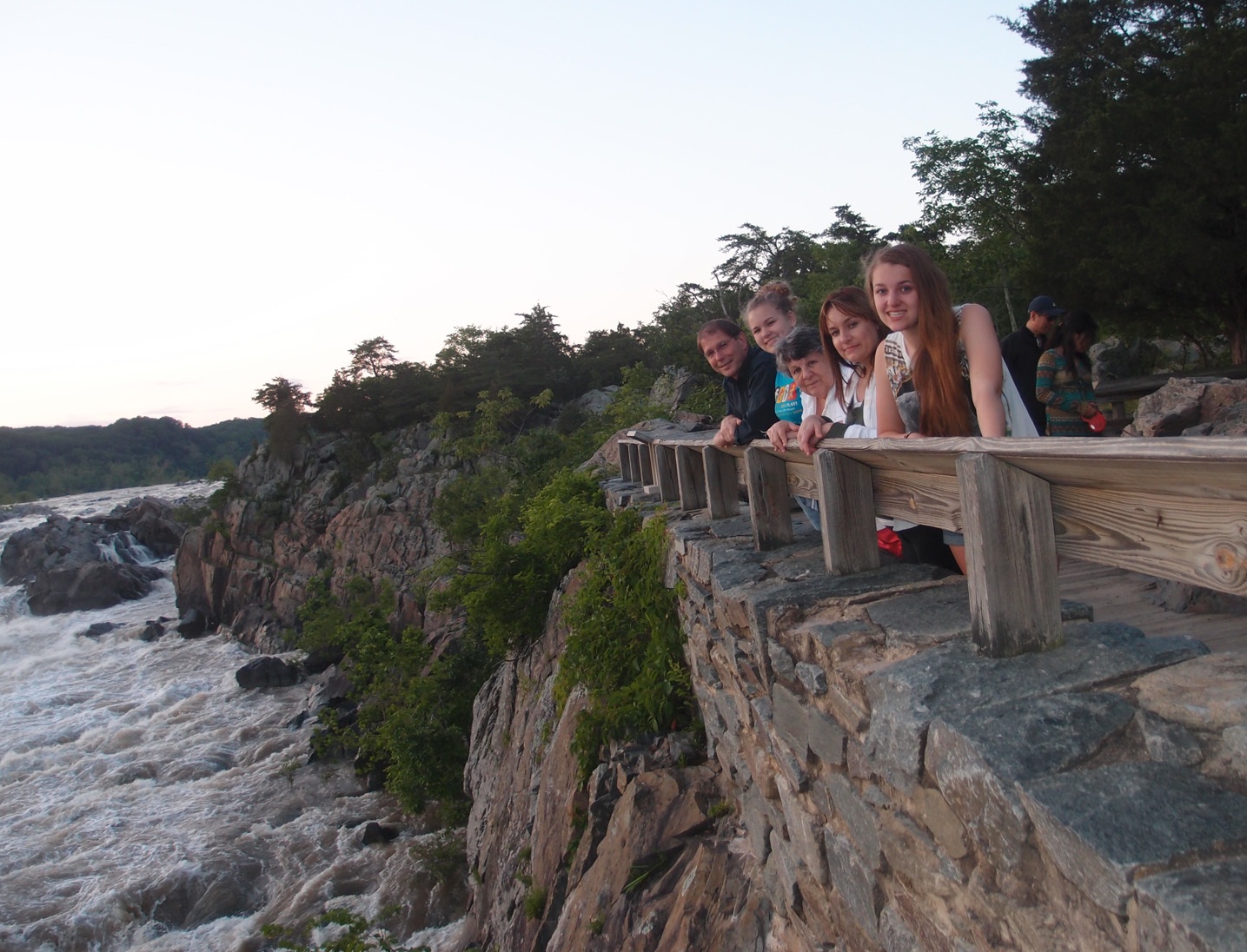
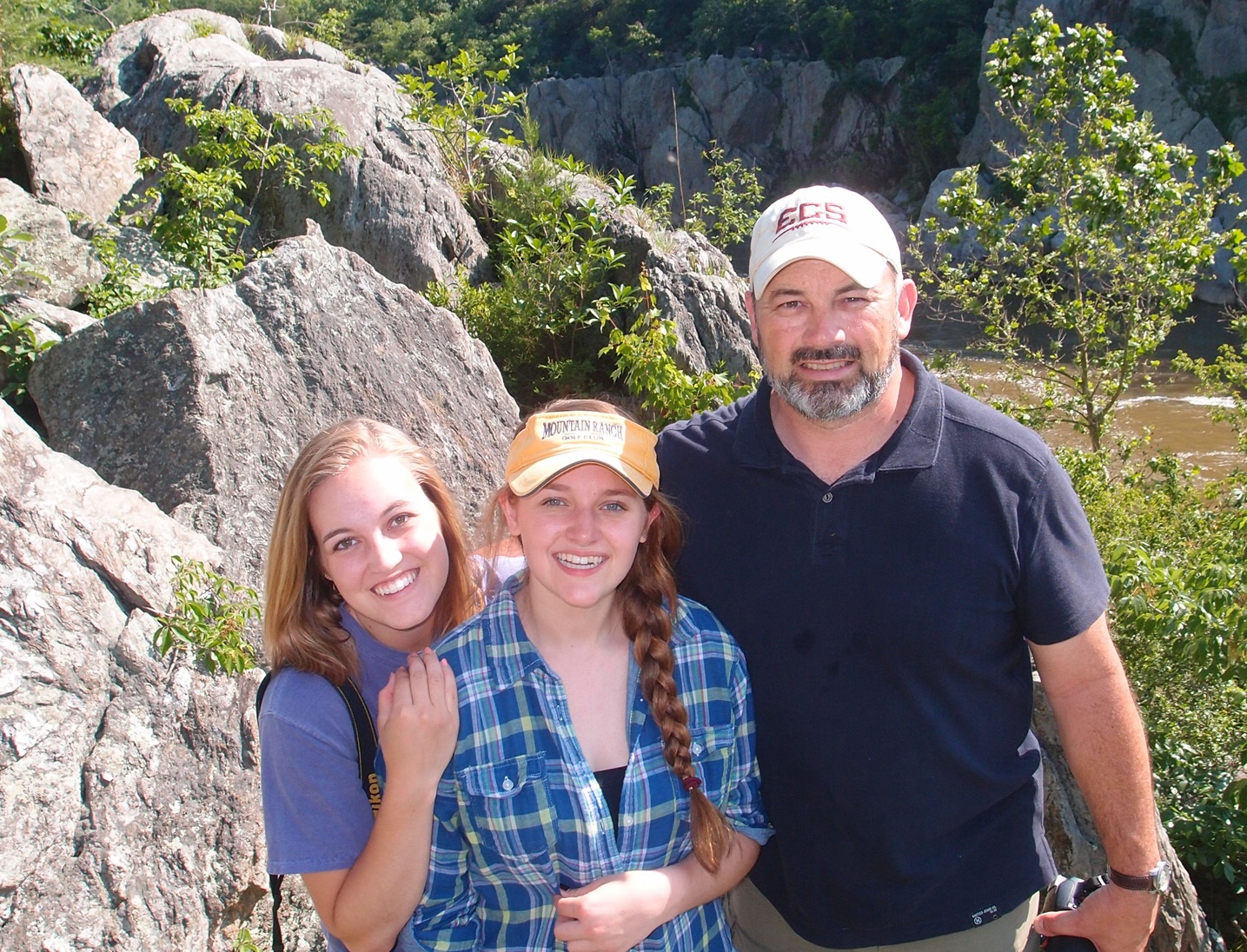
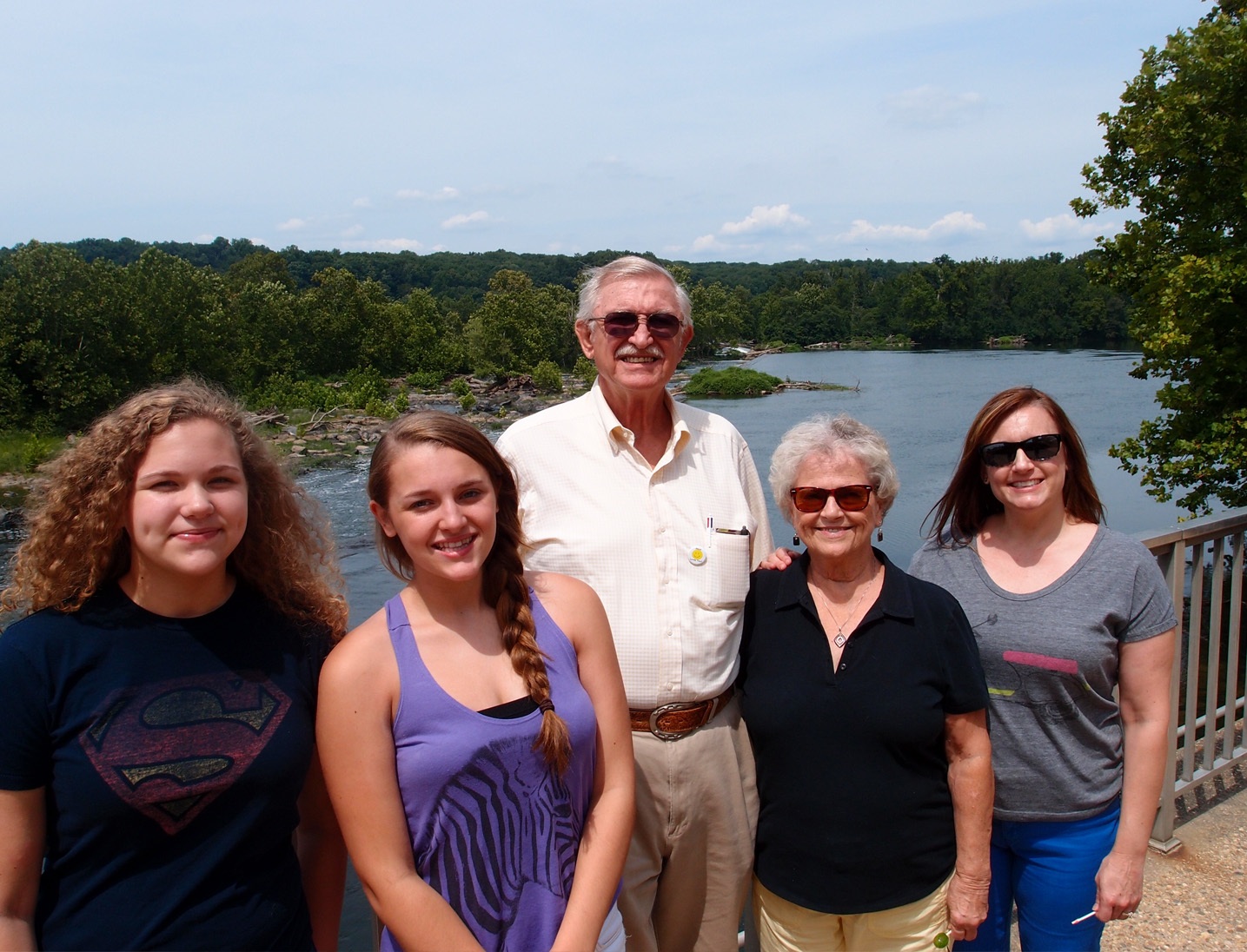
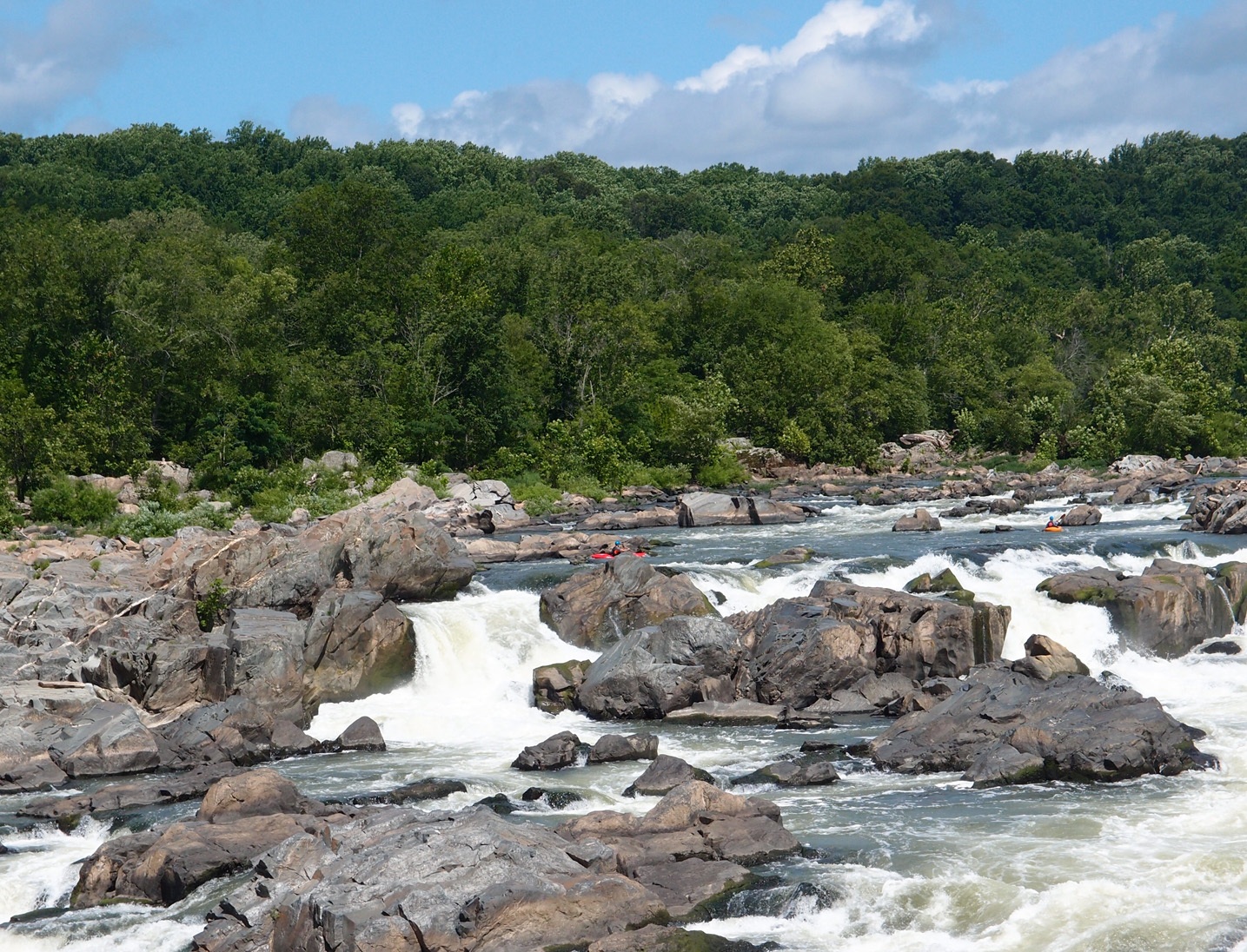
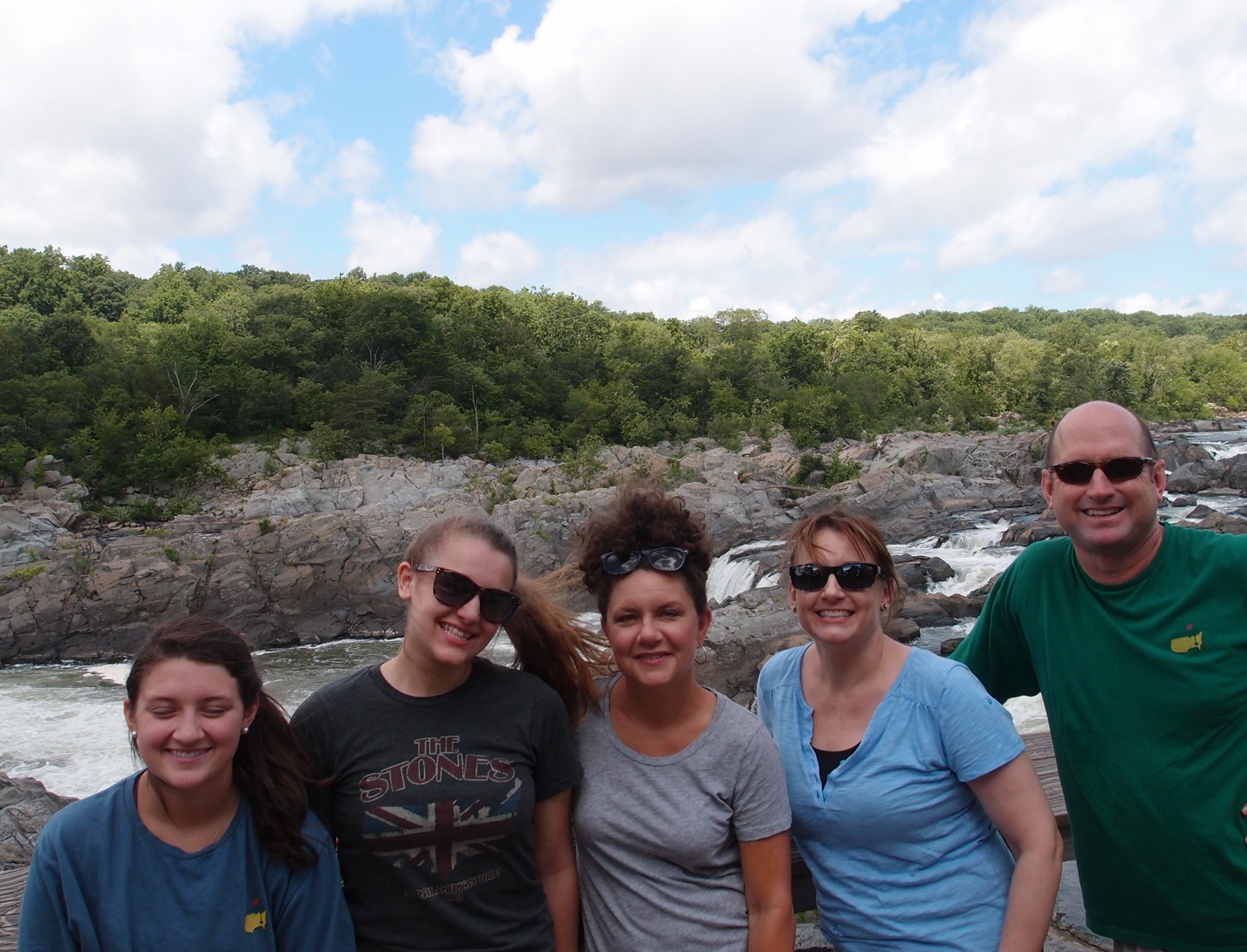
When my family lived in Arlington, Va., Great Falls in Maryland was one of our favorite places to hike and to take our extended family when they came to visit. We had no idea at that time that we were very near where my Lovelace ancestors lived generations earlier.




In addition to Zachia Manor and Great Falls, the map also identifies Port Tobacco, Nanjemoy, Mattapany and several of Maryland’s early proprietary manors, while tiny settlement symbols along the rivers and creeks reveal how closely life in 17th-century Maryland followed its waterways.The map predates Lovelace’s lease but provides an interesting view of the broader landscape in which the early Lovelace family established itself.
Independent Lovelace family researcher Jack D. Lovelace, who has spent decades reconstructing the early Maryland branches of the family from land, probate and other records as well as DNA evidence, identifies John Lovelace in a Dec. 25, 1721, lease for 59 acres within Zachia Manor. Lovelace was leasing within an approximately 8,800-acre proprietary estate belonging to Maryland’s Calvert family in Charles County.

This enhanced detail from James Barry’s 1793 engraving “Religious & Civil Liberty Established in Maryland in 1649” depicts Cecil Calvert, second Lord Baltimore, presenting Maryland’s law to the ancient Greek lawgiver Lycurgus, with William Penn among the historical figures gathered around them. Barry created the work more than a century after the event to credit Maryland and the Calverts with establishing an early form of religious toleration in colonial America. The scene is allegorical rather than a depiction of an actual gathering. Photo credit: Source: Library of Congress Prints and Photographs Division, LC-DIG-pga-00132.
In 1739, records also associate Lovelace with a land plat, certificate and deed for 12 acres called “Hickory Thickett,” again within Zachia Manor.2
Then, in 1740, John appears in records involving 90 acres called “Lovelace’s Addition.” It appears to have been substantial enough to remain identifiable in later deeds. The name certainly stands out. Maryland landowners routinely gave tracts individual names, which is why the old Lovelace ecords are filled with names such as Job’s Comfort, Poor Man’s Hope and Hermitage. Kenneth A. Robb, whose study supplied many of the examples below, worked from Maryland rent rolls that identify the tract, acreage, survey date and original grantee. The colonists seemed to name their land like people today name their boats and beach houses. Here are a few other specific examples shared by Robb:
| The Crow’s Nest – Gurney Crow William the Conqueror – William Ramsey Utopia – Robert Wilson Betty’s Hope – Andrew Insley Betty’s Desire – Andrew Insley Betty’s Chance – Andrew Insley Planter’s Delight – John Hawkins and Thomas Goldsmith Planter’s Neglect – William Hollis Planter’s Paradise – William Cornwallis Hopewell – Richard Hopewell | Plain Dealing – John Parsons Good Hope – James Banister The Garden of Eden – Adam Burchell The End of Controversy – Robert Harwood The Security – William Combs Rehoboth – Capt. John Lee Constant Friendship – Robert Doyne Brotherly Love – Richard Perkins and William Loftin |
John’s land aquisition did not stop with Lovelace’s Addition. The same records associate him with another 12-acre lease in Zachia Manor in 1741 and a 78-acre lease there in 1745. He also acquired 64 acres he called “Poor Man’s Hope.”1
John was repeatedly involved with buying, selling and leasing land in and around Zachia Manor over more than two decades. One transaction is particularly important to my family line.
Sometime during the early 1740s, John gave part of Lovelace’s Addition to his son, John Baptist Lovelace. The original deed conveying the property has not been located and may no longer survive, so the transaction cannot be read today in the document that created it. But a later Charles County deed, dated March 28, 1780, looked backward and specifically referred to 39 acres that John Lovelace had given to his son John Baptist Lovelace.2
That later reference is important to geneaology. It provides evidence of both the father-son relationship and the transfer of land between the two generations.
John Baptist’s Maryland land story therefore appears to have begun with 39 acres carved from his father’s Lovelace’s Addition.
John Baptist and Job’s Comfort
John Baptist eventually accumulated other land interests of his own. One was a tract in Charles County with the memorable name “Job’s Comfort.” John Baptist’s 1765 will left this property to his son Isaac. The surviving transcription of the will gives its size as 120½ acres.
On March 28, 1769, several years after John Baptist’s death, Isaac Lovelace transferred his interest in Job’s Comfort to his stepfather Thomas Robey. The deed described the property as lying in Charles County, bounded by Lovelace’s Addition and containing 121 acres according to a certificate dated Aug. 29, 1750.3
Moving north to Hermitage
At some point, John Baptist shifted the center of his life northward. By the early 1760s, Maryland proprietary land records associate John Baptist Loveless with a tract called the Hermitage.4
On July 13, 1765, while living in Frederick County, he made his will. The Maryland State Archives independently confirms that the will of John Baptist Lovelace of Frederick County was proved on Aug. 16, 1765.5
A surviving transcription contains one especially revealing phrase. John Baptist left Eleanor 129 acres “being part of a tract called ‘Hermitage,’ whereon I now live.”6
Those five words — “whereon I now live” — are among the most useful pieces of evidence we have about him. According to his will, John Baptist was living there in 1765; it was his home.

George Alsop’s 1666 “A Land-Skip of the Province of Mary Land, Or the Lord Baltimors Plantation neere Virginia” offered English readers a promotional vision of colonial Maryland, complete with rivers, scattered settlements, wildlife and Indigenous inhabitants. Alsop, a former indentured servant in Maryland, published the image with his “A Character of the Province of Mary-Land,” an enthusiastic account intended in part to encourage settlement in the colony. Image source: George Alsop, “A Character of the Province of Mary-Land” (London, 1666); Maryland State Archives.
He gave Eleanor the use of those 129 acres of Hermitage during her lifetime, together with part of an adjoining resurvey extending toward a feature identified in the transcription as John Locklon’s spring branch. After Eleanor’s death, that property was to be divided among their sons William, Elias and Luke. Son Charles received the remaining portion of the land.7 This is how they made certain the land would stay within the family. Women could use the land during their lifetimes, but at their death, it would be passed to sons.
Son Isaac, meanwhile, received the roughly 121-acre Job’s Comfort property back in Charles County.7
John Baptist was therefore holding land interests in two different parts of colonial Maryland when he died: the older family property in Charles County and his home place farther north in Frederick County.
What the land tells us
Taken together, these records trace more than property. They show the movement of a family across colonial Maryland as they sought opportunities for success for their family. This is a pattern that would be followed for generations to come.
The records do not yet tell me exactly where John Baptist’s house stood within Hermitage, what that house looked like, how much of the 129 acres was cleared, what crops he raised there or exactly how wealthy he was.
However, nearly three centuries later, names written into old Maryland deeds and other records — Zachia Manor, Hickory Thickett, Poor Man’s Hope, Lovelace’s Addition, Job’s Comfort and Hermitage — allow me to follow two early generations of my family across one of the oldest parts of our country. Even more special to me is the fact I have been there with members of my own family.
John passed part of his land to John Baptist. John Baptist added other holdings, moved his household north and, shortly before his death, carefully divided those land interests among his wife and sons.
John Baptist Lovelace died in Frederick County, Maryland, in 1765, several years before members of his family began moving south. After his death, his widow, Eleanor, married Thomas Robey, and by the early 1770s members of the combined Lovelace-Robey family were establishing themselves in Rowan County, North Carolina. Thomas Robey and John Baptist’s son Isaac acquired land there in 1772, and other Lovelace children followed.
For men who left behind no paintings or old photographs and few, if any, written words, the land records are the closest thing we have to a small glimpse into their lives.
For more of my genealogy research, visit rscottwilliams.info.
Notes:
- Jack D. Lovelace, “Early Lovelace Ancestors Originating in Maryland,” in The Lovelace-Loveless Family in America, Part Two, compiled genealogical research. Lovelace’s chronology associates John Lovelace with a 59-acre Zachia Manor lease in 1721; the 12-acre Hickory Thickett tract in 1739; 90-acre Lovelace’s Addition in 1740; leases of 12 acres in 1741 and 78 acres in 1745; and 64-acre Poor Man’s Hope. These individual Charles County records have not yet all been independently checked against their original manuscript images for this article, so I am treating the compilation as a guide rather than converting every entry into an unqualified claim of ownership. ↩︎
- A later transcription of a Charles County deed dated March 28, 1780, preserves the statement that John Lovelace, deceased, had given 39 acres of Lovelace’s Addition to his son John Baptist Lovelace. The original deed making the earlier gift has not been located. “Maryland Oaths of Allegiance — 1775 to 1786 — Male Names,” Lovelace Family Research Group, Sept. 7, 2021; see also Jack D. Lovelace’s compiled chronology. ↩︎
- Charles County Land Records, Deed Book No. 3, p. 614, deed dated March 28, 1769, recorded Sept. 9, 1769, transcription reproduced in “Isaac Lovelace,” XPDA Family History. The transcription describes Job’s Comfort as 121 acres according to a certificate dated Aug. 29, 1750, bounded by Lovelace’s Addition and held under terms measured by the lives of John Baptist, Eleanor and Charles Lovelace. The original deed image has not yet been independently inspected for this article. John Baptist’s transcribed will gives the acreage as 120½ acres. ↩︎
- Maryland State Archives, Maryland Indexes, Debt Book, Index, MSA S1430; Maryland State Archives, “Information on S12 — Debt Book.” The archival index includes John Baptist/Baptis Loveless in the proprietary land records associated with Hermitage. The Archives describes debt books as records listing landowners, tract names and annual quit rents owed to Lord Baltimore. ↩︎
- Maryland State Archives, Index to Wills, entry for “Lovelace, John Baptist,” Frederick County, will proved Aug. 16, 1765. ↩︎
- “Will of John Baptist Lovelace,” dated July 13, 1765, online transcription reproduced in Vawter Family Genealogy Data. The transcription gives Eleanor 129 acres of Hermitage “whereon I now live,” plus part of the adjoining resurvey; Charles the remainder of the resurvey; and Isaac 120½ acres called Job’s Comfort in Charles County. The Maryland State Archives probate index independently confirms the existence and 1765 probate of John Baptist’s Frederick County will, but I have not yet compared this transcription word for word with an image of the original will. ↩︎


Leave a Reply