
A Few Good Women
When researching their ancestry, most people are hoping that, at some point, they’ll find they are related to a president, a great general or at least a king or two. Up until now, I have uncovered your basic assortment of early settlers, farmers and the like.
But last week, I found a couple of men in the Lovelace line that were STEM superstars, so I thought I would dig a little deeper.
My third great-grandfather, Thomas Lovelace (1772-1829), moved to Haywood County from Iredell County, North Carolina with his wife, Amelia Permela Dyson (1761-1828). One of his sons, Levi (1804-1871) migrated to Franklin County, Missouri, right before the Civil War.
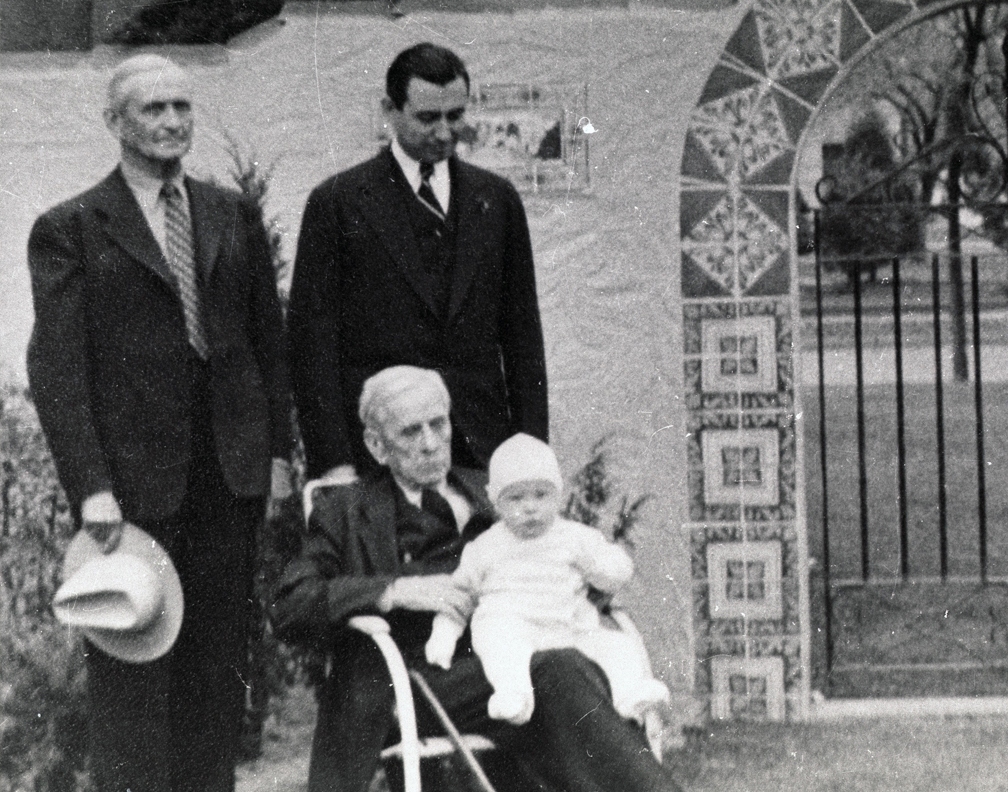
Levi had a son named Thomas Jones Lovelace (1824-1897) who was the father of John Lazarus Lovelace (1860-1943) who was the father of Edgar (1881-1971) and William Randolph Lovelace (1883-1968). William became a doctor, as did his nephew, Edgar’s son, Lt. Col. William “Randy” Lovelace II.
The Lovelace Legacy
Dr. William Randolph Lovelace was born in Missouri in 1883 and trained in medicine in St. Louis. He moved to New Mexico after a diagnosis of tuberculosis and established a medical practice that grew into the Lovelace Clinic and later the Lovelace Foundation in Albuquerque. Over time, his work expanded beyond patient care into research, particularly in aviation and high altitude medicine.
During World War II and the years that followed, Lovelace conducted research into how the human body responds to extreme altitude and reduced oxygen. He tested oxygen breathing equipment designed to help pilots survive at high elevations and even conducted a high altitude parachute jump himself as part of that work. His research also examined pilot fatigue and the movement of air within the chest, including conditions such as pneumothorax, which had direct implications for both aviation and medical treatment.
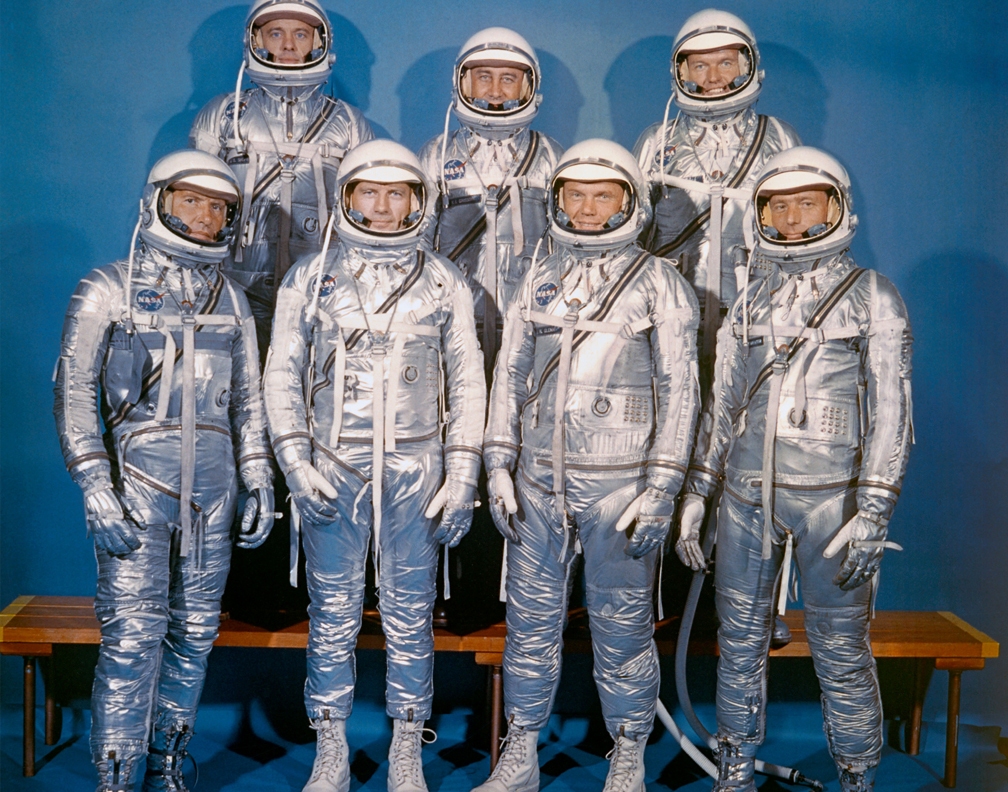
By the late 1950s, the work of “Uncle Doc,” as he was affectionately called, intersected with the early space program. The Lovelace Foundation was selected by the federal government to conduct medical testing on astronaut candidates. In 1958 and 1959, the foundation evaluated dozens of applicants and helped identify the first group of American astronauts for the Mercury program. These tests were designed to determine how well the human body could withstand the stresses of spaceflight, including isolation, acceleration, and extreme environmental conditions.
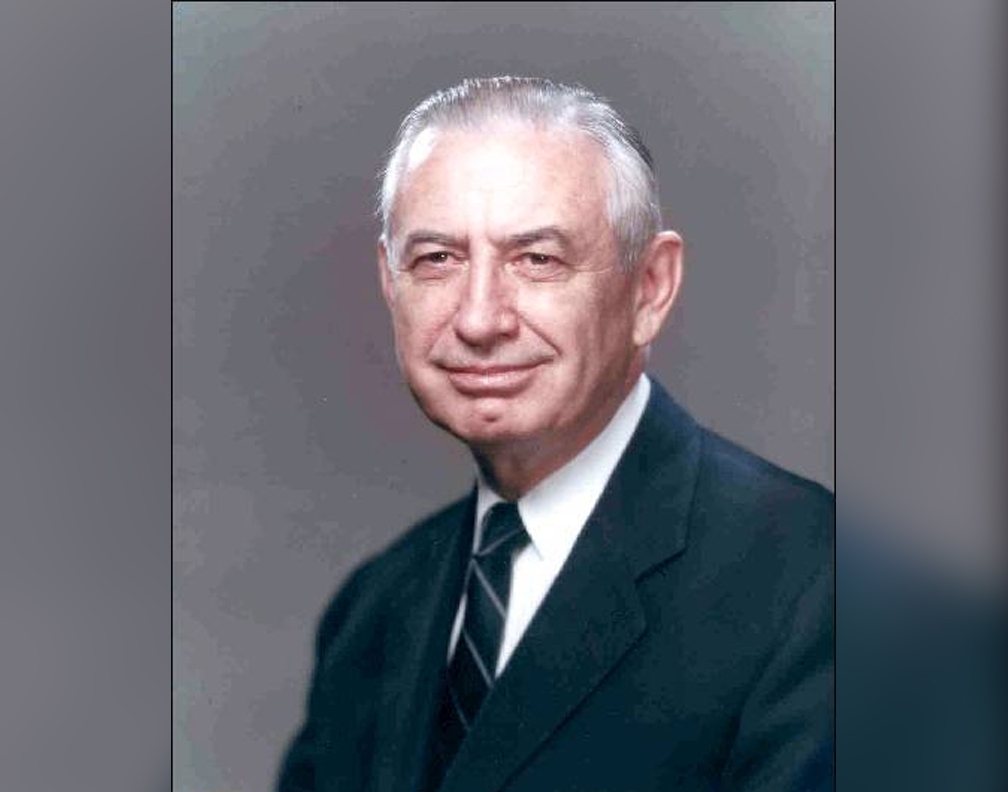
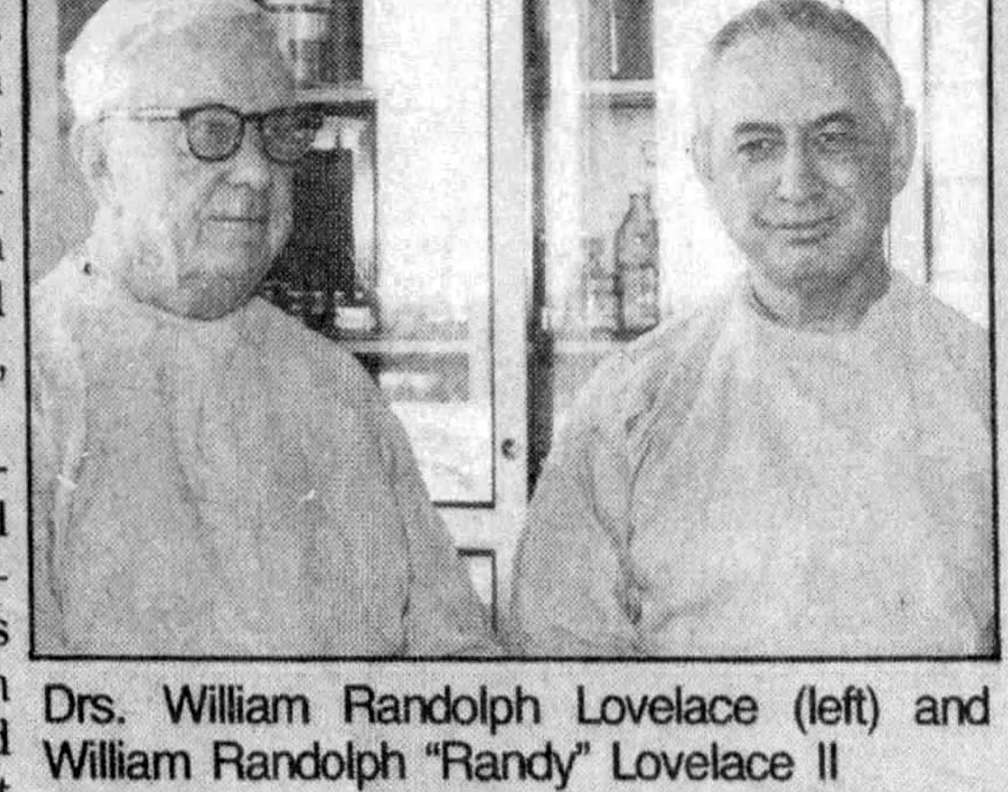
While Uncle Doc never married or had children of his own, he was especially close to his nephew, William Randolph “Randy” Lovelace II, who had followed a similar path. Randy became a physician and worked in aerospace medicine, contributing to ongoing research in aviation and space related health. Under his involvement, work continued on oxygen systems, pilot performance and the broader field of aerospace medical research. To those working with both men, they were refered to as “Dr. L-I and Dr. L-II.”
America’s First Astronauts
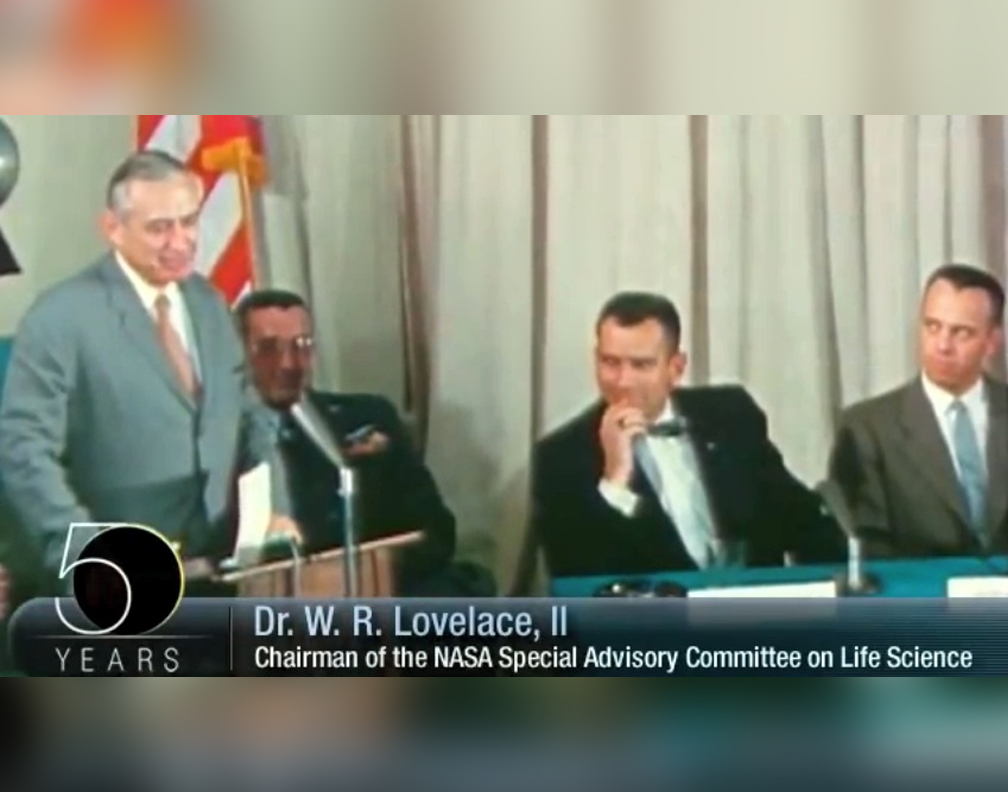
In the early years of the space race, Dr. Randy Lovelace, helped develop the medical testing used to select America’s first astronauts. As part of that program, he conducted a privately funded series of evaluations on a group of experienced female pilots at his clinic in Albuquerque. Using the same testing protocols applied to male astronaut candidates, thirteen women successfully completed the examinations.
The effort was not sponsored by NASA, and the women did not meet NASA’s requirement that astronaut candidates be military test pilots, a role unavailable to women at the time. As a result, the testing program did not continue. The group of women later became known as the “Mercury 13,” and were featured in a Netflix documentary with that title.
In 1965, just a year after he was appointed NASA’s Director of Space Medicine, Randy Lovelace, his wife Mary and their pilot were killed in a plane crash near Aspen, Colorado. The pilot, Milton Brown, lived long enough after the crash to find the bodies of Lovelace and his wife, place them side by side and cover them. The pilot had also died by the time first responders could make it to the crash site. Lovelace was serving as director of space medicine at the time of his death. His loss was significant loss in that field.
Dr. Lovelace was one of America’s outstanding leaders in the fields of medicine and science, and he will be sorely missed, both in our state and our nation… —New Mexico Governor Jack M. Campbell 1
Uncle Doc Lovelace lived three more years, dying in 1968 at the age of 85. Accounts written after his death emphasized both his role in establishing the Lovelace Clinic and his contributions to aviation and space related medical research.
At his memorial service, the minister noted when Doc Lovelace’s nephew died, his dreaming ended. “Uncle Doc, who had always been young at heart, became an old man overnight,” said the minister. “His passing in the early morning hours on Wednesday was only a postscript. The heart of him had died when death came for Randy and Mary.” 2
Today, Lovelace Biomedical is a world-renowned research center focused on respiratory and inhalation toxicology research.
For more of my genealogy research, visit rscottwilliams.info.
Photo Gallery


Leave a Reply