
I’ve been researching my Joyner family for the last few weeks and am getting close to having enough confidence in the information to upload more of it to my website. One ancestor in particular is making me want to plan a trip to England.

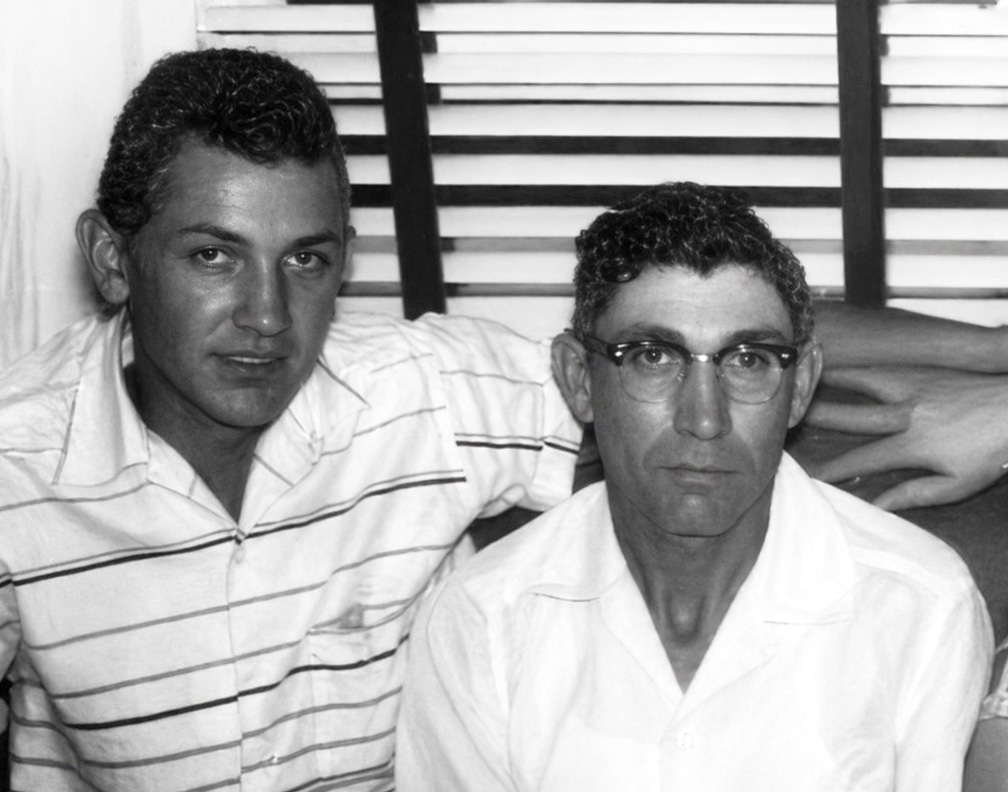
My father, Bob Williams, and grandfather Lloyd “Bo” Williams
My grandfather Lloyd “Bo” Williams’s (1910-2008) maternal grandmother was Mary Elizabeth Joyner Williamson (1862-1898). Based on family research and compiled genealogies, my Joyner line appears to run from her back through Alfred Bunn Joyner (1810-1899), Littleton Bunn Joyner (1782-1852), Thomas Littleton Joyner (1762-1824), Absalom Joyner (1720-1790), John Joyner (1696-1748), Bridgeman Joyner (1656-1719) and Thomas Joyner of Isle of Wight (1619-1698). The earlier connection from the Virginia Joyners back to Thomas Joyner (1595-1656) of Bere Regis, Dorset, in England, is plausible but not fully proved.

The Royal Oak in Bere Regis, Dorset
Even so, Thomas Joyner of Bere Regis remains a fascinating figure worth exploring. Probate material and local history sources found in Dorset, the county where you can find Bere Regis, indicate that he operated the Royal Oak Inn in the mid-1650s. The present Royal Oak building appears to date mainly from the early nineteenth century rather than surviving unchanged from the 1650s. However, it sits on a site with a much older history that reaches back at least into the early seventeenth century. Thomas was a proprietor of that earlier inn and, after his death, his widow, Maude Joyner (unknown-1674), appears to have continued operating it. According to records, the property remained tied to the Joyner family long enough that it was reportedly known as “Joyners” for years before the name Royal Oak became standard.
St. John the Baptist Church in Bere Regis
Thomas Joyner’s will, proved in 1658, requested burial in the churchyard at Bere Regis, the burial ground surrounding St. John the Baptist Church, as near as possible to the place where two of his earlier wives had already been buried. That same church, St. John the Baptist, later gained literary fame through its connection to Thomas Hardy’s “Tess of the d’Urbervilles.”

Thomas Hardy’s “Tess of the d’Urbervilles,” Harper & Brothers edition, New York, 1921. First published in 1891, the novel is linked to St. John the Baptist Church in Bere Regis through the Turberville family connection that helped inspire Hardy’s famous story.
St. John the Baptist Church later gained literary fame through its connection to Thomas Hardy’s “Tess of the d’Urbervilles.” The novel first appeared in censored serialized form in “The Graphic” in 1891 before being published as a book. Today it is considered a classic, though it shocked some readers when it first appeared because Hardy pushed against the moral expectations of his time.
Bere Regis today is a village with a shop, a post office and two pubs. It is also within easy day-trip range of some of the best-known historic and scenic places in southern England. Add in names like Puddletown, Tolpuddle and Affpuddle nearby, and the whole area sounds like it ought to be populated by characters from a children’s book.

The Royal Oak in Bere Regis today
Just from a little online research, it looks like anyone interested in discovering more about family connections or local history associated with Bere Regis would find enough records and information to keep them busy. The Dorset History Centre in Dorchester, which serves as the county’s archives service and local studies library and holds Bere Regis parish and local records.
Because the early parish registers for Bere Regis were largely lost in a 1788 rectory fire, surviving records will likely need to be supplemented with other sources, including probate material, later parish registers and local-history collections. It appears the Bere Regis History Society and village history website can also be helpful for background and leads.


Leave a Reply