
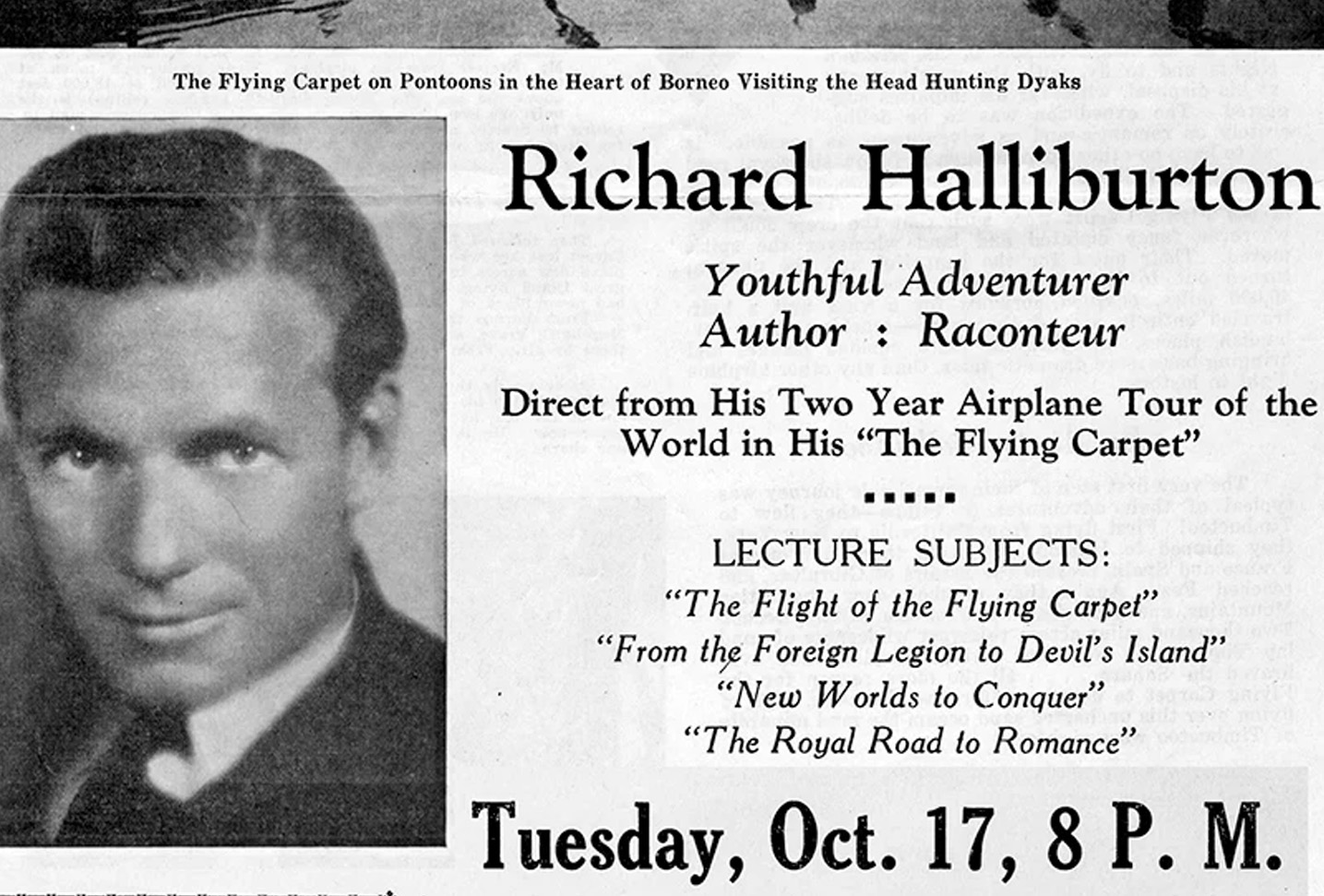

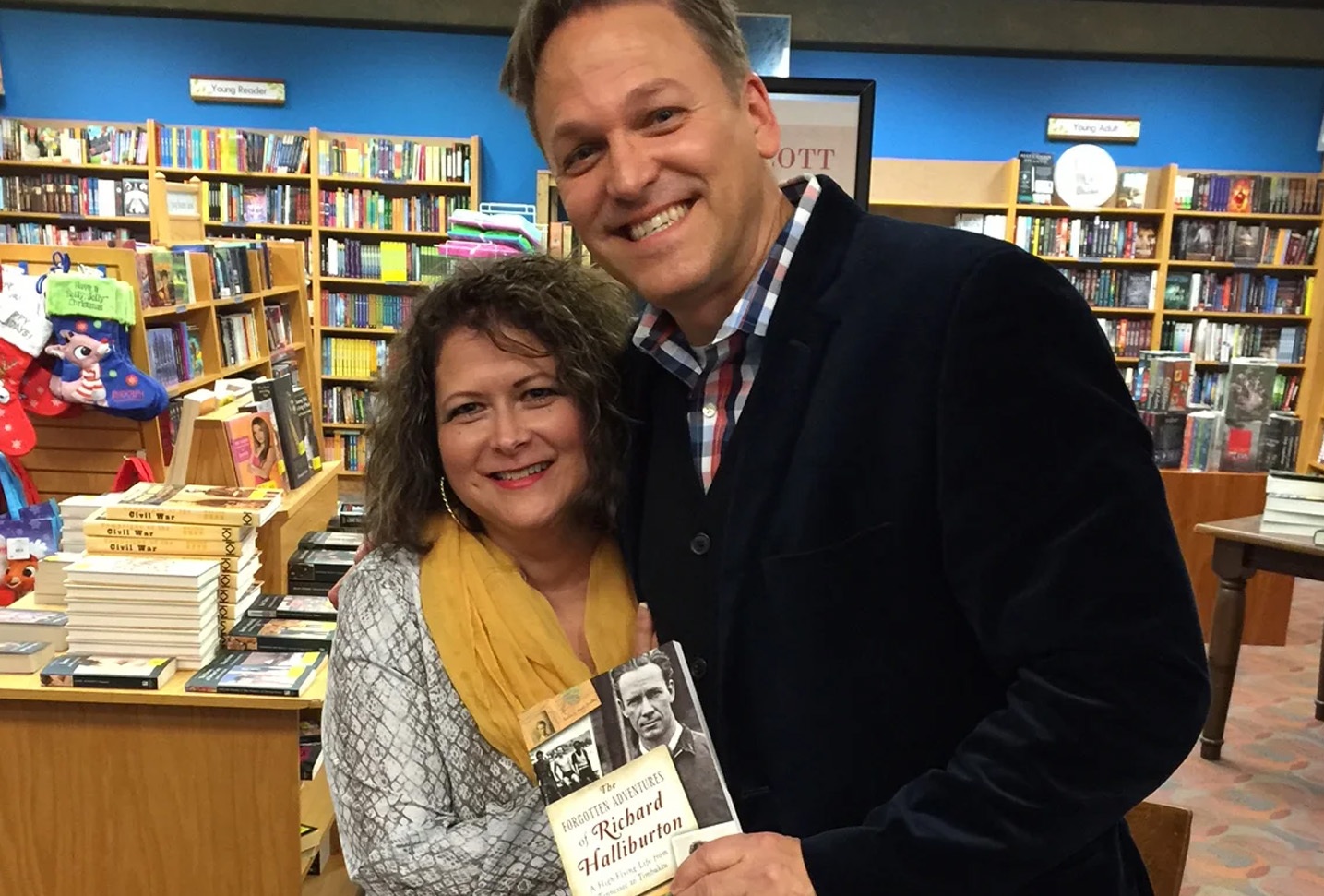
My new biography of Richard Hallibuton is now out.
Back in 2012, I shared a blog post here about Richard Halliburton who was born in Brownsville, Tennessee. An editor from The History Press liked the post and asked me if I had ever considered writing a book about Halliburton.
Until that moment, I had not. But here we are two years later, and my biography of Richard Halliburton, “The Forgotten Adventures of Richard Halliburton: A High-Flying Life from Tennessee to Timbuktu” is now on Amazon and in select bookstores.

Today, the McLemore-Thomas House at 719 Key Corner St. in Brownsville’s College Hill Historic District is listed on the National Register of Historic Places.1
Richard Halliburton (1900-1939) was born on Jan. 9, 1900 in the upstairs north bedroom of a house you can still find in Brownsville, Tennessee, the McLemore-Thomas House. His parents, Wesley and Nelle Nance Halliburton, were boarding there at the time.2 The family moved to Memphis shortly after his birth, but Halliburton returned to Brownsville frequently as a child to visit family.
From that quiet beginning in West Tennessee, Halliburton would become one of the best-known travel writers and adventurers of the 20th century.
An early desire to escape
Halliburton grew up in comfortable and well cared for in present-day Midtown Memphis, but he was a frail boy who dealt with a variety of illnesses. His healthy, athletic brother, Wesley Jr., died Jan. 1, 1918, at age 14, reportedly after an illness associated with rheumatic fever or an undetected heart condition.
As a teenager, Richard spent time at the Battle Creek Sanitarium in Michigan, the health institution operated by physician and dietary reformer John Harvey Kellogg. There he made friends with wealthy, young Easterners from whom he learned there was a world far from Memphis waiting to be discovered.

Pictured is Richard Halliburton’s travel documentation for Mexico in the summer of 1928. He sailed from New Orleans to Vera Cruz and then walked the 230 miles to Mexico City. From his Panama Canal swim to the adventures with his monkey, Nino, his adventures were documented in a series of articles for “Ladies Home Journal” and the book “New Worlds to Conquer.” Photo credit: The Michael E. Blankenship Collection in the Halliburton Archives, Rhodes College
Halliburton later attended Princeton University. In 1919, at age 19, he left college and signed on as an ordinary seaman aboard the freighter Octorara, that sailed from New Orleans to England. He explored London and Paris before returning to Princeton, where he graduated in 1921.
His early travels ignited a desire for adventure. Halliburton rejected the conventional expectations of a 40-hour workweek, marriage and traditional respectability. Instead, he wanted to experience the places he had encountered in literature, mythology and history.
He wrote in his first book, “The Royal Road to Romance:”
“I wanted freedom. Freedom to search in the farthermost corners of the earth for the beautiful, the joyous and the romantic.”
—Richard Halliburton

The making of a celebrity
Halliburton transformed his travels into books, magazine articles, syndicated newspaper columns, lectures and radio appearances. His first book, “The Royal Road to Romance,” printed by the Bobbs-Merrill Company of Indianapolis, appeared in 1925 and became an international bestseller.
It established the public face Halliburton would wear for the rest of his life: the handsome, daring “boy adventurer” who seemed willing to attempt anything. Like Peter Pan, he refused to grow up.

Articles clipped by Richard Halliburton’s father and saved in one of his many scrapbooks. Photo credit: The Michael E. Blankenship Collection in the Halliburton Archives, Rhodes College
Halliburton climbed Mount Olympus in Greece, the Matterhorn in the Swiss Alps and Mount Fuji in Japan. He slept atop the Great Pyramid in Egypt, retraced the journey of Odysseus and rode an elephant across the Alps in imitation of Hannibal.
He swam the Hellespont, portions of the Nile, the Grand Canal in Venice and the reflecting pool at the Taj Mahal. In 1928, he swam the 51-mile length of the Panama Canal in stages, becoming the only person classified as a ship by canal authorities and paying a toll of 36 cents.
Halliburton spent time among prisoners on Devil’s Island, lived on Tobago while pretending to be Robinson Crusoe and dove into the sacred well at Chichen Itza in Mexico. He also bought a small airplane, named it the Flying Carpet and flew across Africa to Timbuktu.

From left, friend and pilot Moye Stephens and Richard Halliburton
With pilot Moye Stephens at the controls of a modified Stearman C-3B open-cockpit biplane named The Flying Carpet, Halliburton photographed the Taj Mahal and Mount Everest from the air. The flights allowed readers who had never left their hometowns to see distant landmarks in an entirely new way.

Today, Halliburton’s writing style would be considered highly theatrical and hyperbolic. While his descriptions blended history, autobiography and entertainment, he did not consider himself a journalist. He occasionally took liberties with the facts. With Halliburton behind the typewriter, the lines between documentary reporting, storytelling and theatrical performance were unapologetically blurred.
Readers loved it. They bought his books, newspapers printed his articles from around the world and crowds gathered to hear his lectures. At one point, he reportedly delivered as many as 50 lectures a month.
Introducing a Halliburton article in Sept. 11, 1927, The Kansas City Star described him as representing “the romantic spirit of youth — the desire to do-and-dare, to fulfill dreams regardless of consequences.”
The description captured the image Halliburton carefully cultivated. Like Amelia Earhart, Charles Lindbergh and Charlie Chaplin, he became more than an individual. He became a recognizable brand.

Wesley and Nelle Halliburton reading a letter from Richard with close family friend Mary Grimes Hutchison (1872-1962), far left. Photo credit: The Michael E. Blankenship Collection in the Halliburton Archives, Rhodes College
Mary Hutchinson, founder of Miss Hutchison’s School for Girls, was a close family friend. She founded her school with the Halliburton’s help in 1902, creating a college-prep education for generations of Memphis girls and establishing what is today one of the city’s leading independent schools. Richard dedicated his 1935 book “Seven League Boots” to Hutchison and often referred to her as his “adopted grandmother.”
Halliburton fit in well with the rich and famous of his day. His friends included fellow-adventurers, journalists, painters, writers, politicians, musicians and entertainers. Known for his unique sense of personal style, good looks and carefree attitude, it was good to have Richard Halliburton at your party.

Richard Halliburton in Hong Kong where the Sea Dragon while the Sea Dragon was under construction. Photo credit: The Michael E. Blankenship Collection in the Halliburton Archives, Rhodes College
The voyage of the Sea Dragon
By the late 1930s, Halliburton’s celebrity had begun to fade. For his next great adventure, he commissioned a 75-foot Chinese junk in Hong Kong and named it the Sea Dragon.
His plan was to sail across the Pacific to San Francisco, where the vessel would become an attraction at the Golden Gate International Exposition. Visitors would pay to tour the junk and take short cruises around San Francisco Bay. Along for the ride was Halliburton’s closest companion, journalist and editor Paul Mooney (1904-1939), with whom he shared a long-term personal, professional and romantic relationship.
A black cloud seemed to hang over the voyage from the beginning. It suffered from financial problems, construction mistakes, crew disputes and repeated delays. Experienced sailors pointed out the vessel was unsuitable for crossing the Pacific and predicted disaster. Nevertheless, the Sea Dragon left Hong Kong in early March 1939 with Halliburton, Mooney and a crew of inexperienced young men whose parents had paid a fee for their sons to be part of the adventure.
About three weeks into the voyage, the ship encountered a powerful storm. Halliburton exchanged radio messages with the ocean liner President Coolidge, reporting water washing across the deck.
One message ended with a characteristically Halliburton-like quip:
“Having wonderful time. Wish you were here instead of me.” —Richard Halliburton
Radio contact was then lost.

Paying my respects at the Halliburton monument in Forrest Hill Cemetery in Memphis. Buried there are Richard Halliburton’s parents, Wesley and Nelle Nance Halliburton, and his brother Wesley Jr. and their family friend Mary Hutchison. Richard has a marker with the inscription “Lost at Sea.” The Michael E. Blankenship Collection in the Halliburton Archives, Rhodes College
No confirmed wreckage, bodies or personal possessions were ever recovered. Halliburton, Mooney and the rest of the crew were presumed lost in the Pacific around March 24, 1939. Halliburton had recently turned 39.
As Americans endured World War II, Halliburton’s world seemed distant. The writer who had once filled newspapers, lecture halls and bestseller lists gradually faded from memory.
It is difficult to comprehend how someone as famous as he became could become so thoroughly forgotten. Smithsonian writer David M. Schwartz compared Halliburton to Marco Polo, Indiana Jones and P.T. Barnum, with the appearance and manners of F. Scott Fitzgerald.3
Halliburton’s father, Wesley Halliburton, offered a simpler description. Remembering his son years after the disappearance, he said:
“Richard was a meteor that blazed across the heavens and was gone.” —Wesley Halliburton

One of the best things about writing the Halliburton biography was getting to make a lot of new friends. A couple of those who were incredibly helpful were, from left, Doug Fetterman, research associate for special collections, and Bill Short, associate director at the Rhodes College Paul Barret, Jr. Library.
Shout out to Rhodes College librarian Bill Short, the longtime steward of the college’s Richard Halliburton Collection, who guided me through the archive and provided invaluable assistance as I researched Halliburton’s life on multiple visits for more than a year.
In many ways, Halliburton was the precurser to personalities such as Michael Palin, Anthony Bourdain, Bear Grylls and Josh Gates who followed Halliburton’s example by turning international travel, personal risk and storytelling into books, television programs and recognizable entertainment brands.

Today, Halliburton Tower at Rhodes College in Memphis commemorates his life. The 140-foot bell tower, completed in 1962, was funded by his father. Rhodes also preserves an extensive collection of his papers, photographs and correspondence.
The meteor that was Richard Halliburton began its journey in an upstairs bedroom in a historic house on Key Corner Street in Brownsville. From there, Richard Halliburton carried generations of readers across oceans, over mountains and into a world that, at the time, appeared limitless.
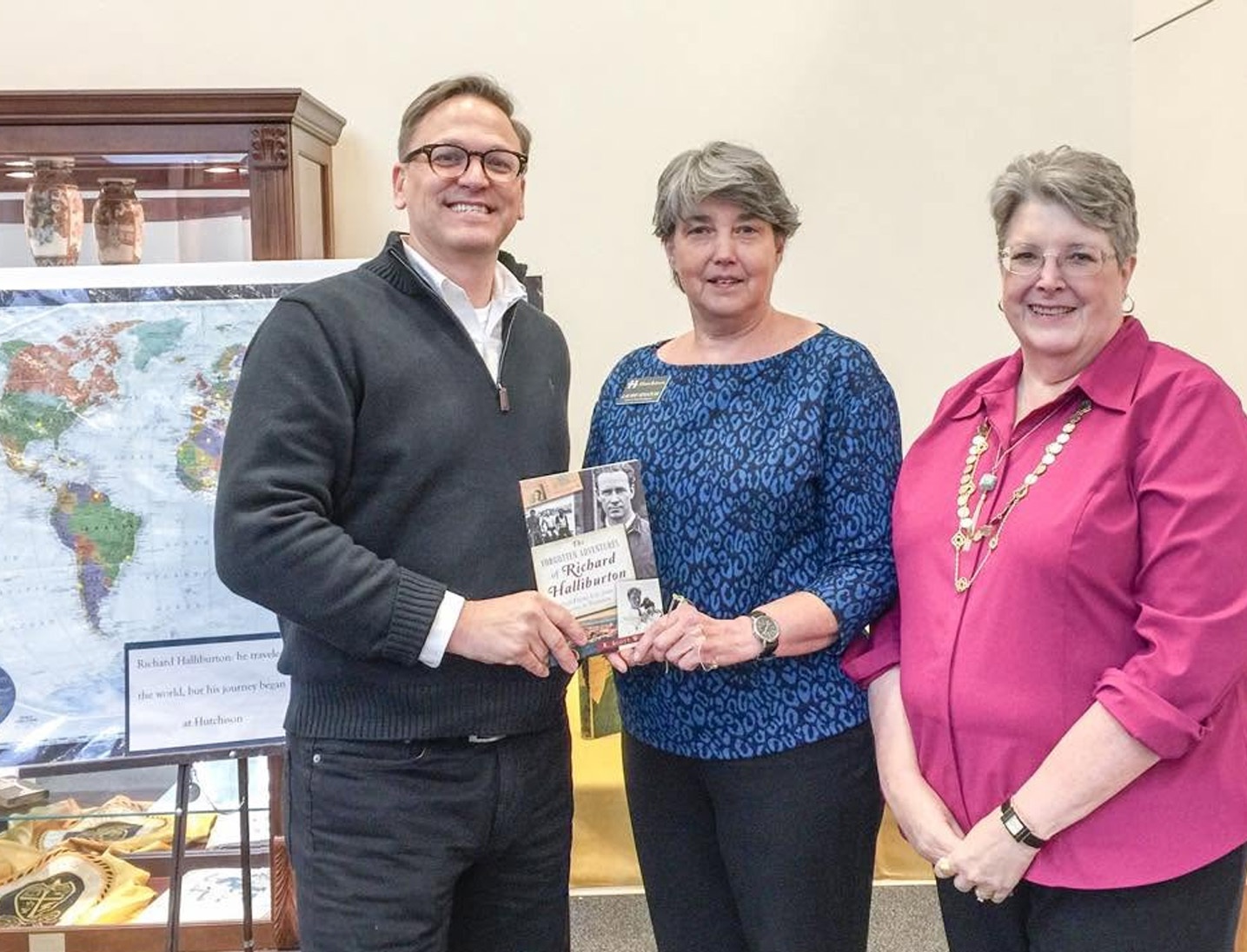
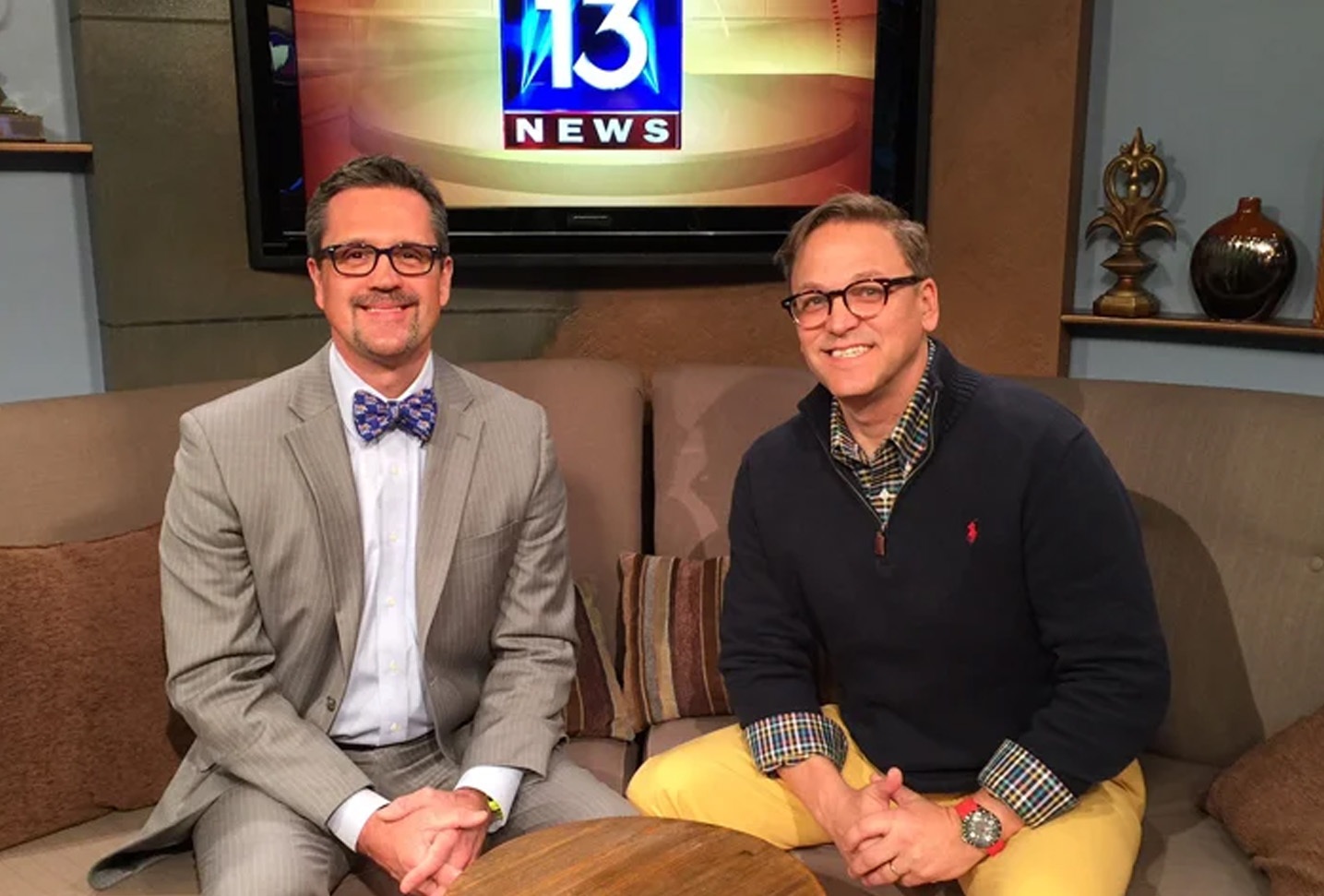
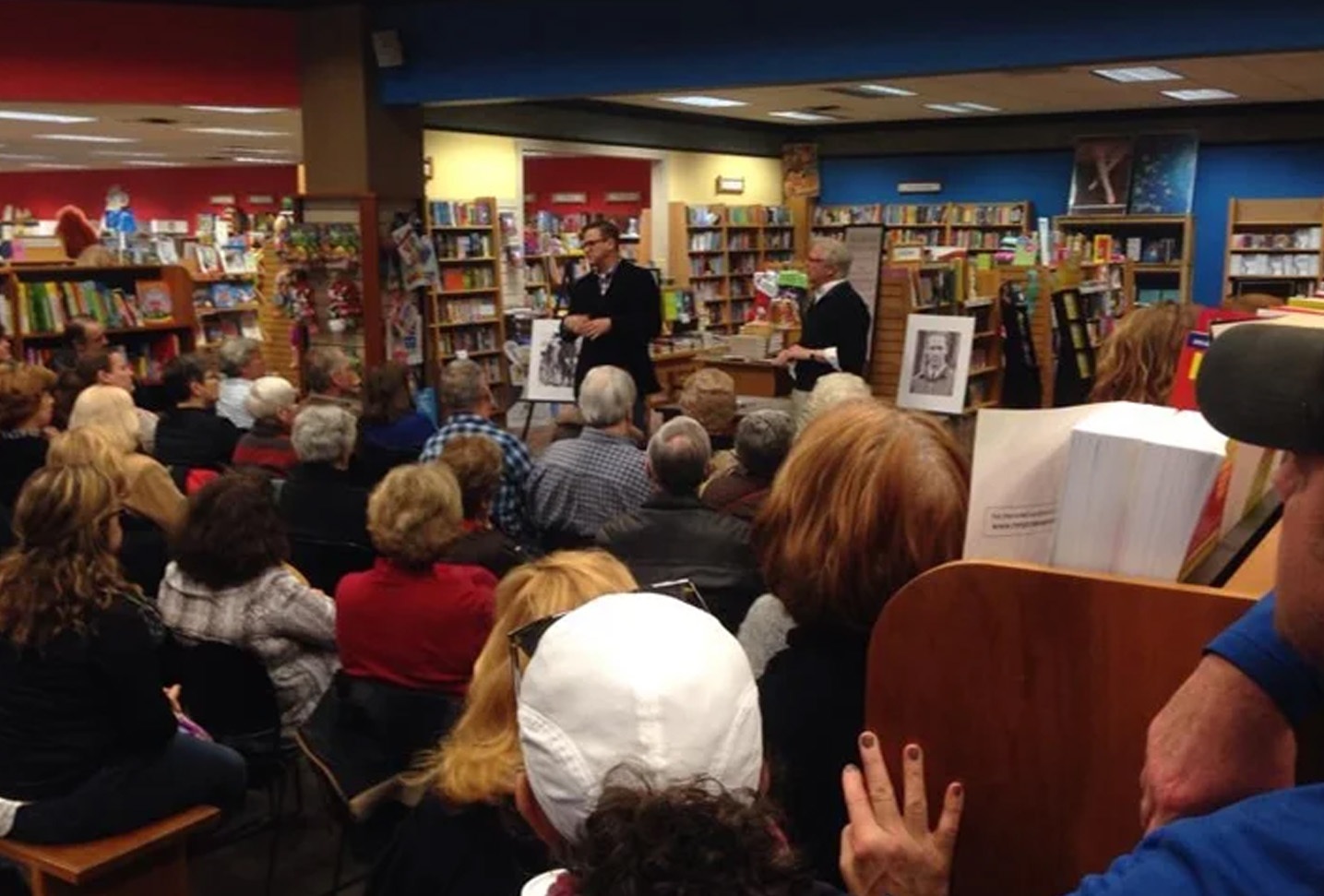
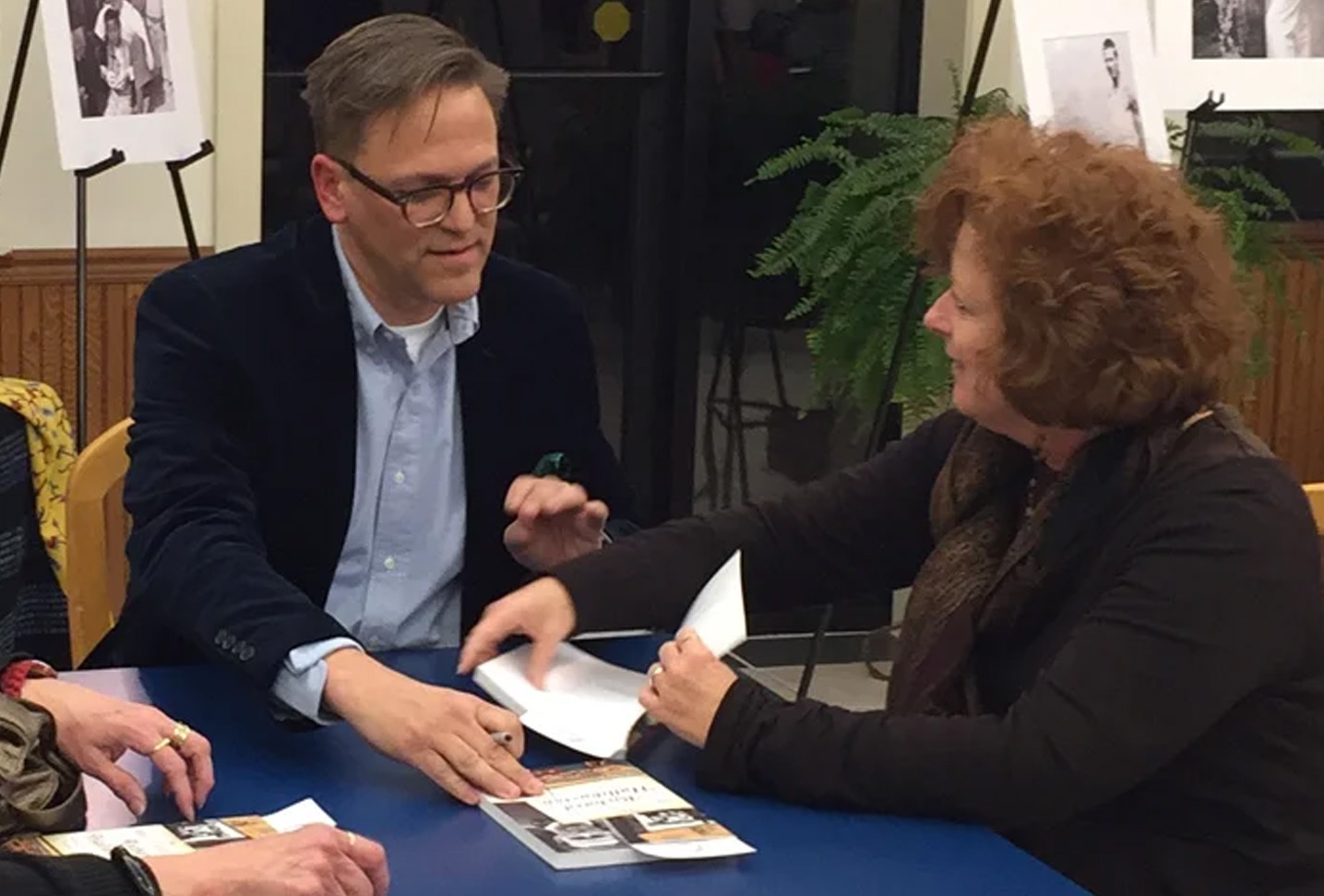
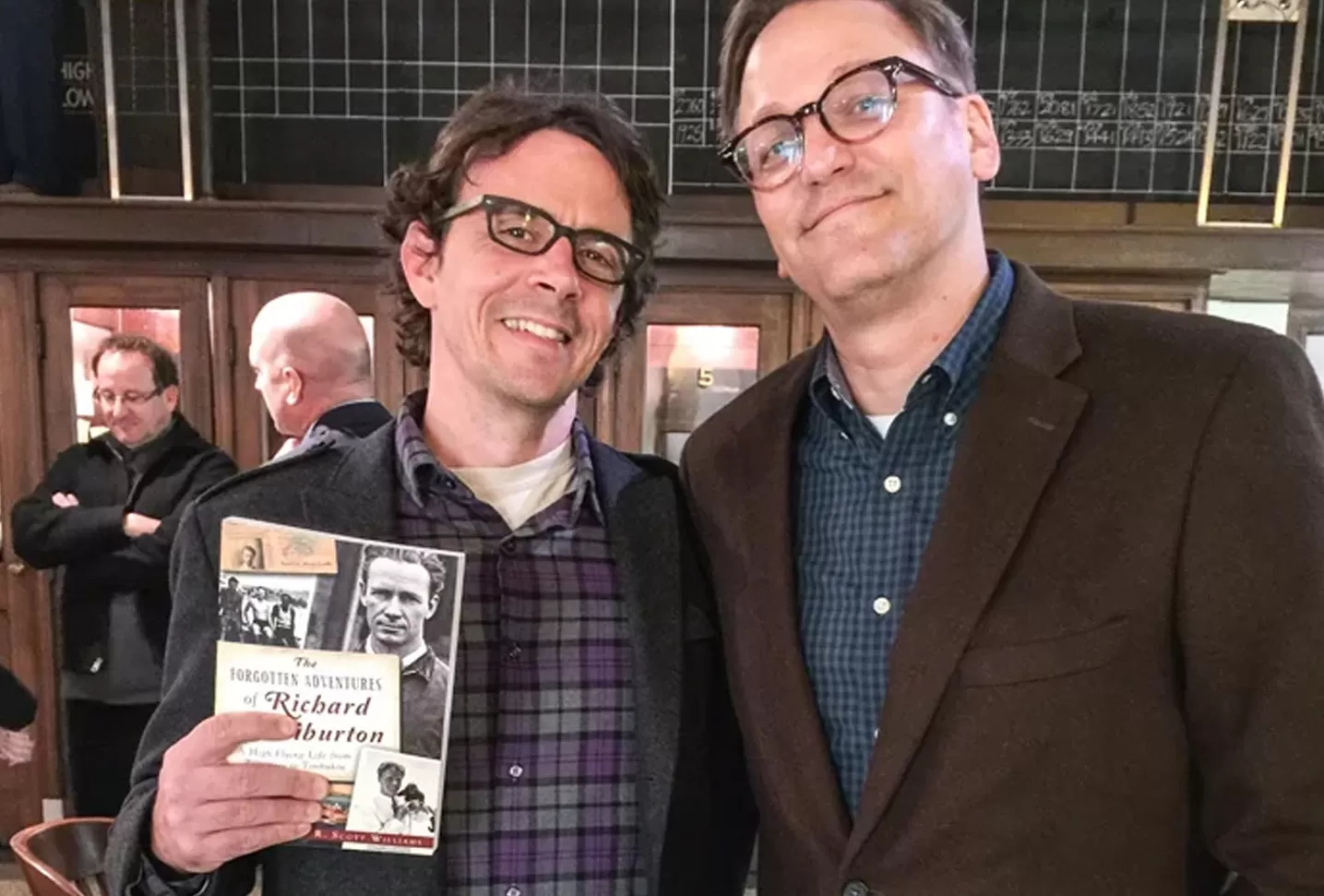
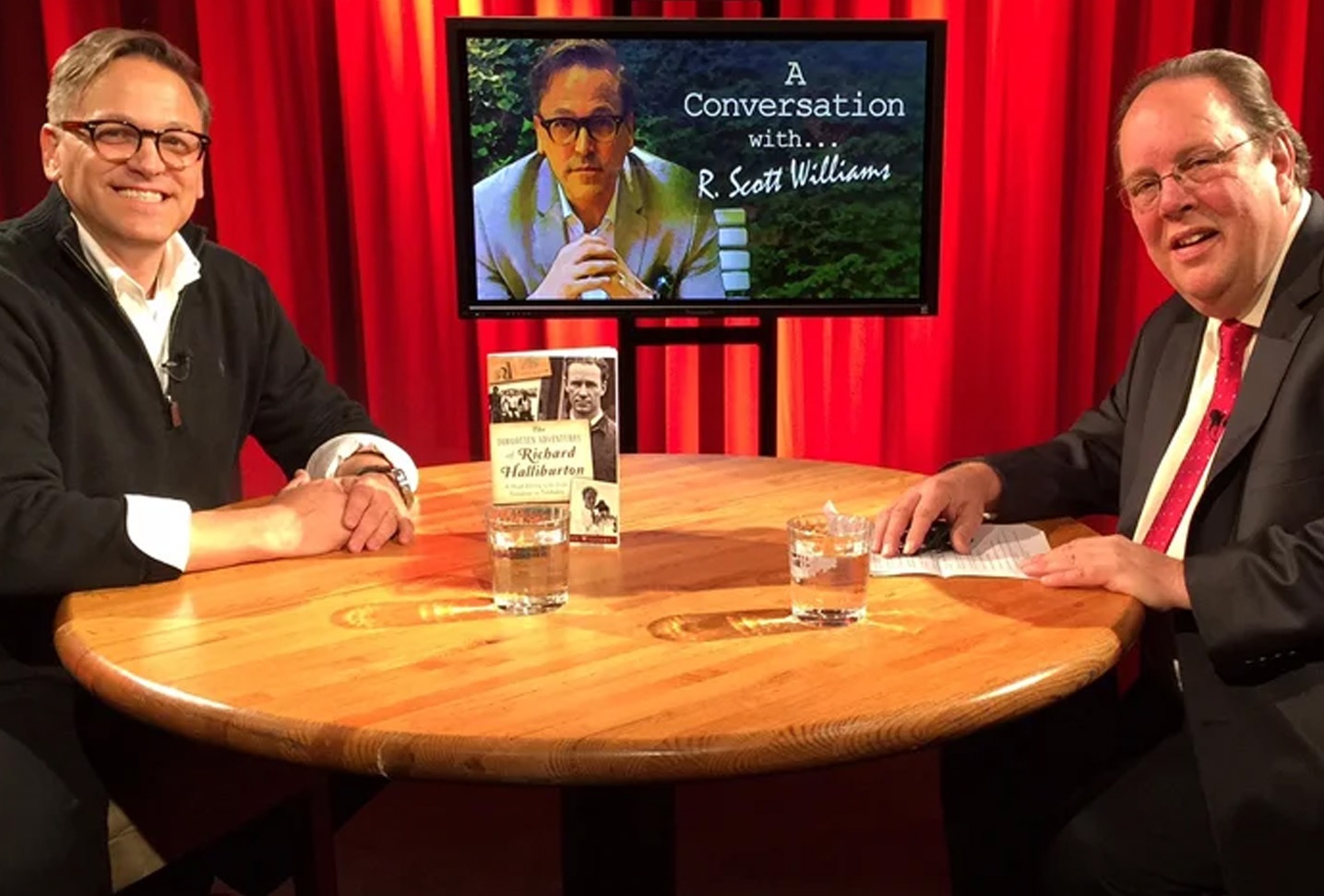
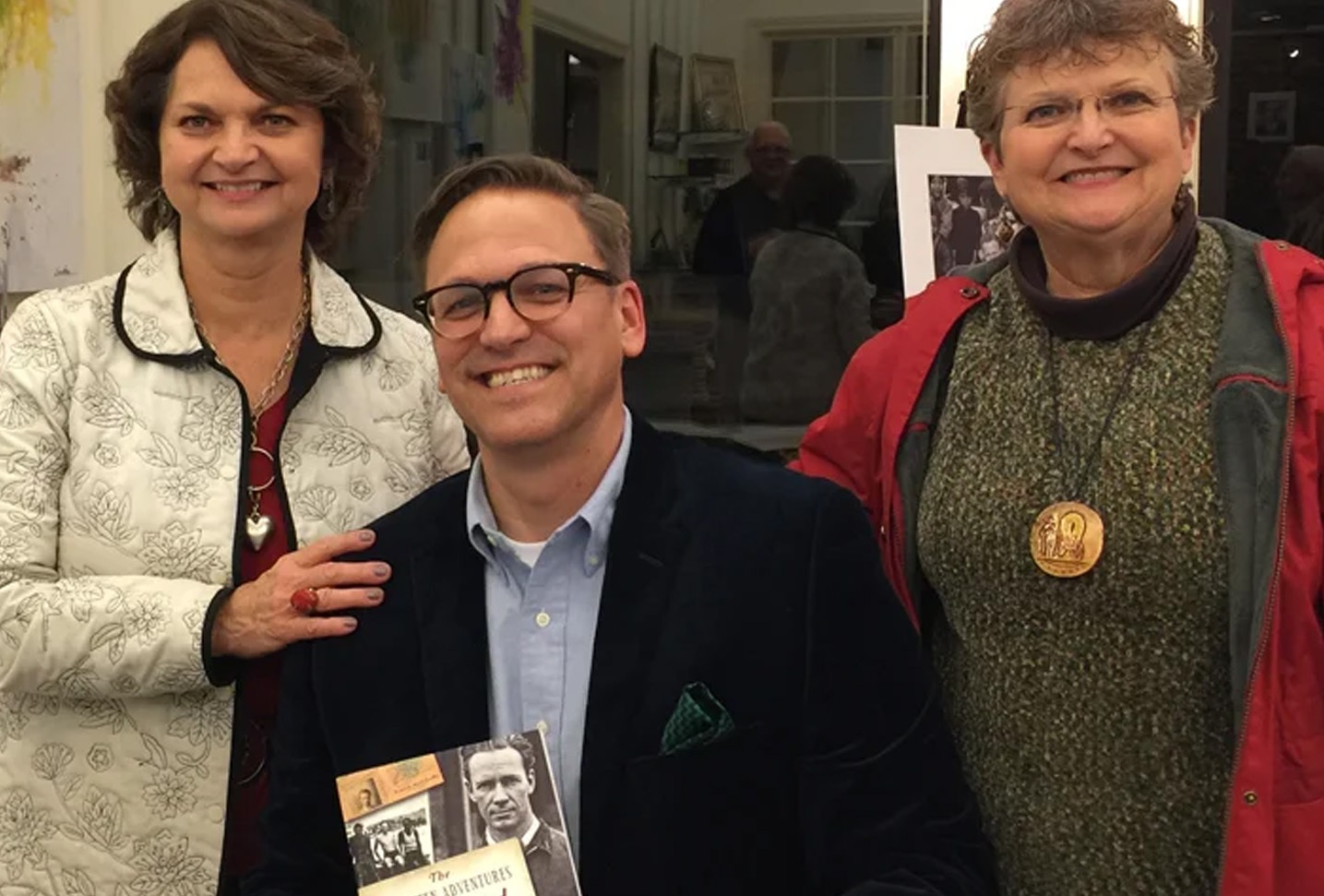
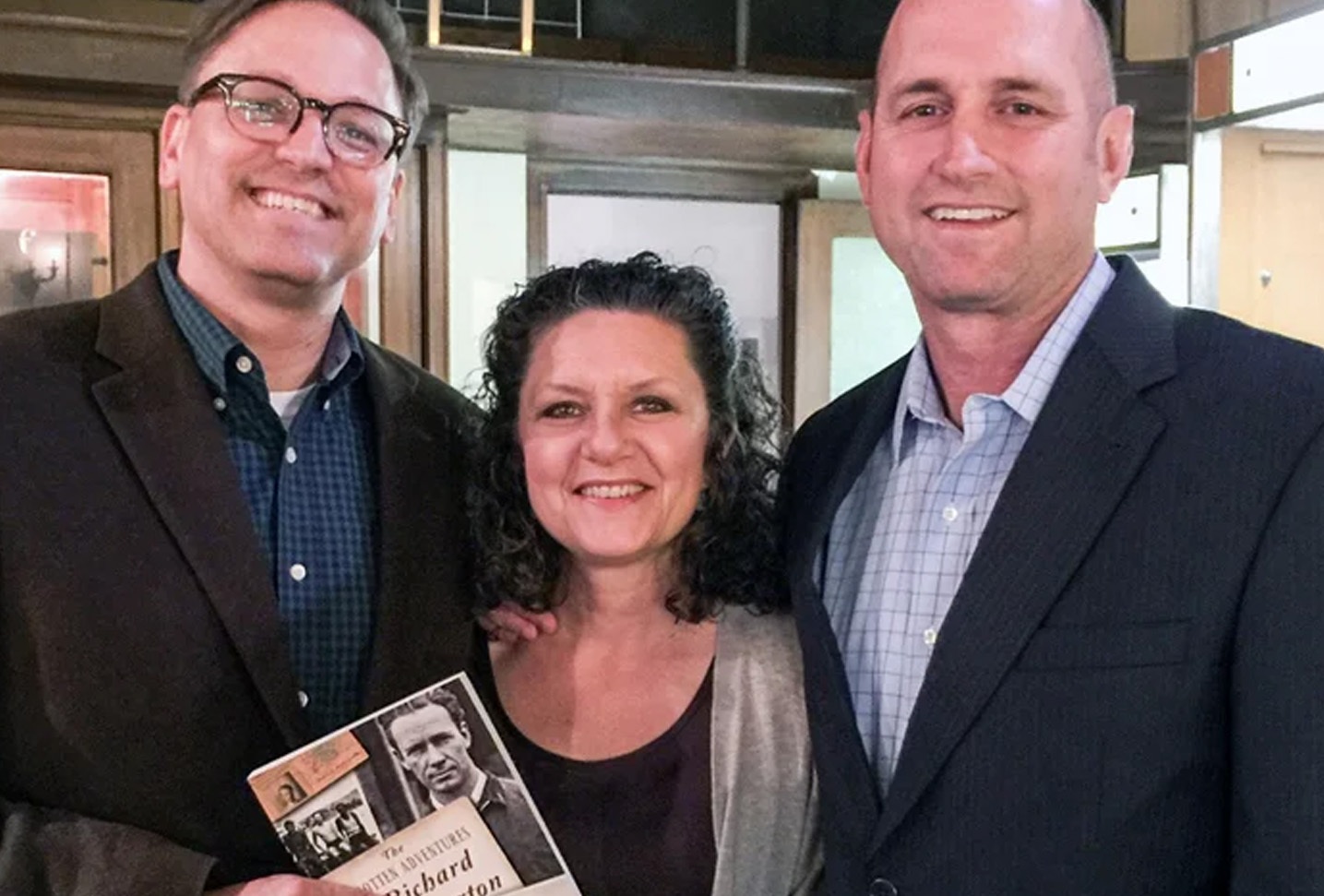
Photos from Book Launch



Notes:
- National Park Service, College Hill Historic District National Register of Historic Places Inventory-Nomination Form, 1980. ↩︎
- Haywood Heritage Foundation, First Annual College Hill Historic District Home Tour, June 3, 2017, 2. ↩︎
- Greg Daugherty, “The Last Adventure of Richard Halliburton, the Forgotten Hero of 1930s America,” Smithsonian Magazine, March 25, 2014. ↩︎


Leave a Reply