
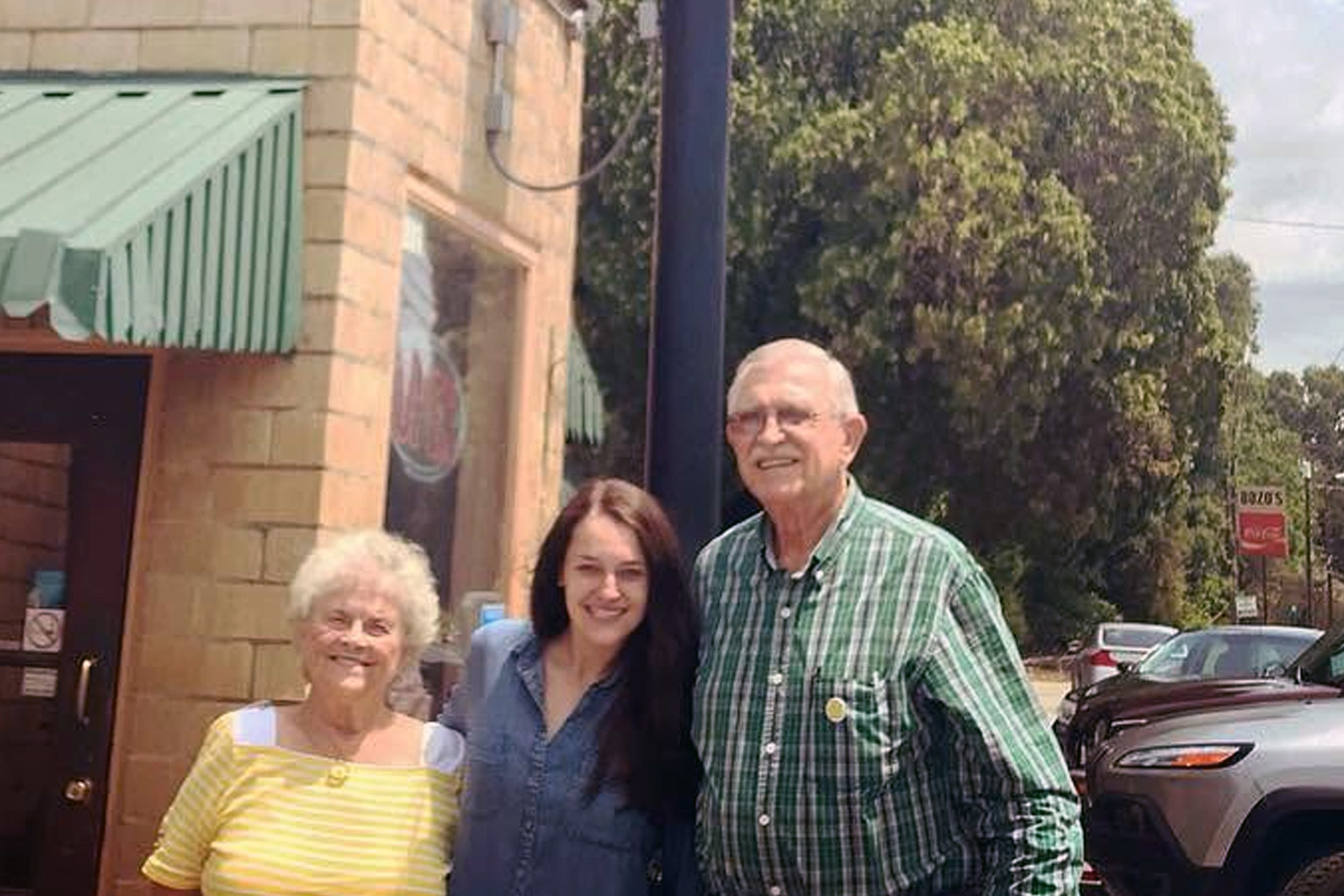
When I was last home, my parents, Alex and I stopped for a quick meal at Bozo’s Hot Pit Bar-B-Q in Mason, Tennessee.
I have eaten at Bozo’s many times through the years with family. During this visit, however, somewhere between devouring a half rack of ribs and a pulled-pork sandwich, I became curious about the restaurant’s history.
While poking around, I discovered an unusual legal battle involving Bozo’s restaurant and Bozo the Clown. Because I work in the museum, tourism and entertainment industries, I love a good trademark dispute, so I decided to learn more.
Bozo Williams
Thomas Jefferson “Bozo” Williams (1876-1935), no relation to my Williams family line, was born in Tipton County, Tennessee, to James “Jeff” Franklin Williams (1842-1900) and Mary Ann Baucum Williams (1846-1920). No one seems to know when or why he acquired the nickname “Bozo,” but it remained with him throughout his life.
On Nov. 27, 1895, Williams married Fannie Cotton Richardson Williams (1876-1960).

Bozo Williams’ daughters Rubye Earl Williams (1916-1991) and Margaret Helen Williams (1917-2004). Photo credit: Mary Lynne Williams.
The couple had 11 children.
Williams opened his first small barbecue stand in Mason in January 1923. The building was so small that it had no tables, and customers ate at a counter. According to the restaurant’s history, a pork sandwich cost 15 cents.

In 1925, after portions of the highway connecting Memphis and Nashville were completed, Williams moved the business to the west side of town. The new location combined a barbecue restaurant with a Shell gas station, allowing him to serve the growing number of motorists traveling through Mason.
Williams moved the restaurant across the road in 1933. That larger building included a counter, eight tables, a potbellied stove and two gasoline pumps. The barbecue pit was behind the restaurant, along with a small room where Williams sometimes slept.
He continued operating Bozo’s until his death from pneumonia in 1935. Four of the children who remained in the Williams household became heirs and co-owners of the restaurant.
The restaurant survived two devastating fires. One destroyed the building in 1941, and another burned the replacement in 1949. After the second fire, friends and customers helped the family reopen in temporary Army-surplus Quonset huts within seven days.
Construction began on the present building in January 1950. The new Bozo’s opened April 5, 1950, and remains one of Mason’s most recognizable landmarks.
During the following decades, the restaurant developed a reputation as one of the best places in West Tennessee to find good barbecue. Customers sometimes waited a long time just to get a seat.
Walk the Line
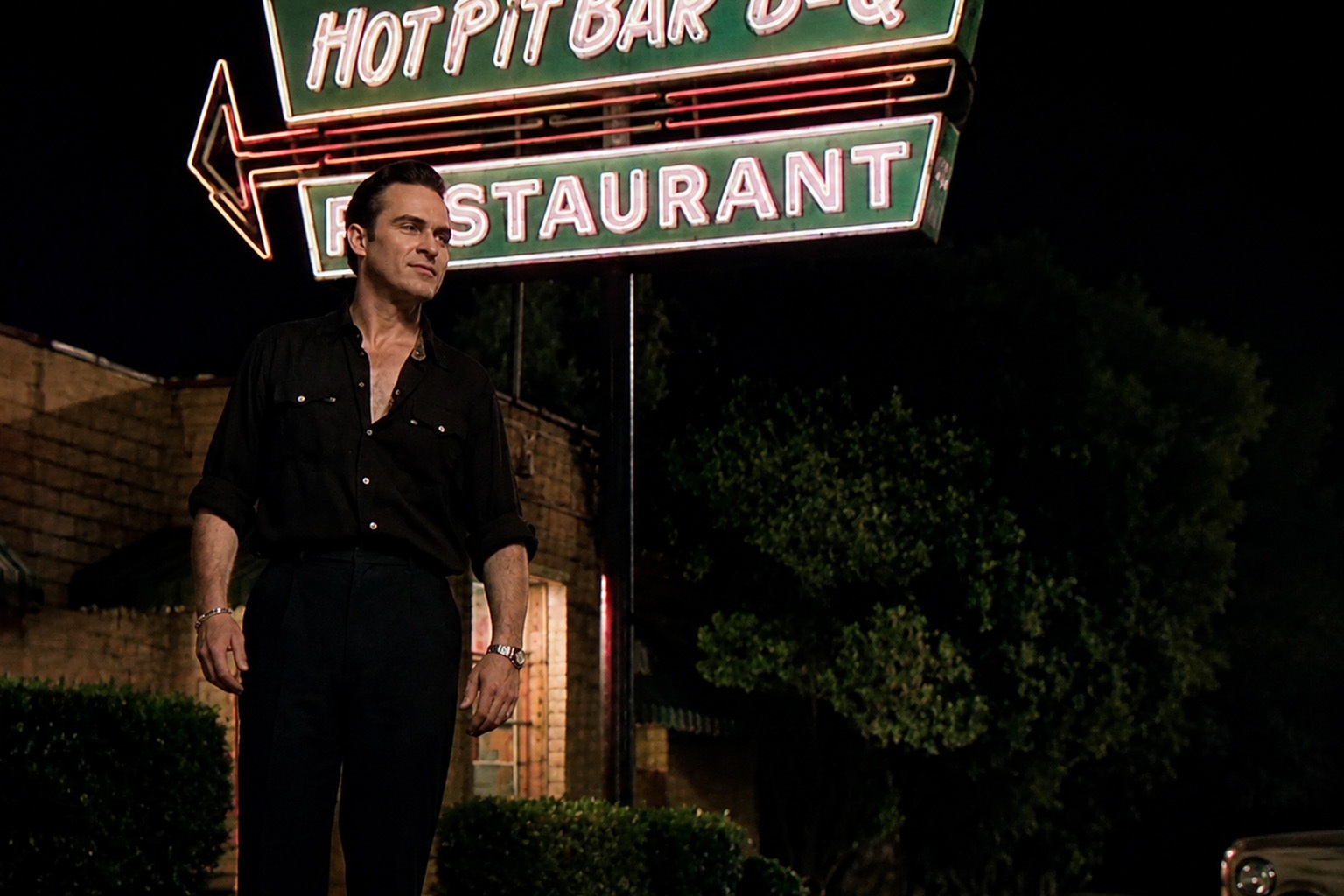
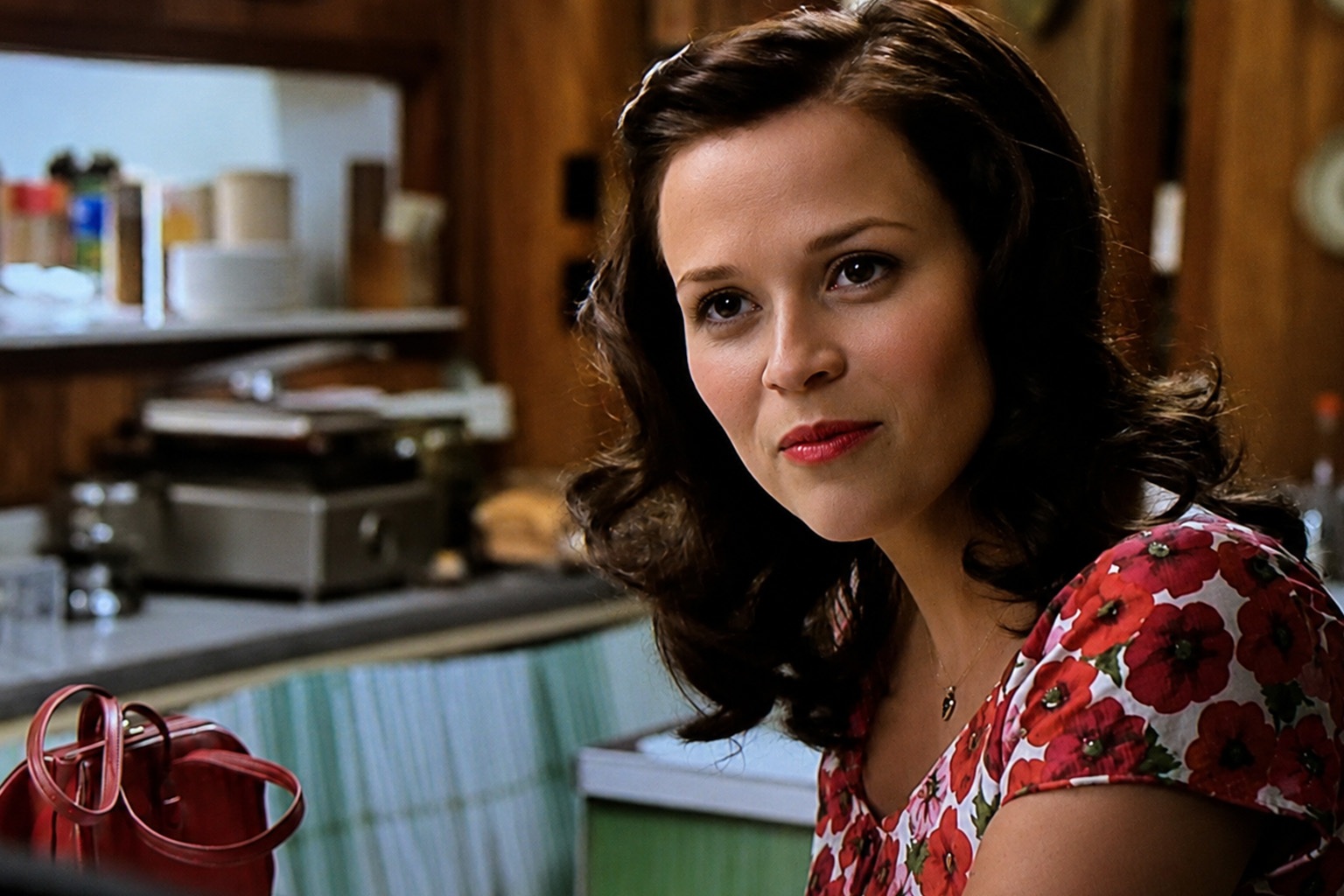
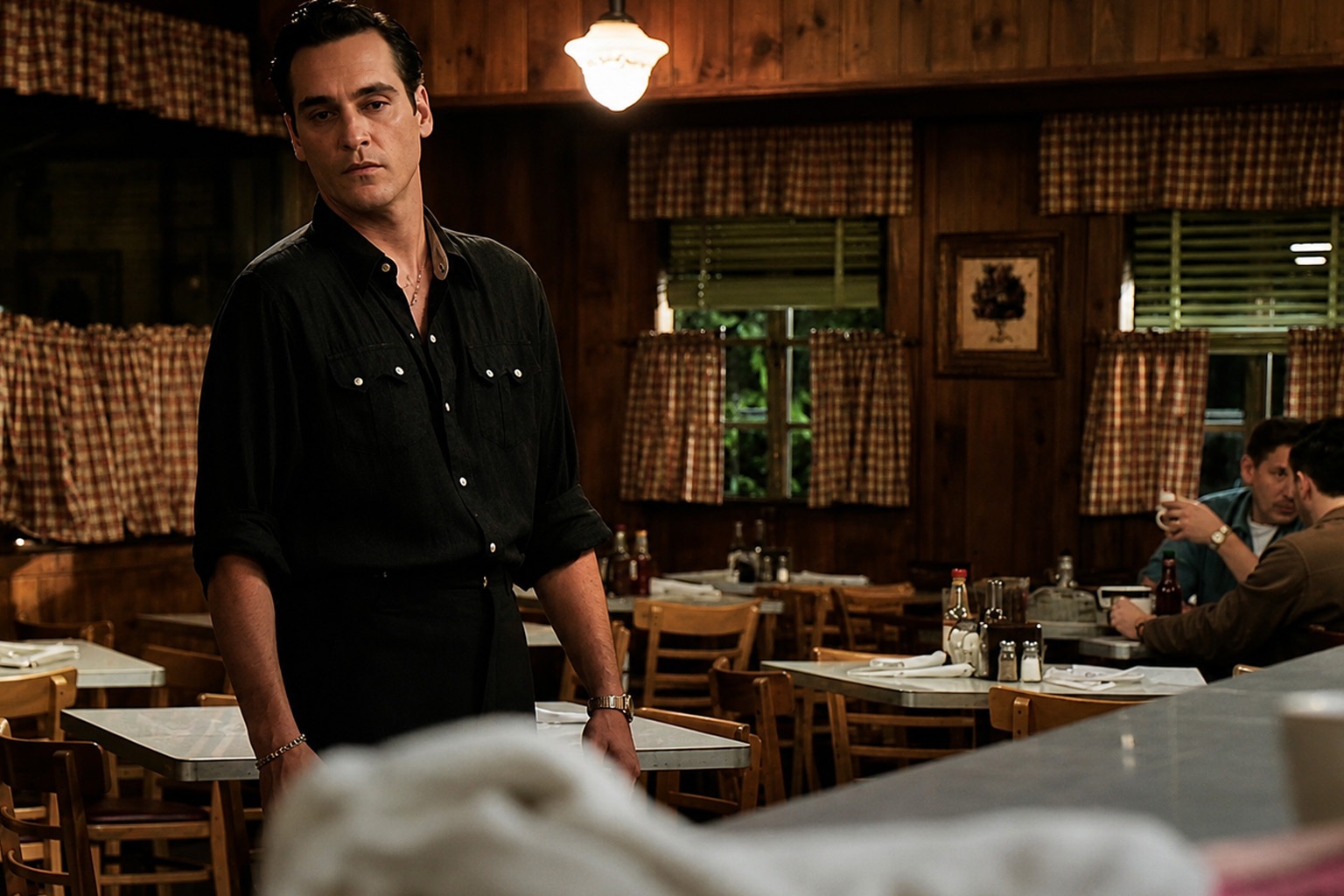
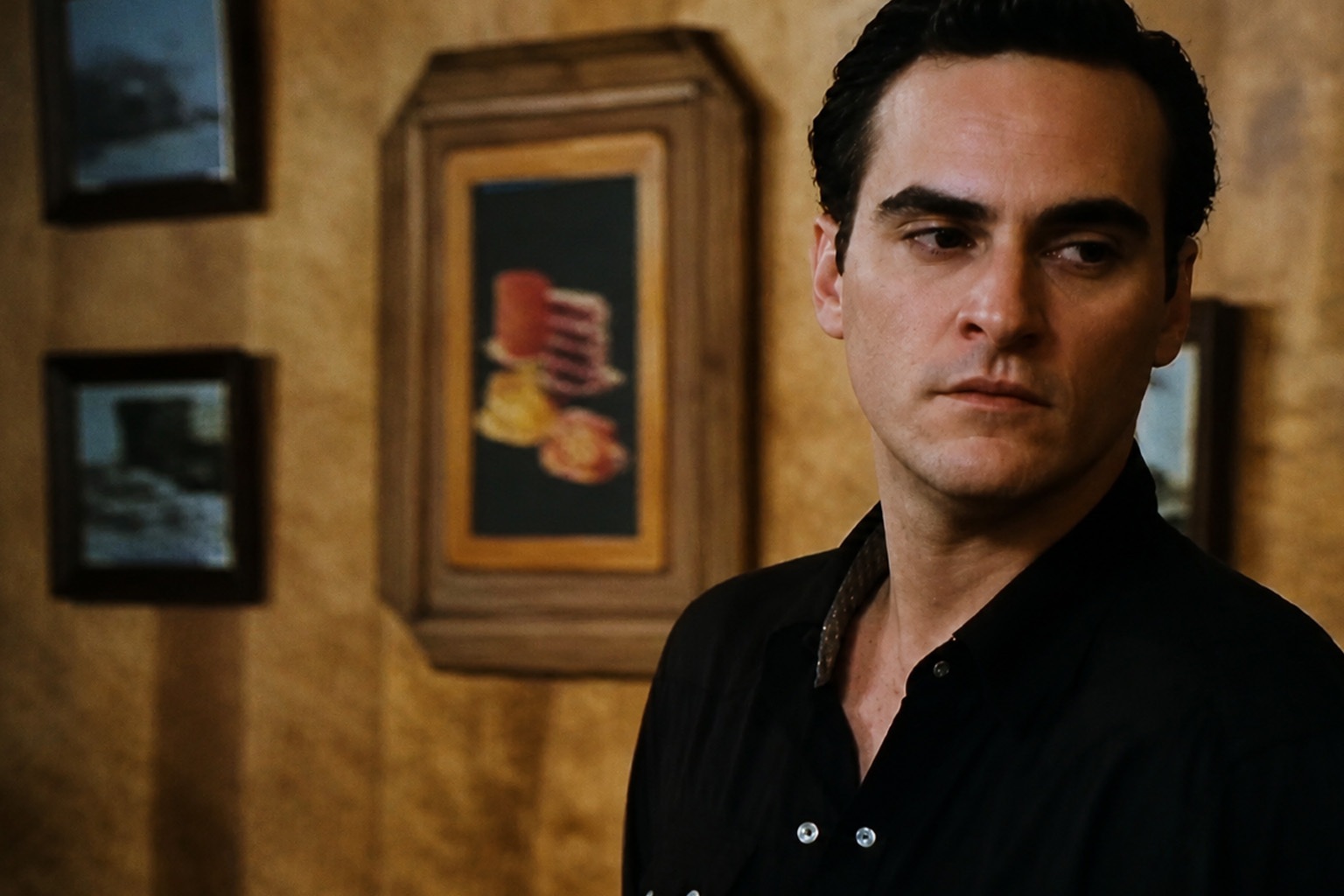
Joaquin Phoenix as Johnny Cash and Reese Witherspoon as June Carter filmed a diner scene at Bozo’s for the 2005 movie “Walk the Line.”
Bozo’s later received a little Hollywood exposure when it appeared in “Walk the Line,” the 2005 movie about Johnny Cash. The scene filmed at Bozoz occurs about 47 minutes into the extended version of the movie.
In 1982, a Memphis businessman approached members of the Williams family about opening a Bozo’s restaurant on Beale Street. The family declined but decided the request demonstrated the need to protect the restaurant’s name. The Williams Restaurant Corp. applied to register “Bozo’s” as a federal service mark for restaurant services.
That decision unexpectedly brought the family face to face with one of America’s best-known clowns.
Bozo the Clown
Bozo the Clown originated with Capitol Records executive Alan W. Livingston (1917-2009), who later became president of the company and played an important role in signing the Beatles to Capitol.
In 1946, Livingston created “Bozo at the Circus,” an illustrated read-along book packaged with a phonograph record. Children could listen to voice actor Pinto Colvig (1892-1967) read the story while following along in the book.
Colvig was already well known within the entertainment industry as the original voice of Goofy, the character created by Walt Disney (1901-1966). Music for the Bozo record was composed and arranged by Billy May (1916-2004). The combination of the book, recording and colorful clown character became a major success for Capitol’s children’s-record division.1
Images and audio from the original 1946 “Bozo at the Circus,” featuring Pinto Colvig as Bozo. Written and produced by Alan Livingston, with music by Billy May.
Larry Harmon (1925-2008) was among the performers who portrayed Bozo during promotional appearances. In the late 1950s, Harmon acquired the licensing rights to the character and transformed Bozo into an international entertainment brand.
Instead of relying on a single national television program, Harmon licensed local stations to produce their own Bozo shows using actors in approved costumes and makeup. The strategy created different Bozos in television markets across the United States and in other countries.
One of those performers was Willard Scott (1934-2021), who played Bozo on WRC-TV in Washington, D.C., from 1959 to 1962. Scott later became famous as the longtime weatherman on NBC’s “Today” show and as the original television performer of Ronald McDonald.6

A selection of original Bozo the Clown merchandise.
When television licensing, merchandise and personal appearances were combined, Bozo became more of a cash cow than a clown.
Harmon had spent decades building and protecting the Bozo brand. He was not about to ignore a Tennessee barbecue restaurant seeking federal protection for the same name.
Bozo vs. Bozo
Strictly speaking, Bozo’s was not sued for trademark infringement. Larry Harmon Pictures Corp. filed an opposition to the restaurant’s application with the U.S. Patent and Trademark Office’s Trademark Trial and Appeal Board.
The legal question was not whether customers might confuse a barbecue restaurant with a television clown. Harmon’s company argued that Bozo’s was a local, single-location restaurant that did not conduct enough interstate business to qualify for federal registration under the Lanham Act.
The restaurant countered that it regularly served customers from outside Tennessee. It was close enough to Memphis to attract customers from a metropolitan area extending into Arkansas and Mississippi, and it had been mentioned in publications around the country.
In January 1989, the Trademark Trial and Appeal Board granted summary judgment to the Williams Restaurant Corp. and dismissed Harmon’s opposition.
Harmon appealed to the U.S. Court of Appeals for the Federal Circuit. He argued that a single-location restaurant should have to meet a more demanding standard before receiving a federal service mark. Among the suggested requirements were that the restaurant be located along an interstate highway, serve at least half its meals to interstate travelers or regularly advertise outside its home state.
Over the years, plenty of clowns have appeared before the United States Supreme Court. But now the Court has been asked to hear what could be called Bozo v. Bozo, a case pitting the “world’s most famous clown” against what some say is Tennessee’s best barbecue.
David Margolick, The New York Times
The appeals court rejected those proposed restrictions. In its March 27, 1991, decision, the court held that serving customers who had traveled across state lines was enough to satisfy the Lanham Act’s “use in commerce” requirement. The court affirmed the Trademark Trial and Appeal Board’s ruling in favor of Bozo’s.2

“Bozo vs. Bozo” in The New York Times, Aug. 2, 1991.
The New York Times described the dispute in an article titled “In Court, a Bitter Duel for the Right to Be a Bozo.” Harmon’s attorneys warned that allowing a modest local restaurant to receive a national registration could encourage countless small businesses to seek federal protection and further complicate the process of finding an unused name.
The restaurant’s legal team argued that any business operating within the broad reach of Congress’ power to regulate interstate commerce could qualify for federal registration.
Harmon’s side also reportedly suggested that few people traveled very far to eat at Bozo’s because the food was “not all that good.”3
Those are fightin’ words in West Tennessee.
And the Winner Was …
Harmon asked the U.S. Supreme Court to review the appeals court’s decision. On Oct. 7, 1991, the Supreme Court denied his petition without comment.
The Supreme Court did not issue a ruling on the merits of the dispute. By declining to hear the case, however, it left the Federal Circuit’s decision in place and ended Harmon’s challenge to the restaurant’s federal registration.4

An updated logo for Bozo’s Hot Pit Bar-B-Q.
The decision became more than a colorful footnote in restaurant history. “Larry Harmon Pictures Corp. v. Williams Restaurant Corp.” is still cited in discussions of how much interstate activity a single-location business must demonstrate to register a service mark under federal law.
The story took another turn in the late 1990s. West Tennessee native Isaac Tigrett, co-founder of Hard Rock Cafe and founder of House of Blues, obtained a license to develop a national restaurant and entertainment concept based on the Bozo’s name.
Tigrett envisioned a large, merchandise-heavy barbecue restaurant filled with roadside Americana and carnival-style attractions. He reportedly spent about $750,000 developing the concept, logos, financial projections and possible merchandise. By 2007, however, he was looking for someone else to purchase and launch the project. There is no indication that one of the proposed restaurants ever opened.5
The original Bozo’s changed ownership in 1999 and again in 2008. Livingston, Colvig, Harmon and Scott are gone, and Bozo the Clown no longer occupies the place in American children’s culture that he once did. Most children today are probably more familiar with Ronald McDonald or Krusty the Clown.
But there is still one place where the name Bozo remains popular. And they serve one heck of a good barbecue sandwich.
For more of my genealogy research, visit rscottwilliams.info.
Update: I am told that in 2023, descendants of the Williams family returned to the business as owners and managers, bringing the restaurant back into the family a century after Bozo Williams opened his first little barbecue stand.
Notes:
- Dennis McLellan, “Alan W. Livingston Dies at 91; Former President of Capitol Records,” Los Angeles Times, March 14, 2009; Television Academy, “Performer Larry Harmon Dies,” July 6, 2008. ↩︎
- “Larry Harmon Pictures Corp. v. Williams Restaurant Corp.,” 929 F.2d 662, 663-66 (Fed. Cir. 1991). The court held that the restaurant’s service of interstate travelers satisfied the Lanham Act’s use-in-commerce requirement. ↩︎
- David Margolick, “In Court, a Bitter Duel for the Right to Be a Bozo,” The New York Times, Aug. 2, 1991. ↩︎
- “Larry Harmon Pictures Corp. v. Williams Restaurant Corp.,” 502 U.S. 823 (1991), certiorari denied Oct. 7, 1991. ↩︎
- Lisa Jennings, “From Indian Ashram, HRC Vet Tigrett Seeks Bozo’s Sale,” Nation’s Restaurant News, Nov. 5, 2007. ↩︎


Leave a Reply