
Earlier this year, I picked up a copy of “Robert E. Lee: A Life” by humorist Roy Blount Jr. (1941-present). It looks like a great book, but so far I have only had time for a quick scan. Reading it has moved to the top of my to-do list, especially now.
Yesterday, my family and I visited Arlington National Cemetery, and I was pleasantly surprised to stumble upon Arlington House, The Robert E. Lee Memorial.
Arlington House belonged to Mary Anna Randolph Custis Lee (1807-1873), wife of Robert E. Lee (1807-1870). The house also held deep meaning for Lee. The National Park Service says the Lees’ six younger children were born at Arlington House, and the family treated the estate as home for about 30 years, even though Lee’s military career often took him elsewhere.

Source: Encyclopedia Virgina
Robert E. Lee, about age 38, appears with his son William Henry Fitzhugh Lee, about age 8, in this early daguerreotype from circa 1845.
Arlington House also depended on enslaved labor. Mary’s father, George Washington Parke Custis (1781-1857), owned more than 100 enslaved people across Arlington House and his White House and Romancoke plantations in Virginia. After Custis died in 1857, Lee became executor of the estate and manager of the enslaved people Custis’ will directed to be freed within five years. The National Park Service says Lee’s management between 1858 and 1861 brought “strife and discord” because many enslaved people believed Custis had promised immediate freedom. Lee executed the deed of manumission in December 1862.
After Custis’ death, Lee also took charge of the estate itself. He reorganized labor, repaired buildings, cleaned up the grounds, hired a new overseer and supervised the farming that took place there. He also oversaw work on the overseer’s house, the stable west of the mansion and the mansion roof.

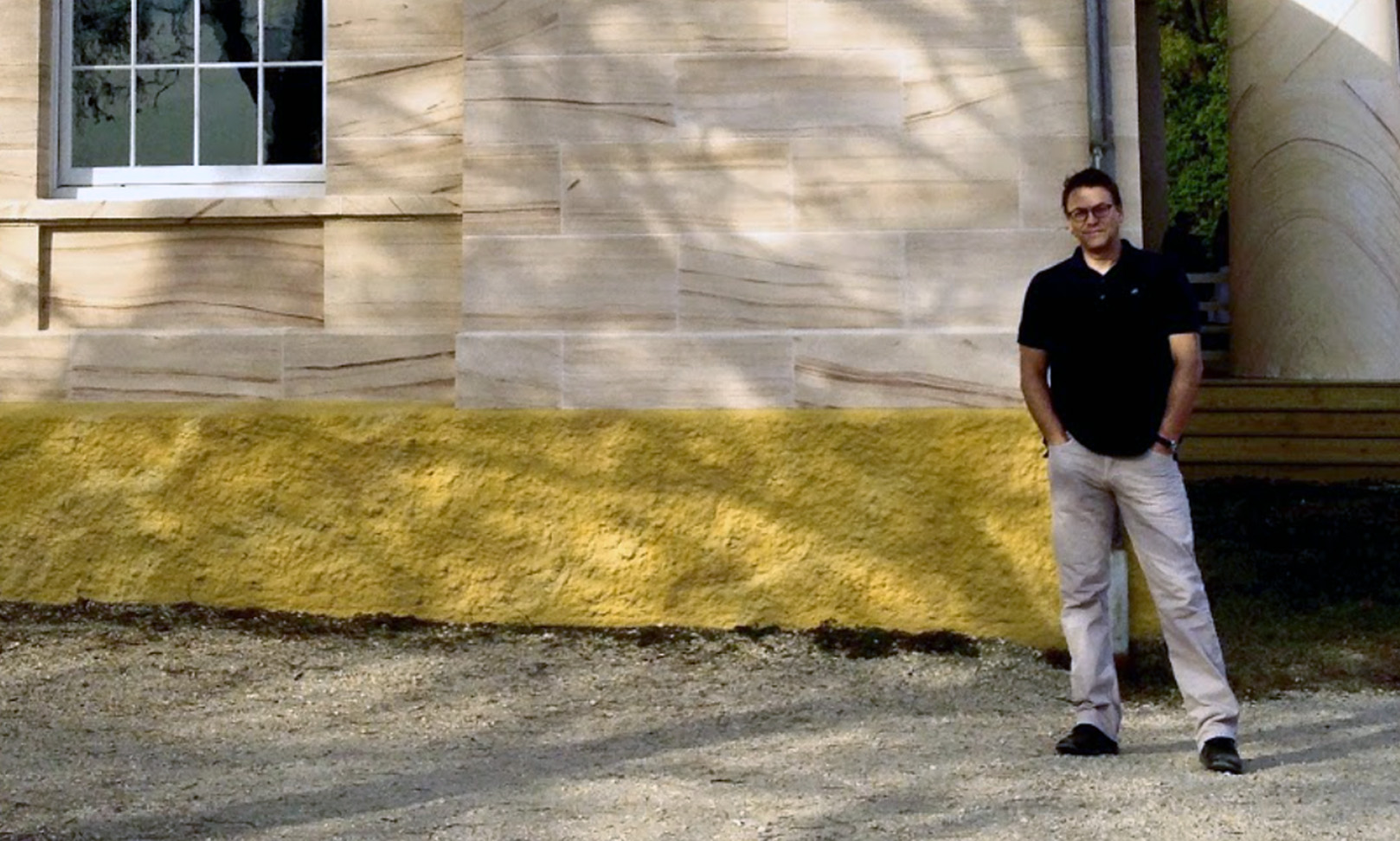
Liv and Alex at Arlington Cemetery.
One of the most important moments in Lee’s life happened at Arlington House. President Abraham Lincoln (1809-1865) offered Lee command of the U.S. Army, but Lee refused after Virginia moved toward secession. In the early hours of April 20, 1861, Lee decided to resign his U.S. Army commission. He wrote a brief resignation letter to the secretary of war and a longer letter to Gen. Winfield Scott (1786-1866). Lee gave the letters to Perry Parks, an enslaved man at Arlington, to deliver to Washington.
Lee left Arlington for Richmond on April 22, 1861, and never lived in the house again. He soon accepted command of Virginia’s military forces and later became commander of the Confederate Army of Northern Virginia.

Mary Lee delayed leaving Arlington until May 15, 1861, when she departed with her daughters and what possessions they could carry. The Union Army occupied Arlington soon afterward, and the house became headquarters for the Union Army of Northeastern Virginia. Later, the federal government used the grounds for Arlington National Cemetery.
The decision to place graves so close to the house carried both practical and symbolic weight. The federal government needed burial space during the war, but the use of the estate also made it unlikely that the Lee family could return to the home as they had known it.
Mary Lee visited Arlington a few months before her death in 1873. Her memory of the visit, preserved by the National Park Service, captures what the place had become to her:
“I rode out to my dear old home but so changed it seemed but a dream of the past—I could not have realised it was Arlington but for the few old oaks they had spared & the trees planted by the Genl and myself which are raising their tall branches to the Heaven which seems to smile on the desecration around them.”
Arlington House is a complicated place, which is what makes it so interesting. It tells the story of the Washington, Custis and Lee families, but it also tells the story of the enslaved people who lived and worked there and whose labor made the estate possible. It stands above Washington, D.C., with one of the best views in America, but the story behind that view includes slavery, war, loss and the history of a family.
For more of my genealogy research, visit rscottwilliams.info.


Leave a Reply