

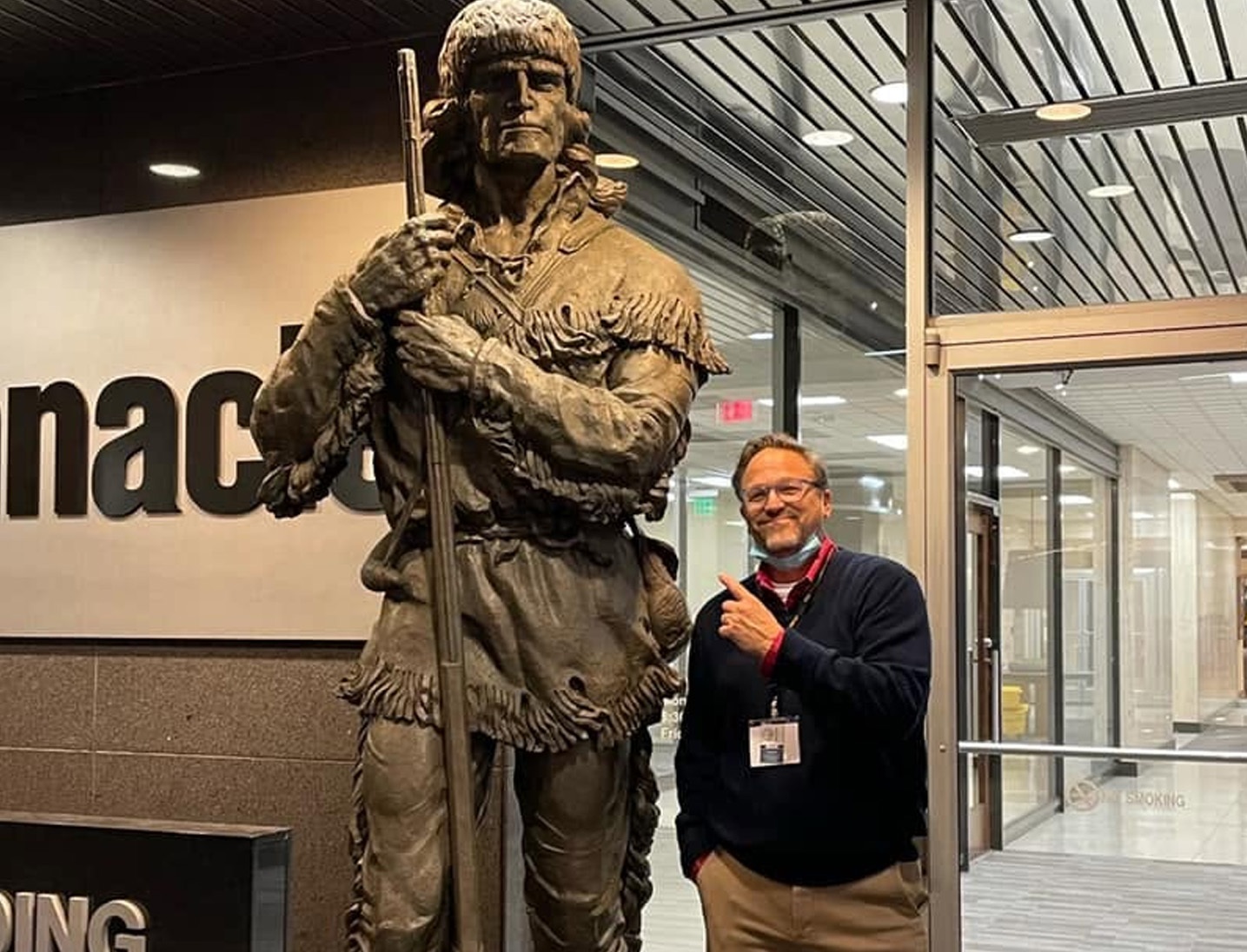
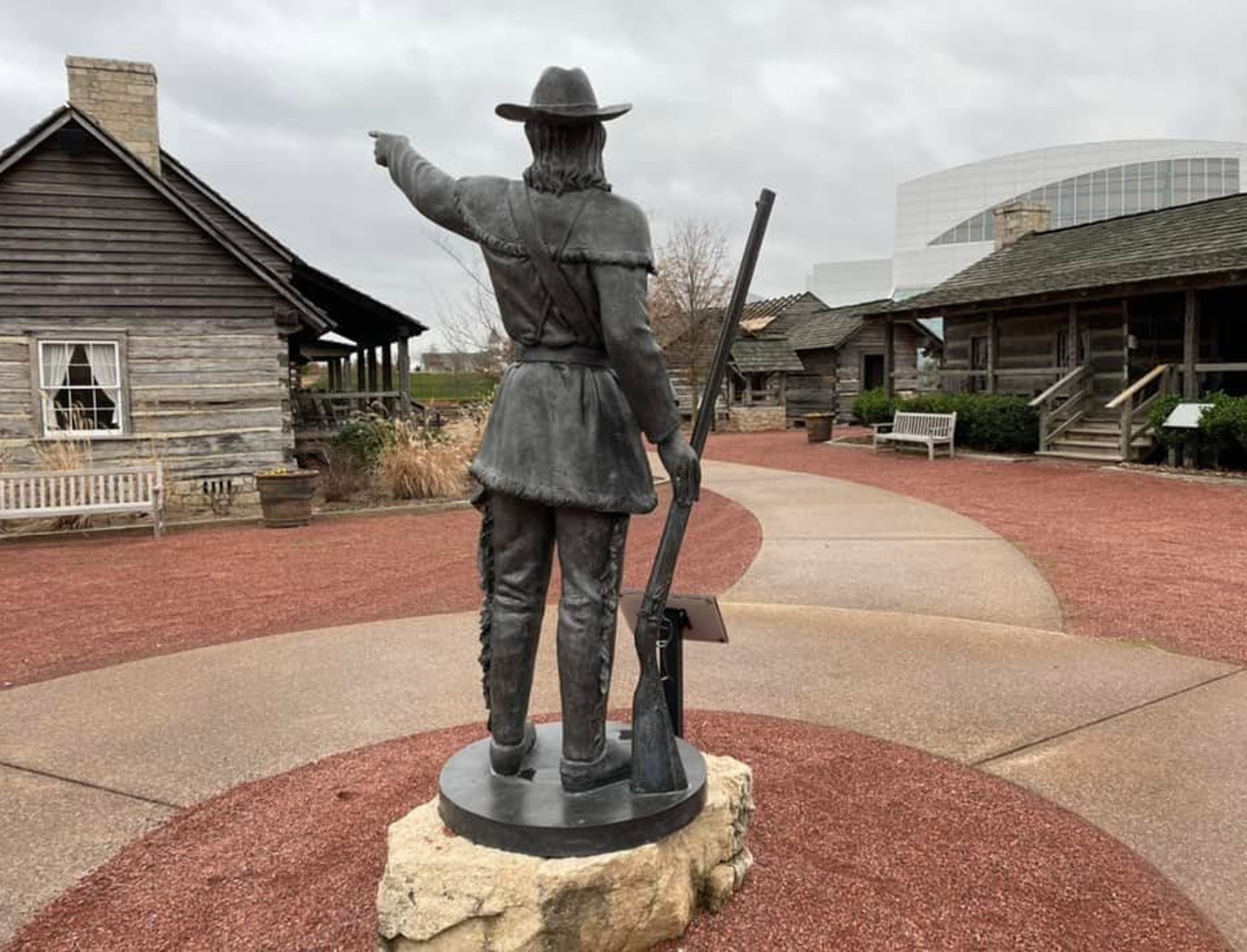
When I first moved back to West Tennessee, one of the first things at Discovery Park of America that sparked my curiosity was the statue of David Crockett. I began exploring what made this Tennessean so special that he deserved a statue. From that spark of curiosity came “The Accidental Fame and Lack of Fortune of West Tennessee’s David Crockett,” now available on Amazon.
The book follows the Tennessee congressman’s journey from the frontier to fame and, eventually, international renown. It also includes stories about many of the colorful figures in Crockett’s life and Tennessee’s early history, including James K. Polk, Sam Houston, Marcus Winchester and Andrew Jackson. Crockett and Jackson were bitter political enemies, and Jackson contributed to Crockett’s eventual defeat in Congress.
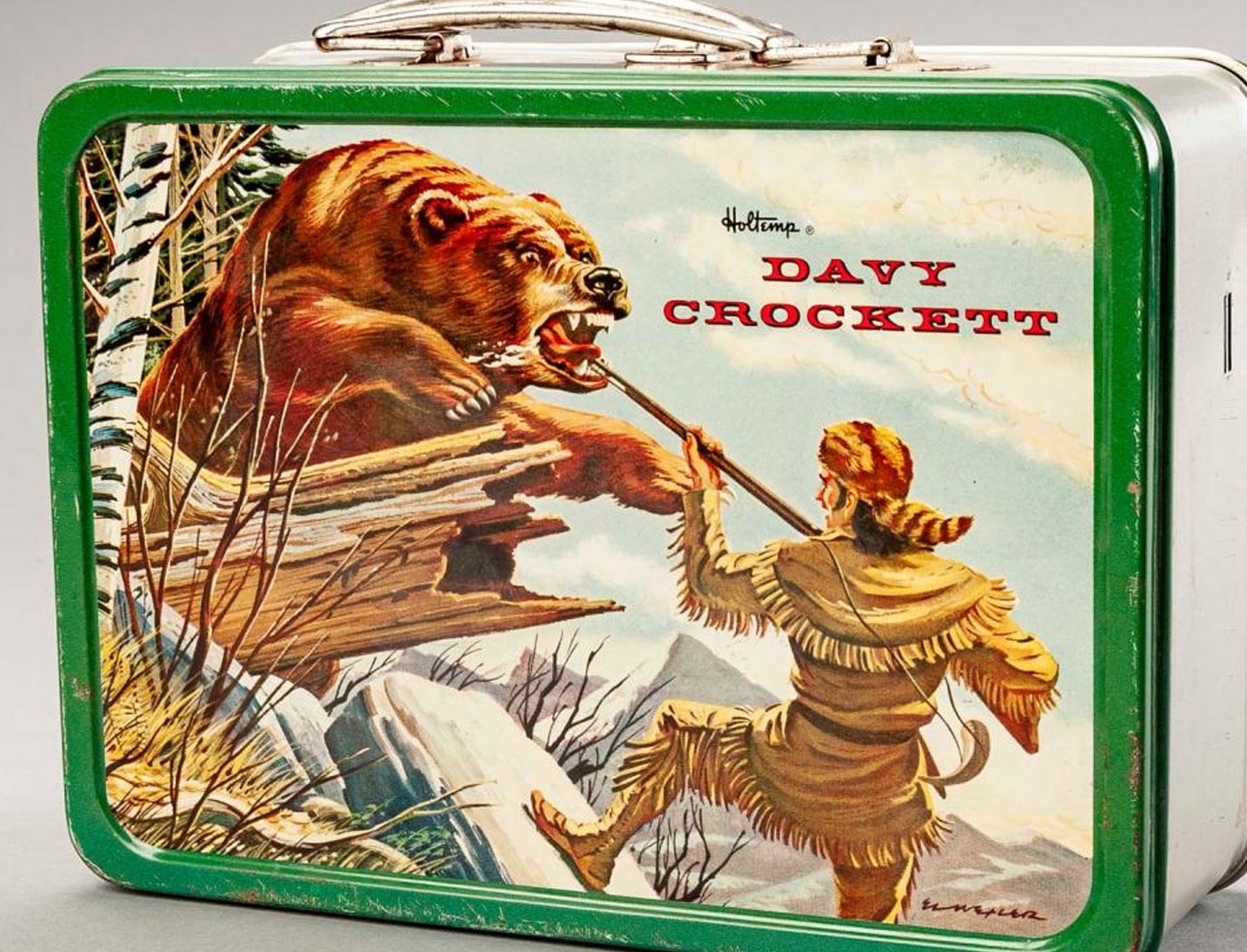
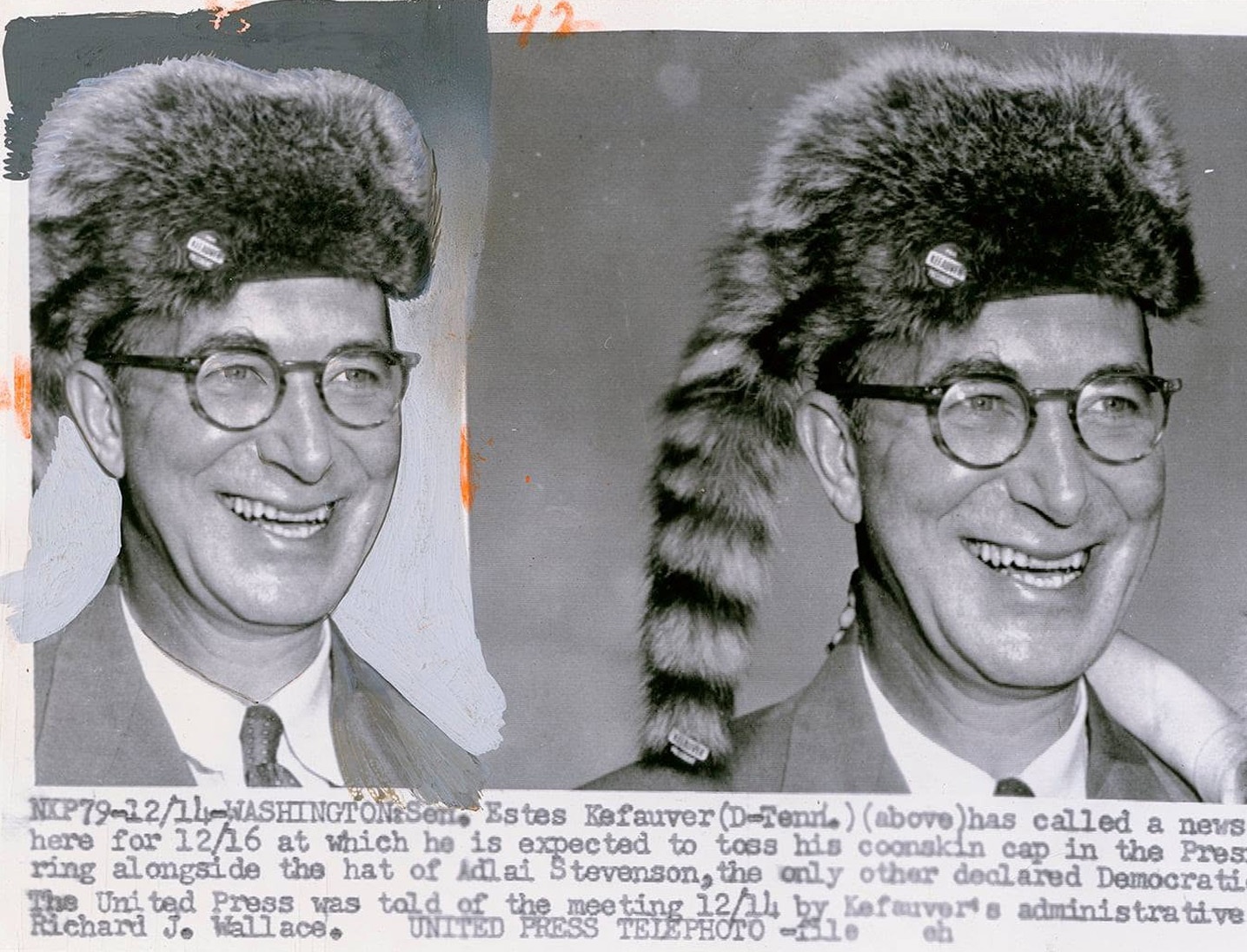
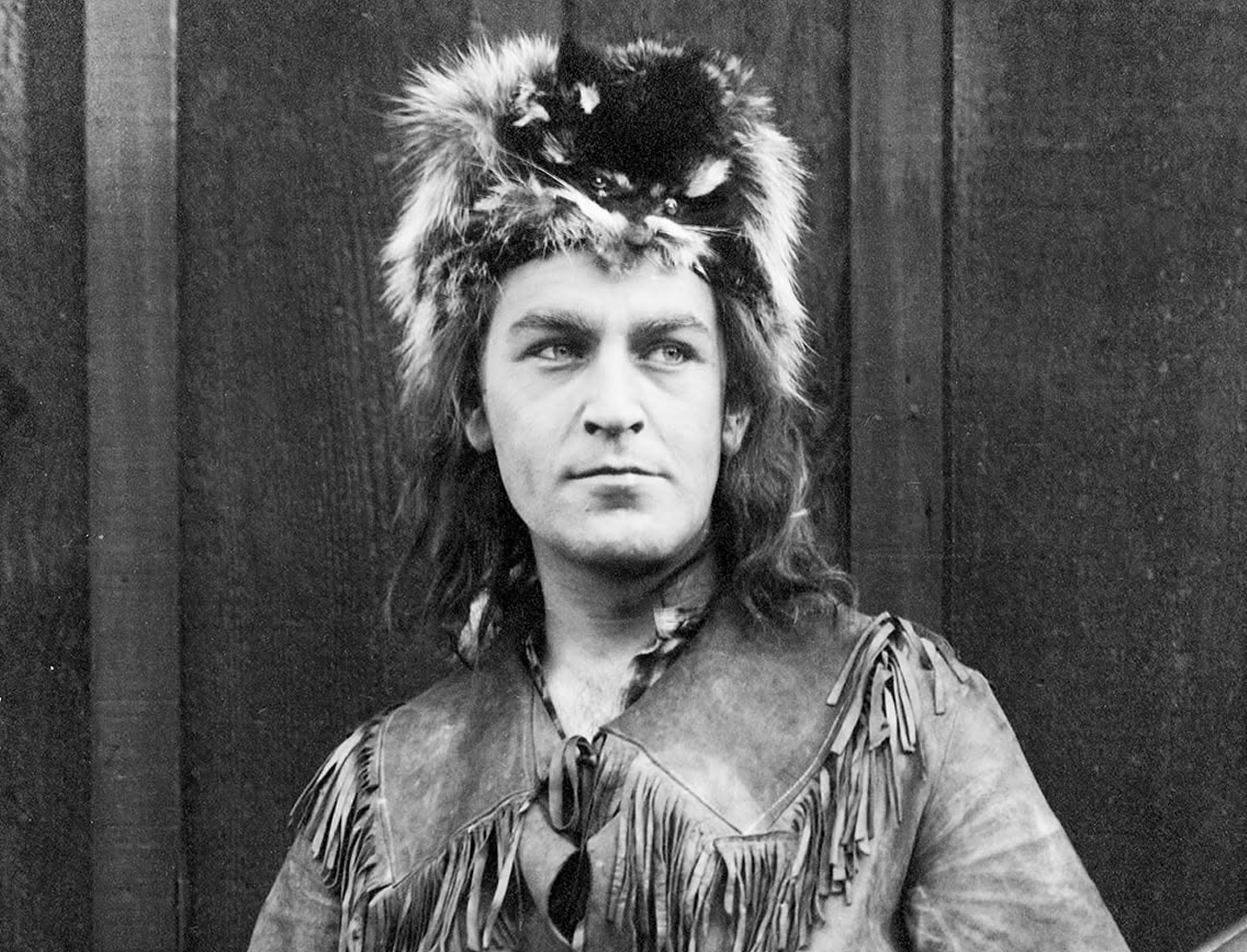
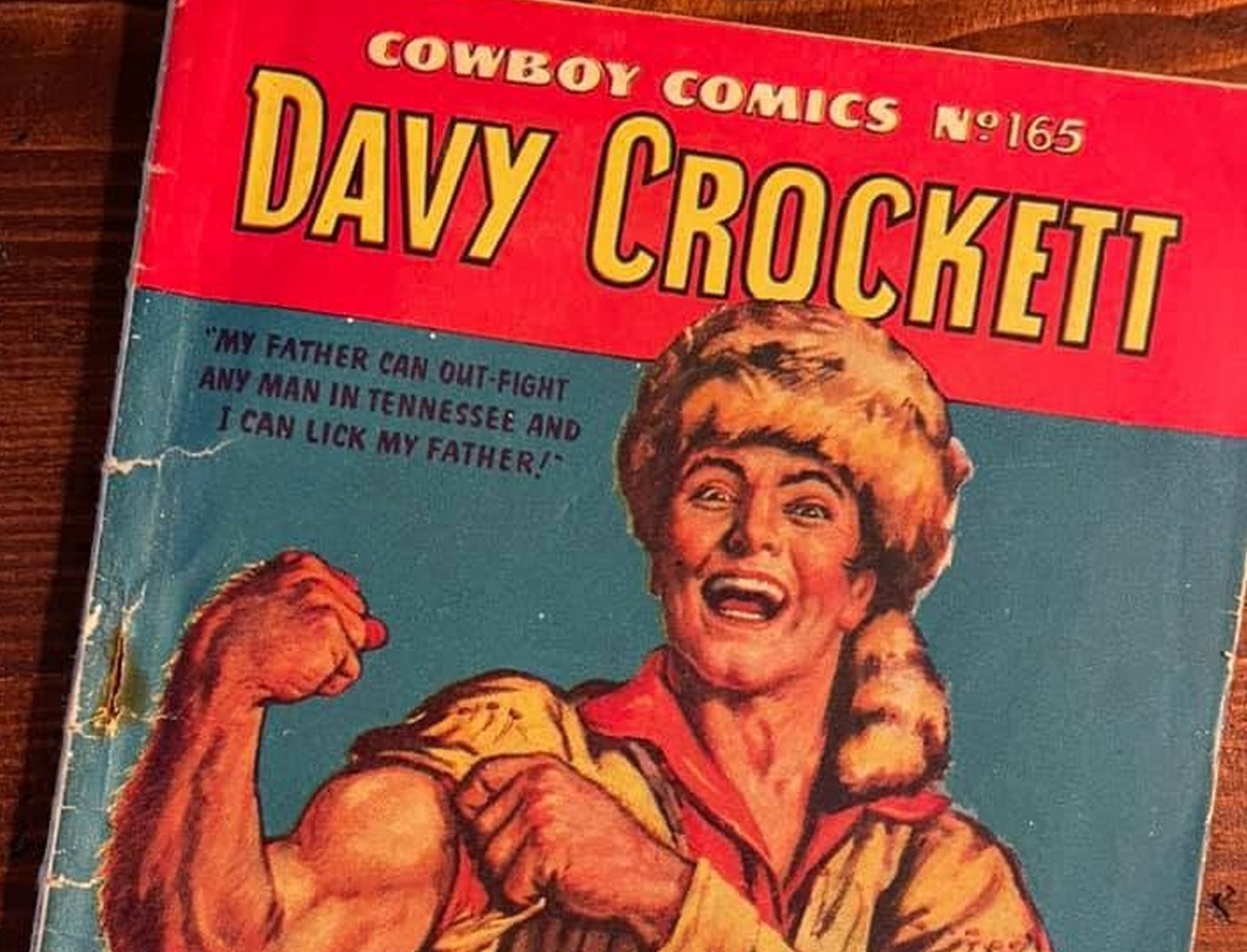
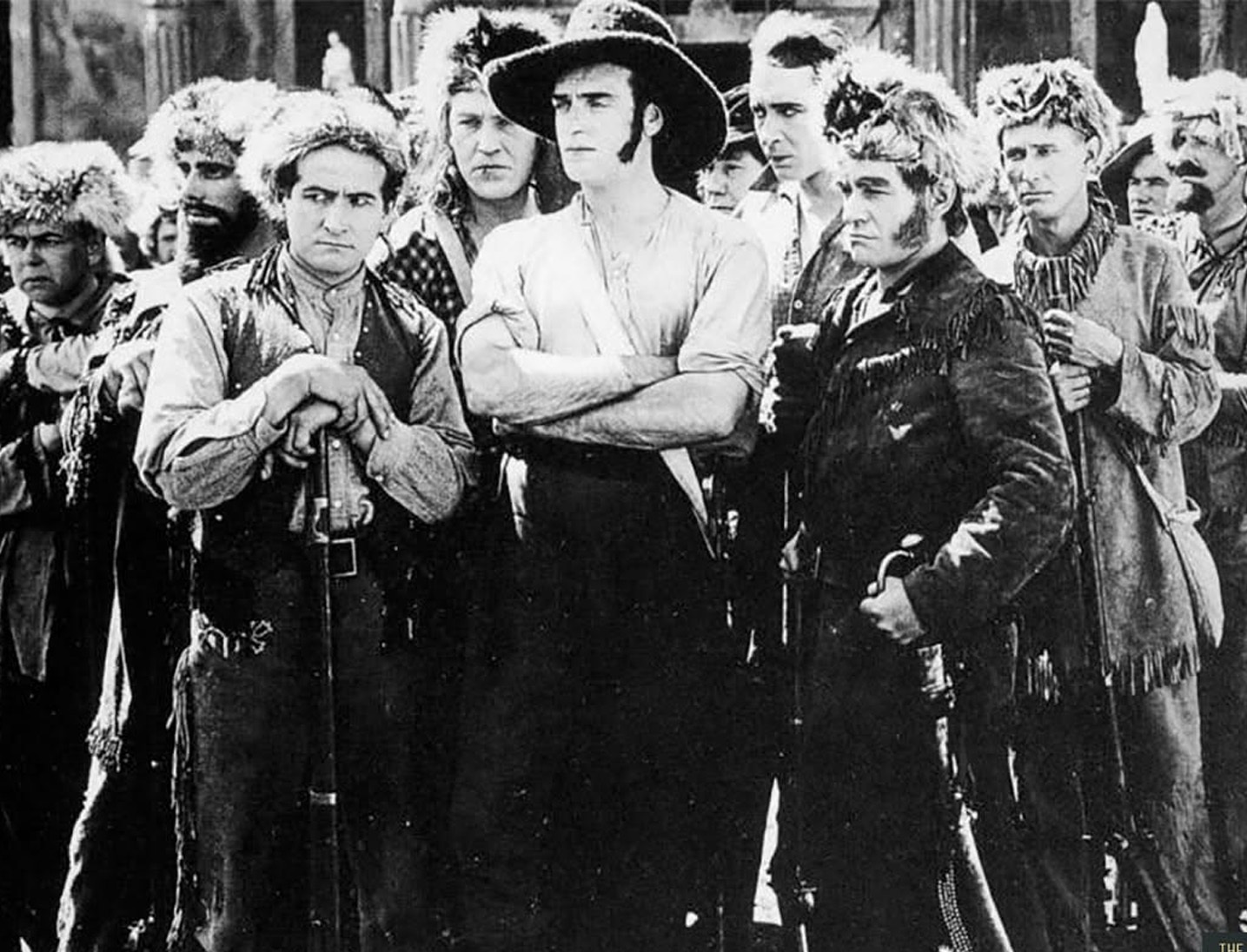

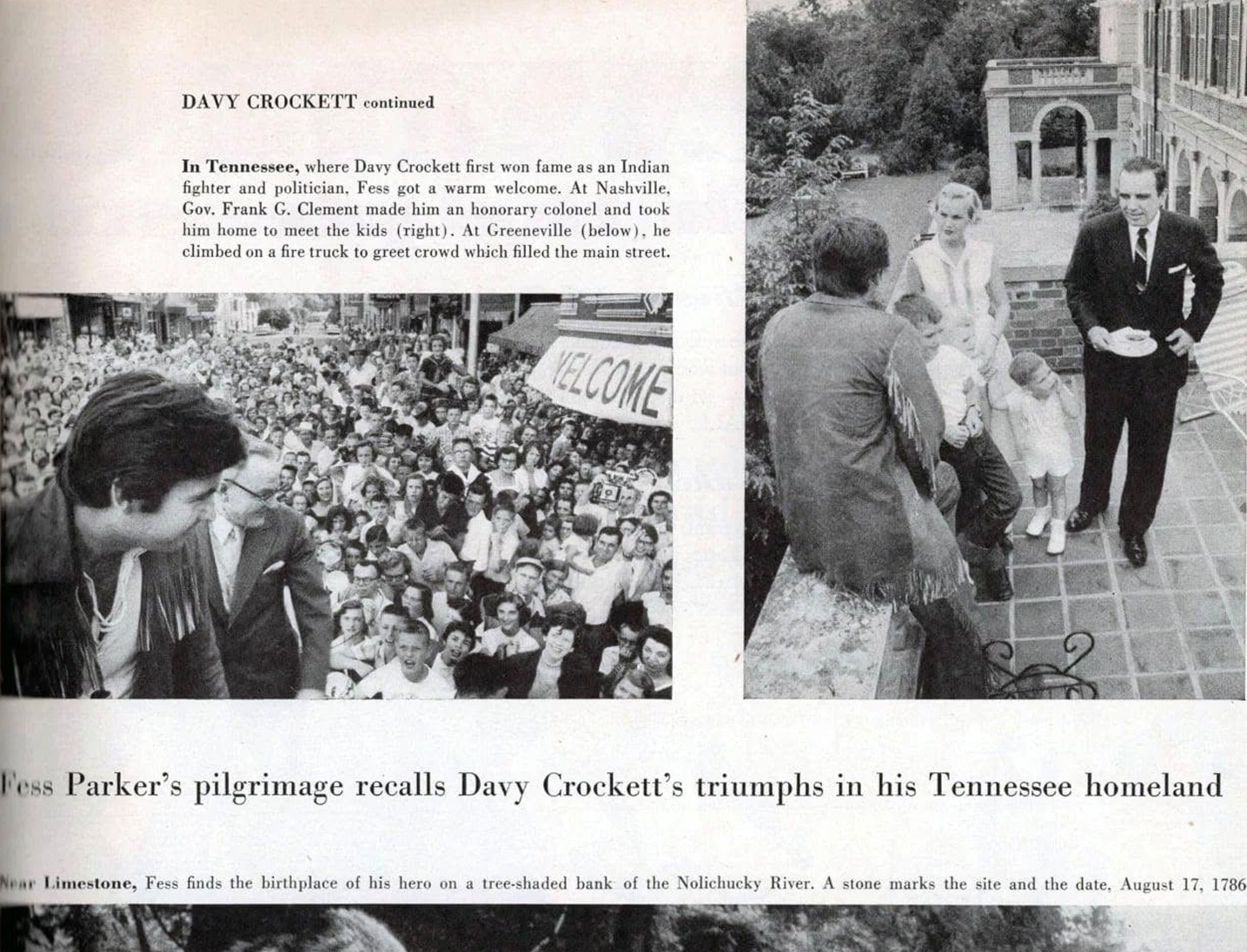
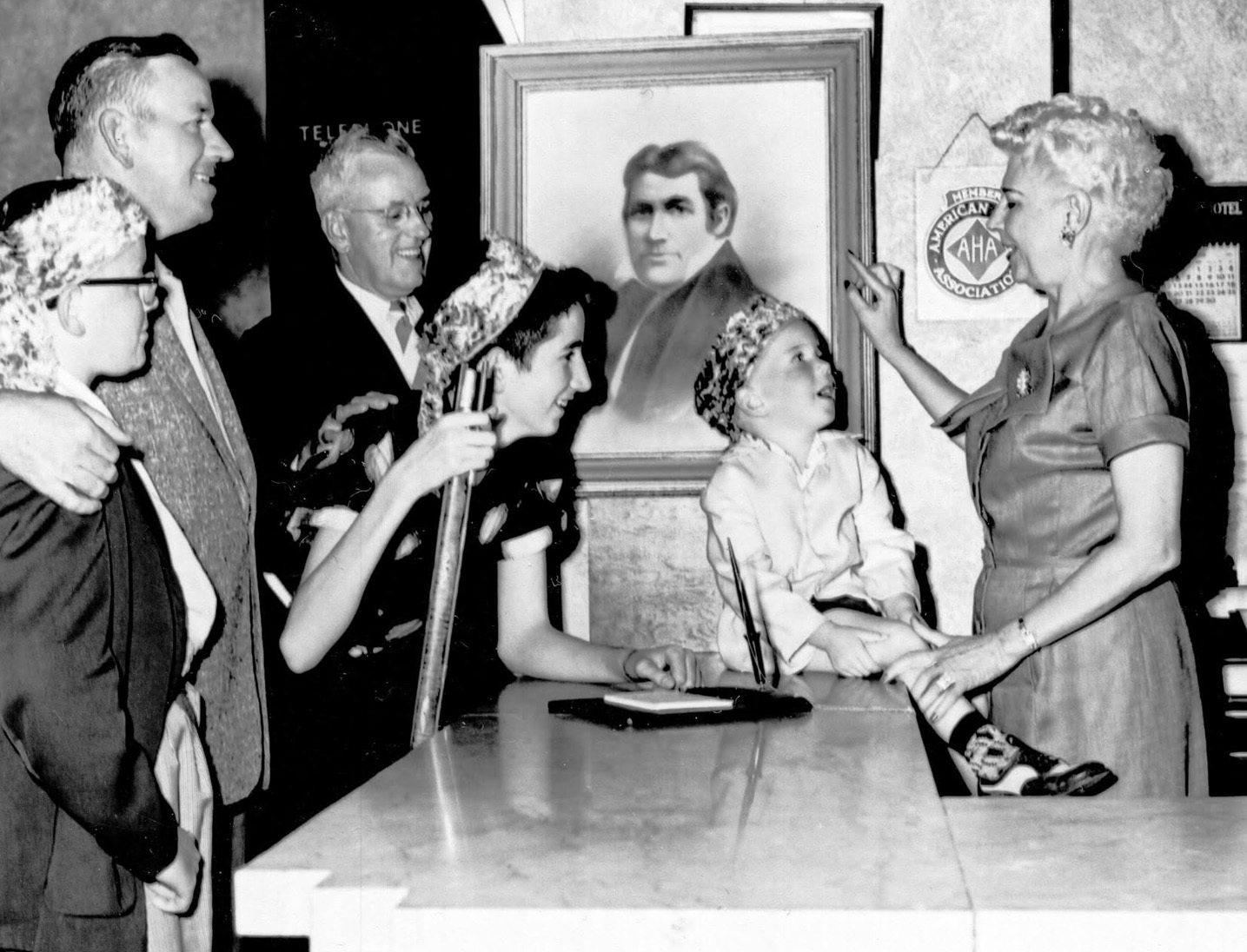
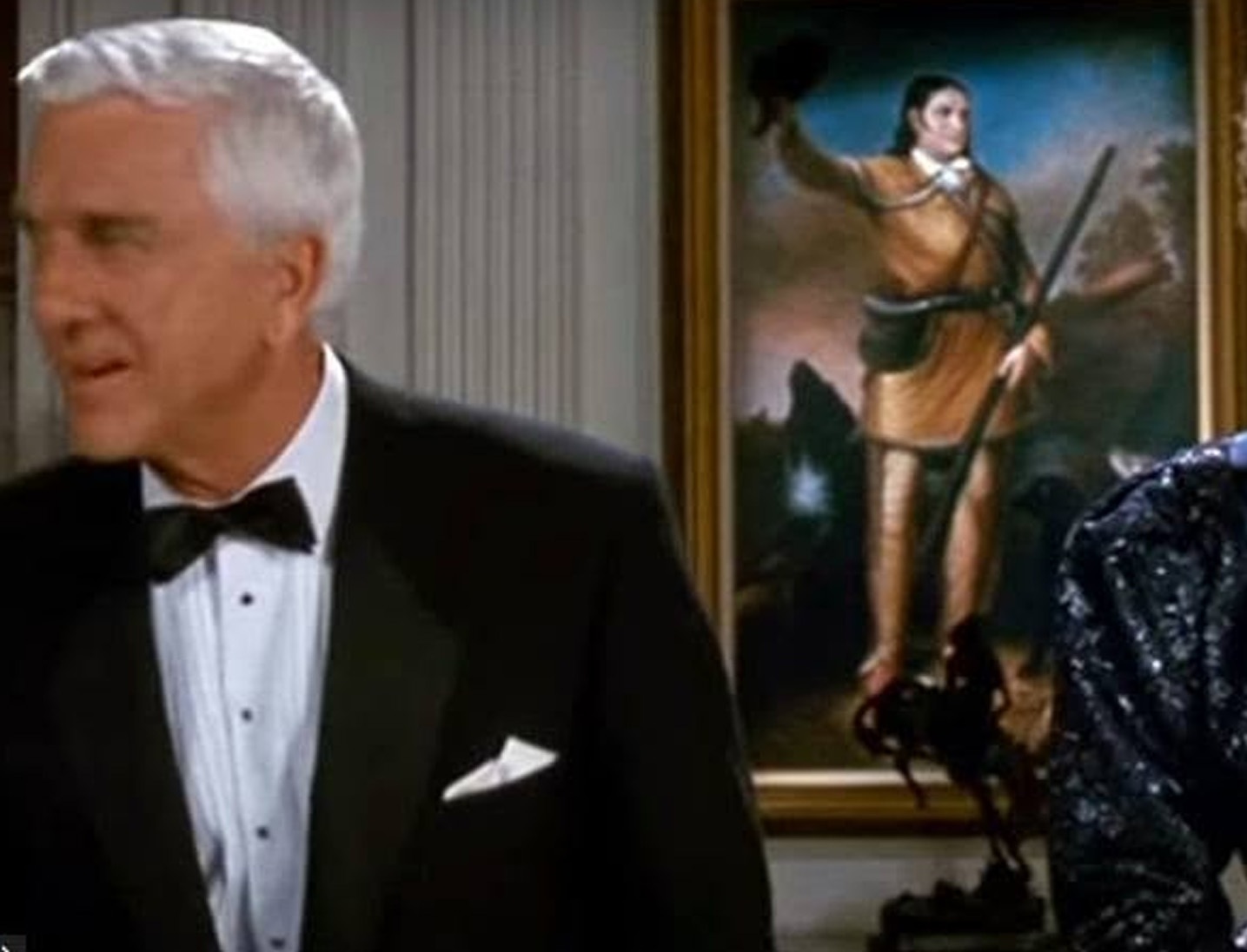
Why David and not Davy? Regardless of the many Davys in popular culture, the name Crockett used during his lifetime was David. “Davy Crockett” was most often the moniker adopted by those who used his name and image after his death. Because this book is about the real man and how his fame grew through the decades, I chose to call him David.
Also, wasn’t Davy Crockett from East Tennessee rather than West Tennessee?
Crockett served in the Tennessee General Assembly from 1821 to 1824 and later represented West Tennessee counties in the U.S. House of Representatives from 1827 to 1831 and again from 1833 to 1835. He represented settlers making their homes in Carroll, Dyer, Fayette, Gibson, Hardeman, Hardin, Haywood, Henderson, Henry, Lawrence, Madison, McNairy, Obion, Perry, Shelby, Tipton, Wayne and Weakley counties.
Because my interest lies in Tennessee history, which played a crucial role in antebellum America and westward expansion, readers will find that I wrote the book from that perspective. I believe people will find the real story of Crockett fascinating and relevant no matter where they live.
Crockett was both literally and symbolically a “common man,” and that role became increasingly important as the country’s political power shifted away from educated Eastern elites and toward working-class Americans. He also blazed a trail as an exciting new type of American who fascinated early media and entertainment audiences. He made people curious about what could be found down the river or just beyond the next mountain, and that popularity brought him a level of fame few Americans had experienced at the time.
During his lifetime, Crockett, or characters inspired by him, appeared in nearly every form of artistic expression available during the early decades of the 19th century, including books, plays, songs, paintings and woodcut illustrations. Newspaper editors discovered that stories about him — including copied, reprinted and sometimes fabricated accounts — sold newspapers and magazines. As a result, he became a frequent subject of both real and fake news.
This is not a chronological biography of David Crockett. My purpose is to explore the culture, both in Tennessee and across the nation, that fueled his unlikely rise from an uneducated frontiersman to a world-famous icon. Because my ancestors settled in the state around the time Tennessee entered the Union, I also included considerable detail about the world they inhabited as settlers cleared forests and built communities in a wilderness that had long served as Native American hunting land.
Today, I know exactly why that Tennessean deserves a statue at Discovery Park. I hope you have as much fun reading about David Crockett as I had writing the book. You can buy it now on Amazon or learn more by clicking the link at the bottom of this page.
For more of my genealogy research, visit rscottwilliams.info.


Leave a Reply